The Resurgence of the Outback: How Penny Lane is Dead Revitalizes the Ozploitation Legacy

In the landscape of contemporary horror, few subgenres possess the visceral, sun-drenched, and unapologetically abrasive DNA of "Ozploitation." While the term might sound like a niche academic curiosity, its influence is seismic, pulsing through the veins of modern cinema from the high-concept terror of the Saw franchise to the grimy, DIY aesthetics of today’s indie darlings. At the center of this conversation is Shudder’s latest breakout, Penny Lane is Dead, a film that manages the rare feat of serving as both a loving homage to the grindhouse glory of the 1970s and a subversive, modern queer love story.
As Penny Lane is Dead marks the return of this dormant genre to the mainstream, it invites a deeper exploration of why the Australian outback—a place of beauty and desolation—remains one of the most potent backdrops for human depravity and cinematic innovation.
The Anatomy of a Massacre: Penny Lane is Dead
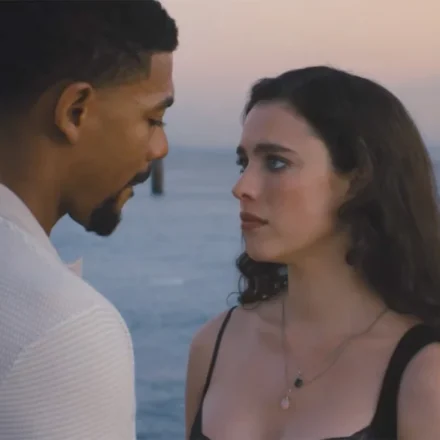
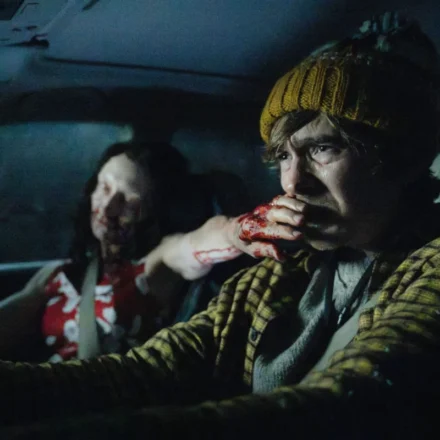
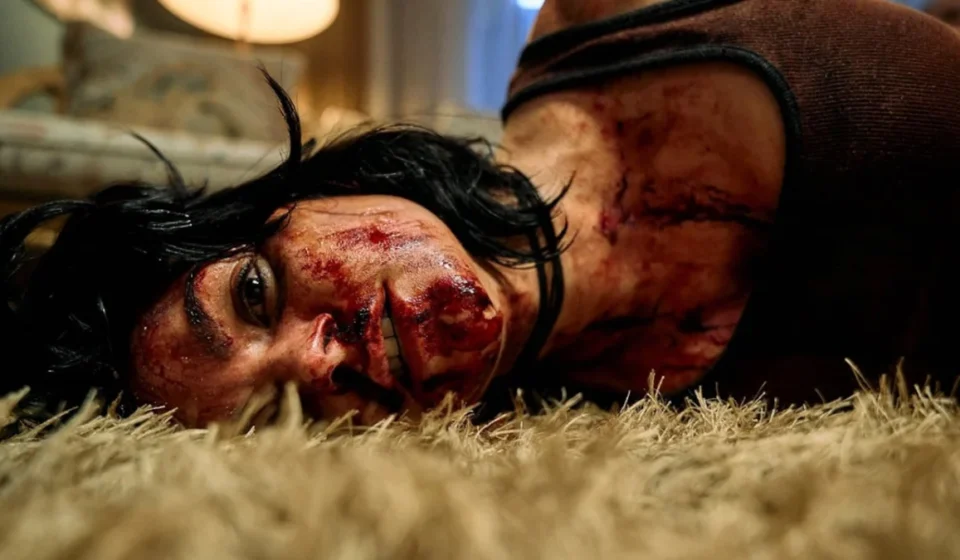
Penny Lane is Dead begins with a deceptive sense of normalcy: a youthful party celebrating a protagonist’s acceptance into university. It is the quintessential coming-of-age setup, only to pivot violently into a blood-soaked, corpse-strewn catastrophe of criminal carnage. Director Mia-kate Russell has crafted a film that feels less like a modern production and more like a unearthed relic from a 1980s VHS rental store, albeit with the technical precision of a contemporary thriller.
Beyond the gore, the film succeeds by grounding its carnage in a relatable, aspirational queer romance. By placing two individuals seeking a future against a backdrop of nihilistic violence, Russell highlights the genre’s inherent tension: the fight for life in an environment that seems hell-bent on extinguishing it. It functions perfectly as a standalone horror feature, but for those who know the history, it is a treasure trove of nods to the "maximalist mayhem" that defined the Australian New Wave.

A Chronological Odyssey: The Rise of Ozploitation
To understand the significance of Penny Lane is Dead, one must look back to the early 1970s, a period where Australia’s cultural identity underwent a radical transformation.
The Birth of a Movement (1970–1975)
The birth of Ozploitation was not merely a stylistic choice; it was a response to the introduction of the R-rating in Australia. Filmmakers were suddenly granted the freedom to explore the darker corners of human experience. John B. Murray’s 1970 mockumentary The Naked Bunyip is widely considered the genre’s "patient zero." By utilizing a sex survey as a narrative framing device, Murray pushed the boundaries of what could be shown on screen, signaling that the status quo was ripe for disruption.
The following year, Ted Kotcheff’s Wake in Fright (1971) elevated the genre from simple exploitation to a haunting psychological thriller. It captured the unforgiving, claustrophobic nature of the outback, setting a standard for "cruel killers and manic murderers" that remains unsurpassed. This era also saw Peter Weir’s Picnic at Hanging Rock (1975), which blended psychological terror with gothic sensibilities, proving that the outback was as much a character as it was a setting.
The Biker, The Martial Artist, and The Apocalypse (1975–1980)
As the 70s progressed, the genre expanded into every corner of the grindhouse spectrum. Films like Alvin Purple (sex comedy), Stone (biker gang warfare), and The Man from Hong Kong (martial arts) demonstrated the versatility of the Australian spirit. The decade concluded with George Miller’s Mad Max (1979), a post-apocalyptic fever dream that changed the trajectory of global action cinema. Its final, brutal ultimatum—giving a character a hacksaw to survive—became the foundational DNA for the Saw franchise.

The Golden Age of Creatures and Psychics (1980–1989)
The 80s were defined by high-concept horror. Brian Trenchard-Smith’s Turkey Shoot (1982) pushed the dystopian narrative, while Russell Mulcahy’s Razorback (1984) gave the world its ultimate "man vs. beast" nightmare, standing tall as Australia’s answer to Jaws. During this time, screenwriter Everett De Roche emerged as the genre’s secret architect. His scripts for Road Games, Long Weekend, and the supernatural thrillers Harlequin and Patrick infused the movement with psychic dread and dark fantasy, drawing comparisons to the early works of David Cronenberg.
Supporting Data: The Global Reach of the "Outback Killer"
The transition from local curiosity to global phenomenon is best tracked through the career of Greg McLean. His 2005 film Wolf Creek revitalized the genre for a new generation. By creating the character of Mick "The Outback Killer" Taylor, McLean tapped into a primal fear. Taylor, a figure who felt like a collision between Crocodile Dundee and Freddy Krueger, became a symbol of the Australian menace.
Wolf Creek didn’t just offer gore; it offered an identity. It coincided with the rise of the American "torture porn" era, but where films like Hostel or Wrong Turn often felt sanitized by comparison, the Australian entries felt authentic, dirty, and dangerous. The franchise’s longevity—spanning two films, a 12-episode television series, and a legacy sequel—proves that audiences are consistently drawn to the specific "sweltering desperation" of the outback.
Official Perspectives: The Philosophy of the "DIY" Aesthetic
Why does this style of filmmaking persist? The answer lies in the "DIY spirit" that defined the original movement.

As Quentin Tarantino (who famously coined the term "Aussieploitation" before Mark Hartley shortened it to the more widely accepted "Ozploitation") has noted, there is a lack of inhibition in Australian cinema. It is a philosophy of "only the strongest survive."
James Wan and Leigh Whannell, perhaps the most successful Australian exports in the modern horror landscape, have frequently credited their lean, resourceful filmmaking style to the influence of their home country’s heritage. In Malignant and Upgrade, one can see the echoes of the low-budget ingenuity that forced early directors to rely on atmosphere and tension over expensive CGI. Even Hollywood A-listers are catching on; the 2024 film The Surfer, starring Nicolas Cage, functions as a high-profile psychological thriller that unabashedly leans into the tropes, colors, and nihilistic pacing of the classic Ozploitation era.
Implications: The New Wave of Ozploitation
The release of Penny Lane is Dead is not a singular event; it is a signal of a larger trend. We are witnessing the evolution of the subgenre from a "freeing way for new filmmakers to get their foot in the door" to a respected, foundational pillar of global horror.
The implications for the industry are profound:

- International Spotlight: The success of these films continues to prove that the most innovative genre work often comes from outside the Hollywood studio system.
- Genre Fusion: Modern directors are no longer bound by the "horror-only" label. They are blending Ozploitation with character studies, queer narratives, and psychological drama, enriching the genre’s legacy.
- The Talent Pipeline: With established directors like George Miller, Jennifer Kent, and Justin Kurzel paving the way, the path for emerging voices like Mia-kate Russell is clearer than ever.
As we look toward the future, the "sweltering, sticky terror" of the outback is unlikely to dissipate. Instead, it is being refined, repurposed, and reinvigorated. Penny Lane is Dead serves as a bridge between the past and the present, reminding us that no matter how much the technology of filmmaking changes, the desire to be shocked, scared, and unsettled in the middle of a vast, unforgiving landscape remains a universal human hunger. The outback isn’t just a place; it’s a state of mind, and it is here to stay.