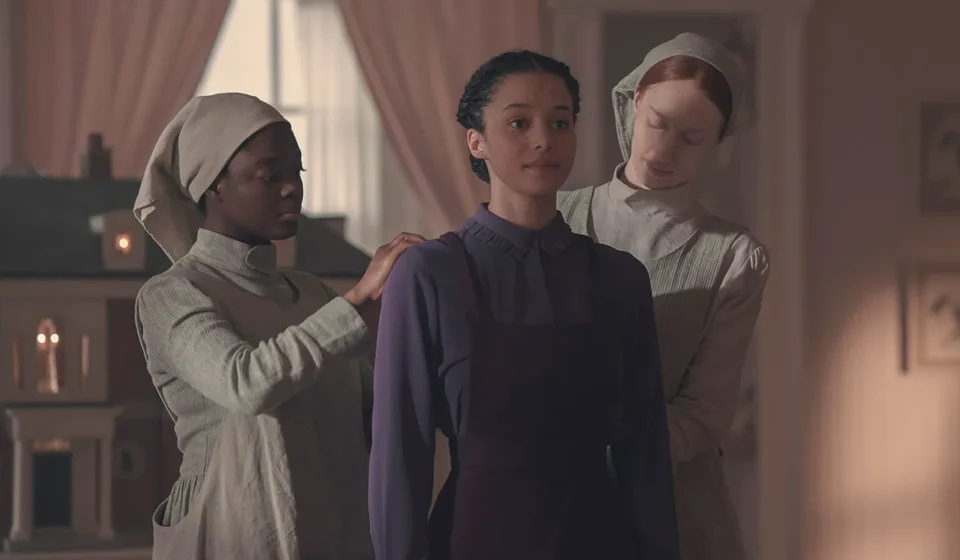

The television industry’s most prestigious night, the 78th Emmy Awards, has set the stage for a September showdown that promises to redefine the hierarchy of prestige television. Announced this morning by Emmy winners Liza Colón-Zayas and Jeff Hiller, the nominations reveal a landscape defined by the dominance of streaming titans, the decline of former juggernauts, and the emergence of unexpected breakout hits that have captivated global audiences.
As the industry pivots toward the final voting period, the 78th Emmy cycle stands as a testament to the sheer density of content currently competing for limited attention. With the awards split across three ceremonies—one for primetime categories and two for creative arts—the sheer scale of the logistical effort reflects the gargantuan output of the current Golden Age of television.
The Titans of the Nominations: HBO Max’s Commanding Lead
This year’s nomination tally confirms that HBO Max remains the gold standard for high-end production. The network’s new flagship, The Pitt, has cemented its status as a critical darling, securing a staggering 25 nominations across the drama categories. Following closely behind is the razor-sharp comedy Hacks, which achieved a historic feat by landing 24 nominations—the highest count for any comedy series in a single year.
The strength of these two shows is not merely in their total count but in their breadth. The Pitt is currently sweeping the drama acting categories, with Noah Wyle—already an Outstanding Lead Actor winner—positioned to potentially repeat his victory. Beyond the lead categories, the series’ ensemble has effectively monopolized the supporting fields, with seven different actors earning nods, underscoring the show’s immense depth of talent.
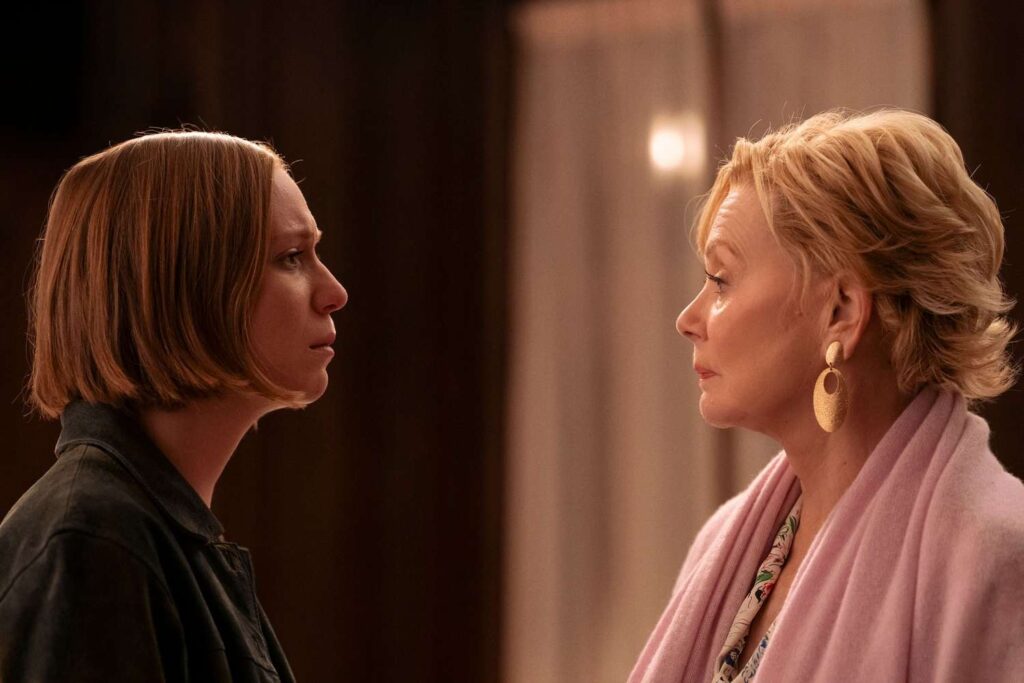
Similarly, Hacks continues to be an unstoppable force in the comedy sphere. Jean Smart, widely considered the frontrunner, is poised to secure her fifth consecutive win for her portrayal of Deborah Vance. Her co-star, Hannah Einbinder, is once again in the running for Outstanding Supporting Actress, while showrunners Paul W. Downs and Megan Stalter have also earned long-overdue recognition. The show’s dominance is further reflected in its ability to capture the Guest Actress in a Comedy category, claiming five of the seven available spots.
A Changing of the Guard: The Decline of Former Favorites
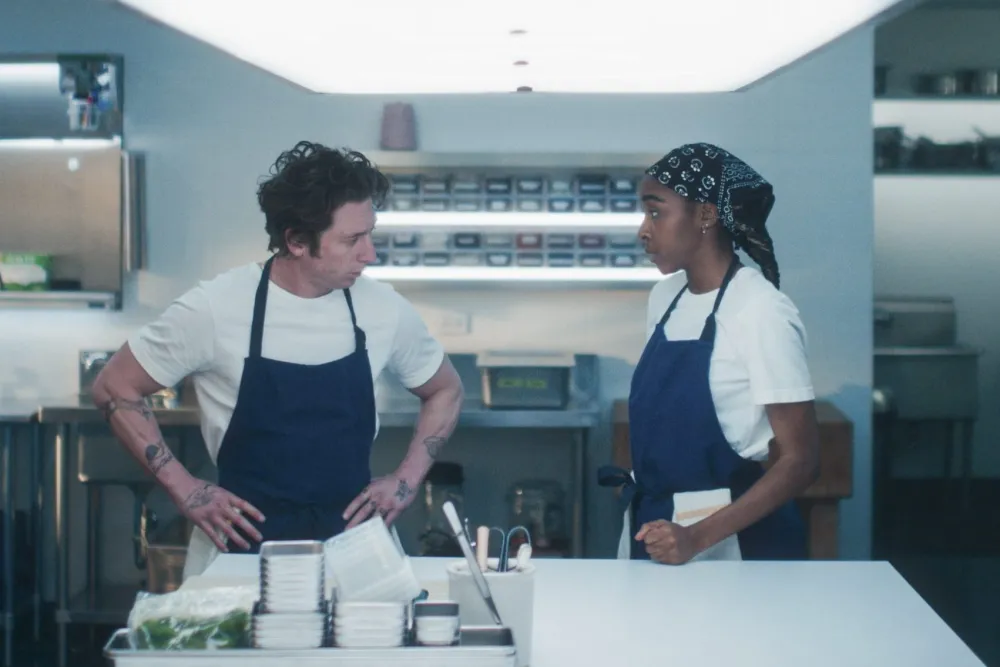
While the nominations celebrate new heights, they also signal a sobering reality for several shows that once held a stranglehold on the awards circuit. Most notable is the cooling of interest in FX’s The Bear. Despite securing a nomination for Outstanding Comedy Series, the show’s performance in the acting categories was remarkably thin.
The omission of heavyweights like Jeremy Allen White and Ebon Moss-Bachrach—both two-time winners—suggests that the Academy may be signaling a pivot away from the show’s previous dominance. While Ayo Edebiri and Jamie Lee Curtis received nods, the lack of support for the lead performers indicates that the industry may be ready to crown new champions. With the show’s fifth and final season having concluded in June, this year represents a symbolic end to an era for the series.
Similarly, other acclaimed series found themselves on the outside looking in. The buzz-heavy Industry was entirely shut out, continuing its unfortunate streak of being overlooked by voters. Meanwhile, Taylor Sheridan’s expansive Yellowstone universe, despite its massive viewership, continues to be met with a cold shoulder from the Academy, reinforcing the persistent divide between populist television and the tastes of Emmy voters.
The Rise of the Newcomers: Apple TV+ and the Summer Breakout
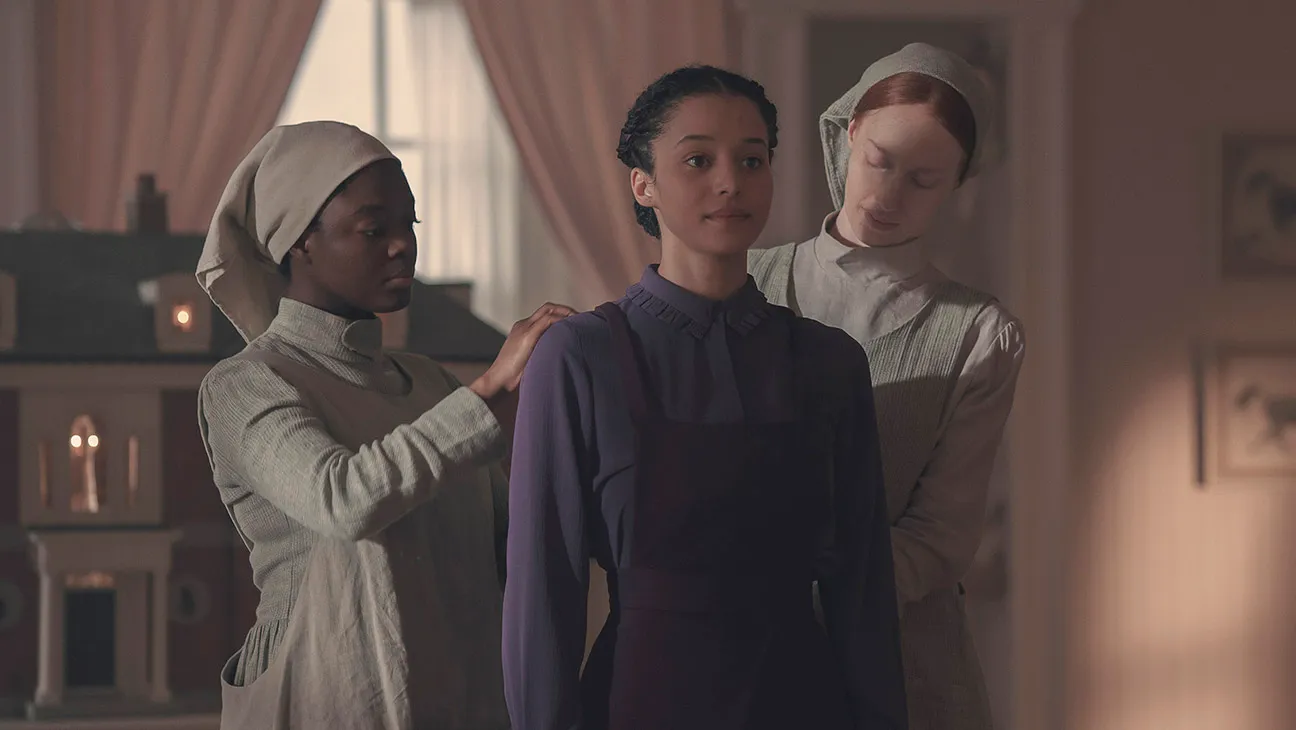
Apple TV+ has firmly established itself as a major player, with two breakout hits redefining its brand. Pluribus has proven to be an critical powerhouse, garnering 18 nominations in the drama categories. The series provided a stage for stellar performances from Carlos-Manuel Vesga and Karolina Wydra, both of whom received well-deserved supporting nominations.
Simultaneously, the word-of-mouth phenomenon Widow’s Bay has become the definitive success story of the summer, earning 19 comedy nominations. The show’s recognition extends to the legendary Rhea Seehorn and Matthew Rhys, the latter of whom also secured a nomination for his work in the limited series The Beast in Me. Widow’s Bay also succeeded in platforming character actors such as Dale Dickey and Stephen Root, highlighting the Academy’s increasing willingness to reward veteran performers in unconventional, genre-bending roles.
The Limited Series Battleground
The limited and anthology categories remain perhaps the most hotly contested fields in the 78th Emmy cycle. Netflix’s Beef continues its reign with 16 nominations, though its failure to secure nods for stars Cailee Spaeny and Song Kang-ho was viewed by many as a significant oversight.
HBO’s DTF St. Louis has surged to 13 nominations, positioning itself as a major challenger to Beef. With a stacked cast including Jason Bateman, Linda Cardellini, and David Harbour, the limited series category is currently viewed as a three-way race between Beef, DTF St. Louis, and the highly anticipated Love Story: John F. Kennedy Jr. & Carolyn Bessette.
Snubs, Omissions, and Technicalities
In a year defined by an embarrassment of riches, "snub" is a word used often but rarely with such justification. The exclusion of Sheryl Lee Ralph from Abbott Elementary was a surprise to many, especially given her previous wins and the show’s enduring popularity. Furthermore, the absence of nominations for new comedies such as I Love LA and The Lowdown speaks to the intense competition for a limited number of slots.
Technicalities also played a role in the narrative. The Canadian production Heated Rivalry, despite being one of the most-watched and critically acclaimed romances of the year, was deemed ineligible for the main series categories. Its sole representation came through Connor Storrie’s guest hosting turn on Saturday Night Live, a rare bright spot for a show that many industry observers believe would have swept the awards if not for international production regulations.
Strategic Implications and the Road to September
As we enter Phase Two of the Emmy season, the strategists behind these campaigns are shifting from the "awareness" phase to the "persuasion" phase. With final voting set to open on August 17, the pressure on studios to maintain momentum is immense.
Unlike the Academy Awards, where the voting body is more concentrated, the Television Academy is vast and diverse. This creates an environment where "campaigning" becomes an art form. For shows like The Pitt and Hacks, the challenge is to avoid complacency. For the underdogs, the goal is to capture the imagination of the late-voting bloc who have yet to settle on their preferences.
The September 14 ceremony promises to be a theater of the unexpected. While veteran performers like Jean Smart and Matthew Rhys are currently the safe bets, the volatility of this year’s nomination pool suggests that the Emmy stage may have more surprises in store than in previous years. As the industry looks toward the autumn, the only certainty is that the 78th Emmy Awards will serve as a definitive barometer for the changing tides of television storytelling, marking the end of some legacies and the birth of new, future-defining icons.
The industry will be watching closely as the ballots are cast, waiting to see if the status quo holds or if the Academy leans into the winds of change that defined this morning’s announcements.