The Return of the Wayans: How the New Scary Movie Reclaims a Legacy of Subversive Satire

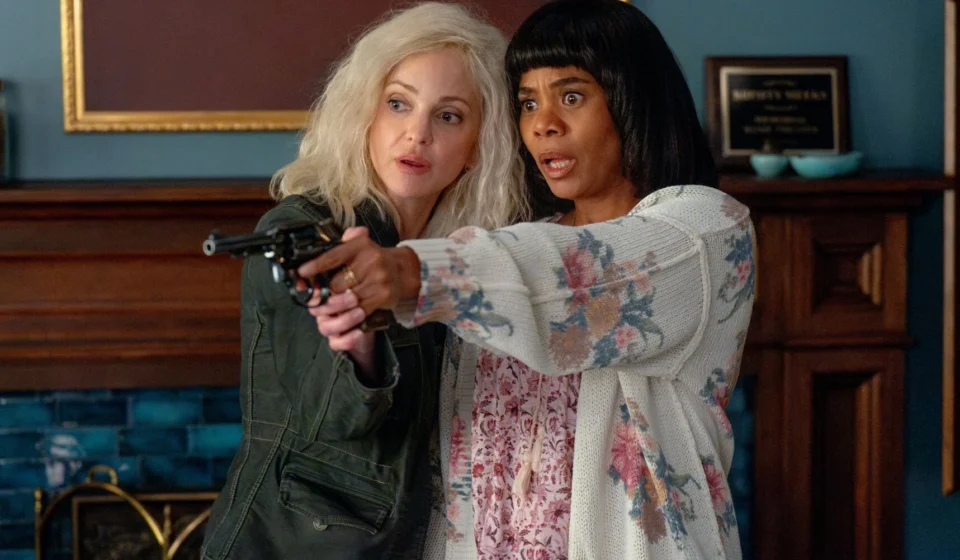
The horror-comedy landscape of 2026 has been irrevocably altered by the arrival of a new film titled simply Scary Movie. Eschewing the traditional numerical branding, the title is a deliberate, defiant choice—a structural protest against the three installments (films 3, 4, and 5) released in the Wayans family’s absence. With the original creative team reunited after a quarter-century hiatus, this legacy sequel serves as both a high-octane spoof of contemporary genre tropes and a sharp, biting critique of the Hollywood machinery that once sidelined them.
A Chronology of Conflict and Comedy
To understand the weight of the 2026 Scary Movie, one must look back to the origins of the franchise. In 2001, following a bitter compensation dispute with the Weinstein-led Dimension Films, the Wayans family—the architects of the original Scary Movie (2000)—walked away from their creation. For the Wayans, the subsequent sequels, produced without their creative input, were not merely inferior products; they were a professional betrayal. Marlon Wayans famously likened the experience of watching the franchise continue without his family to “watching your child become a crackhead.”
The new film serves as a cathartic reclamation. By bringing back the original ensemble, the production is more than a reunion tour; it is a restatement of the Wayans’ comedic DNA. The film utilizes the same anarchic energy that defined their early work, blending "piss-and-vinegar" humor with a sophisticated understanding of how the industry consumes and discards Black talent.
The Architectural Roots of the Spoof
The Wayans’ comedic sensibilities were not born in a vacuum. Robert Townsend, a frequent collaborator of Keenen Ivory Wayans, recalls the foundational influence of the greats. "We grew up on great comedy," Townsend notes. "Blazing Saddles, Kentucky Fried Movie—that’s where it started for me and Keenen."
These artists looked to the ZAZ (Zucker, Abrahams, and Zucker) school of comedy—the masters of the hyper-dense, reference-heavy spoof. However, while ZAZ used parody as a form of "counterprogramming" to the political unrest of the 1970s, opting to ignore Watergate and Vietnam in favor of pure, elevated stupidity, the Wayans and Townsend had a different agenda. They took the ZAZ template and injected it with the sharp, social commentary of The Richard Pryor Show.
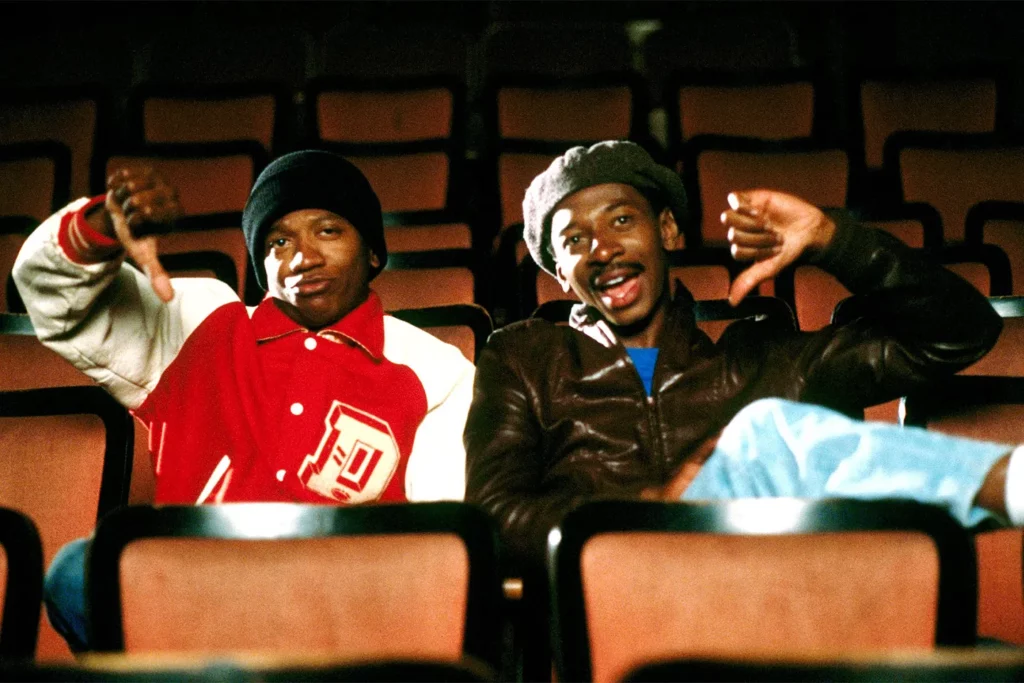
With Hollywood Shuffle (1987), the group demonstrated that cinematic karaoke could be a mode of cultural criticism. By targeting genres that historically marginalized Black audiences—specifically Blaxploitation and "hood flicks"—they roasted the industry for its lazy, reductive storytelling. This was not just comedy; it was a revolution. They were building a dynasty of subversive satire in direct defiance of the white Hollywood power structure.
The Evolution of the "Hood Flick" Satire
The Wayans’ ability to synthesize anger and laughter reached a zenith with Don’t Be a Menace to South Central while Drinking Your Juice in the Hood (1996). At a time when studio executives were actively mining Black trauma for popcorn entertainment, the Wayans responded with a film that was "brimming with anger."
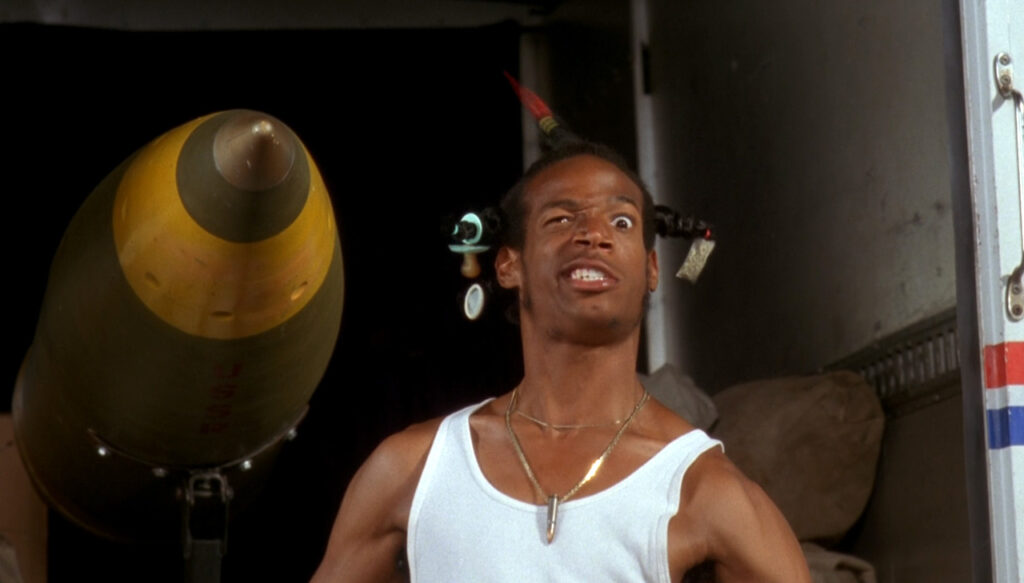
Marlon Wayans’ performance as Loc Dog stands as a masterclass in absurdist critique. By weaponizing the tropes of films like Menace II Society and Boyz n the Hood, Marlon forced audiences to confront the absurdity of the "thug" archetype that had become a prerequisite for Black actors in the 1990s. As Townsend reflects, "We were finding our way. We didn’t know what we had." What they had was a potent tool for deconstructing the stereotypes that had been imposed upon them by a system that rarely allowed them to tell their own stories.
The Scary Movie Formula: Efficiency and Impact
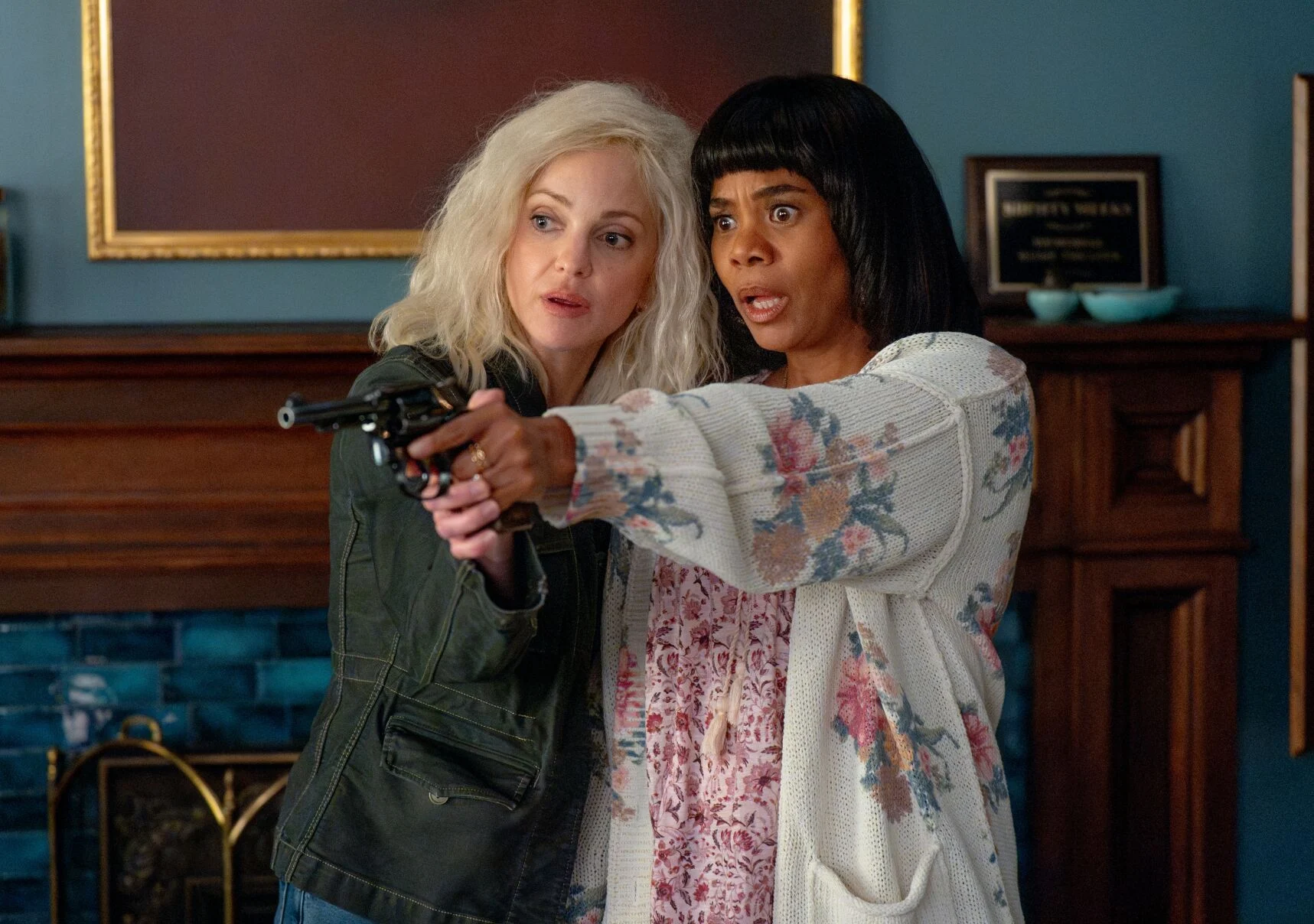
When Scary Movie premiered in 2000, it became the gold standard for the modern parody. It was ruthlessly efficient, turning a $19 million budget into a $278 million global phenomenon. The film functioned as a "genre referendum," mocking the teen slasher revival while simultaneously addressing the tension of placing Black characters in white-centric horror narratives.
The famous "The Brother Always Dies First" trope, popularized by critics like Roger Ebert, was addressed head-on in the 2000 film. By placing Regina Hall, Shawn Wayans, and Marlon Wayans at the center of the terror, the film turned the industry’s own exclusionary practices into the punchline.
Supporting Data: A Proven Economic Model
The success of the 2026 installment proves that the Wayans’ formula is as commercially viable today as it was in the late 90s. Pulling in $172 million in its first two weeks, the film has effectively secured the future of the franchise. This is a stark reminder to studio executives: the "Wayans brand" of comedy—which balances offensive, gross-out gags with incisive, high-brow critiques—remains a juggernaut.
| Metric | Scary Movie (2000) | Scary Movie (2026) |
|---|---|---|
| Budget | $19 Million | Est. $45 Million |
| 2-Week Gross | ~$110 Million | $172 Million |
| Critical Reception | Mixed/Polarizing | Culturally Relevant |
Official Responses and the Industry Shift
The industry’s relationship with the Wayans has shifted significantly over the decades. During the development of the 2026 film, there was a palpable sense of closure. The "happy ending" that the Wayans family has achieved is emblematic of a broader change in Hollywood.
Robert Townsend, reflecting on his career, recalls advice from the legendary Sidney Poitier. When asked how he maintained his dignity in an era of systemic exclusion, Poitier’s answer was simple: "I said no. I made sacrifices to do it, but I had the power to say no."
The Wayans family has exercised that same power, refusing to let their legacy be defined by the sequels they did not create. Their return to the Scary Movie franchise serves as a bookend to their long battle for creative autonomy.
Implications: A New Era for Black Satire
The success of the new Scary Movie, coupled with the record-breaking performance of recent films like Ryan Coogler’s Sinners—which explored the white exploitation of Black art—suggests that Hollywood is finally beginning to internalize the critiques that the Wayans have been making for 40 years.
The 2026 Scary Movie is not just a comedy; it is a testament to the power of artistic resilience. It suggests that when Black creators are given the space to own their narratives—and when they have the "power to say no" to industry exploitation—they can create works that are both commercially dominant and socially significant.
As the credits roll on the latest film, the message is clear: the Wayans are not just back; they have successfully reclaimed their seat at the table. They have proven that they can turn "piss and farts" into a box office gold mine while still holding up a mirror to a culture that has, for too long, refused to look at itself. The genre of the spoof has been revived, but it is no longer just a collection of gags—it is a weapon of truth, wielded by masters who have finally come home.