Box Office Renaissance: ‘Toy Story 5’ Leads a Historic Surge in Billion-Dollar Blockbusters

The cinematic landscape of 2026 is officially experiencing a full-scale renaissance. With the global box office performance of Disney and Pixar’s Toy Story 5, the industry has confirmed that the "theatrical experience" is not only surviving but thriving in an era dominated by digital distractions. The film, which poignantly explores the existential crisis of classic playthings pitted against the allure of modern technology, has officially crossed the $1 billion mark, cementing its status as the highest-grossing release of the year to date.
The Milestone: A Return to Form
Toy Story 5 has achieved a global cumulative gross of $1.022 billion, with a domestic haul of $448 million and a robust $573 million from international territories. This achievement marks a significant recovery for the industry, which has spent years attempting to recapture the pre-pandemic levels of consumer engagement.
The film’s performance is part of a broader trend of "billion-dollar momentum." It stands as the third film this year to reach the coveted ten-figure milestone, following the commercial juggernauts The Super Mario Galaxy Movie and the biographical drama Michael, both of which currently sit at approximately $1.001 billion. Industry analysts are already looking toward the horizon, with The Odyssey—currently sitting at $639.6 million after just two weekends—poised to become the fourth billion-dollar entry of the year. Furthermore, anticipation is at a fever pitch for the July 31 release of Spider-Man: Brand New Day, the direct sequel to the 2021 sensation No Way Home, which many believe will accelerate this growth trend even further.
Chronology of a Post-Pandemic Rebound
To understand the significance of this year’s success, one must look at the erratic path the box office has traveled since 2020. The year 2019 serves as the gold standard for modern cinematic output, boasting an incredible nine films that eclipsed the $1 billion threshold, including Avengers: Endgame and The Lion King.
The following year, the global pandemic forced a total shutdown of theater chains, resulting in zero billion-dollar films—a dark period that many feared signaled the end of the theatrical model. The recovery was slow and uneven:
- 2021: A singular success with Spider-Man: No Way Home.
- 2022: A slight uptick with three films, including Avatar: The Way of Water and Top Gun: Maverick.
- 2023: Two entries, led by the cultural phenomenon Barbie.
- 2024: A return to stability with three hits, including Inside Out 2 and Moana 2.
- 2025: A consistent year with three billion-dollar earners, such as Zootopia 2 and Avatar: Fire and Ash.
The year 2026 is currently tracking to be the most prolific year for high-grossing blockbusters since 2019, suggesting that the "eventization" of cinema—where audiences feel compelled to see a film on the largest screen possible—has returned to its former potency.
The Anatomy of Success: Why ‘Toy Story 5’ Resonated
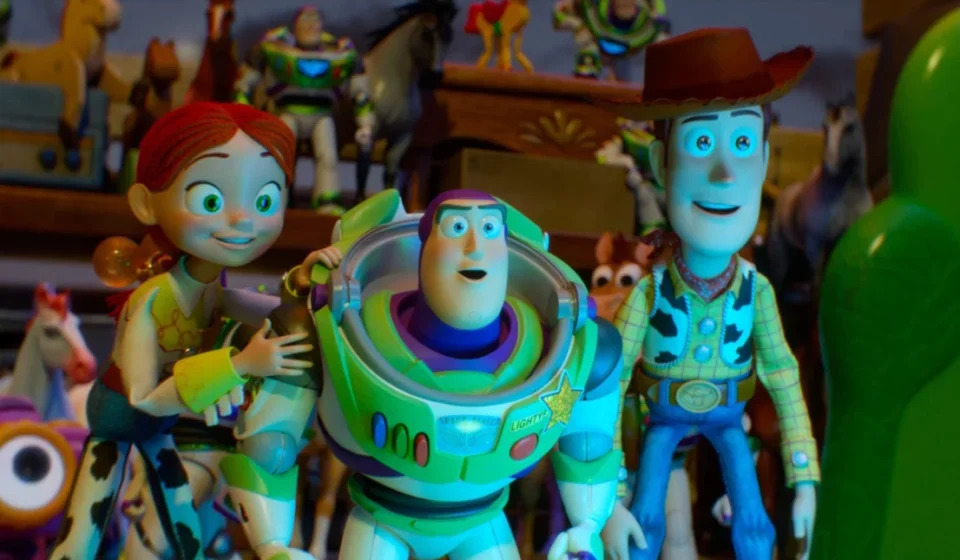
Directed by Pixar stalwart Andrew Stanton, Toy Story 5 masterfully taps into the cultural zeitgeist. The film’s narrative follows the familiar cast—Woody (voiced by Tom Hanks), Buzz Lightyear (Tim Allen), and Jessie (Joan Cusack)—as they navigate a world where their owner, Bonnie, has become increasingly absorbed by a sophisticated smart tablet known as "Lilypad."
By addressing the tension between tactile play and screen-based entertainment, the film resonated with both children and the adult generation that grew up alongside the franchise. Opening in mid-June with a staggering $160 million, the film secured the biggest debut of the year. Its longevity at the box office is attributed to critical acclaim and a unique marketing asset: a featured soundtrack song, "I Knew It, I Knew You," written by Taylor Swift. The song’s release coincided with the massive media interest surrounding Swift’s wedding to Travis Kelce, providing the film with an organic, high-visibility marketing boost that traditional trailers could not replicate.
As the film continues its theatrical run, it is on track to surpass 2019’s Toy Story 4 ($1.07 billion) to become the highest-grossing installment in the 31-year-old franchise. It marks the third film in the series to hit this milestone, joining Toy Story 3 ($1.06 billion) in the billion-dollar club.
The Dual Reality: Success Amidst Structural Change
Despite the triumph of Toy Story 5, the news from Pixar has been bittersweet. Last week, the studio was impacted by widespread layoffs at Disney, highlighting the precarious nature of the current entertainment economy. While animated sequels—often viewed as "safe bets" by studio executives—are performing with historic efficiency, original, riskier projects are finding it difficult to gain traction.
This disparity was evident in the performance of Pixar’s other 2026 release, Hoppers. A high-concept film about a student who transfers her consciousness into a robotic beaver, Hoppers failed to sustain the momentum required for long-term box office viability. While it saw a strong opening weekend, the film lacked the cultural "gravity" of established intellectual properties, leading to a quick drop-off in attendance. This dichotomy presents a difficult challenge for creative studios: how to balance the financial necessity of proven sequels with the artistic imperative of original storytelling.
Implications for the Future of Cinema
The success of 2026’s slate carries profound implications for the film industry. First, it validates the "big screen" experience as an irreplaceable cultural touchstone. Second, it highlights the increasing importance of franchise management. When a film like Toy Story 5 succeeds, it does not just earn revenue for a single studio; it draws audiences back into the habit of going to the movies, which benefits the entire ecosystem of theaters, exhibitors, and ancillary businesses.
However, the industry remains wary of over-reliance on legacy brands. The layoffs at Pixar serve as a sober reminder that commercial success does not insulate creative teams from the harsh realities of corporate restructuring. The challenge moving forward for Disney and other major studios will be to leverage the massive profits generated by hits like Toy Story 5 to subsidize the next generation of original animation.
As we look toward the remainder of the year, the industry’s trajectory is clear: audiences are hungry for quality, high-spectacle storytelling. With Spider-Man: Brand New Day looming and The Odyssey climbing the charts, the "billion-dollar summer" is not just a statistical anomaly—it is a clear message that for millions of people worldwide, there is still no substitute for the magic of the cinema.