The Art of the Archive: How ‘Ritual’ Zine Is Reviving the Communal Soul of Cinema

Earlier this summer, a quiet cultural shift began to materialize on the counters of independent businesses across the country. From the hallowed projection booths of Quentin Tarantino’s New Beverly Cinema and the historic Vista Theatre in Los Angeles to the bustling aisles of Amoeba Records and the specialized shelves of Twisted Spine in Brooklyn, a new publication has become an unexpected "must-have" for cinephiles. Titled Ritual, the zine is a love letter to the tangible, communal, and often gritty history of film culture, and its rapid success—marked by immediate sell-outs—suggests that in an era of digital saturation, the audience’s hunger for the tactile remains insatiable.
Featuring essays by industry heavyweights like Patton Oswalt, filmmaker Edgar Wright, and IFC executive Danielle Freiberg, Ritual does more than provide commentary; it curates an aesthetic experience. It is a time capsule, filled with nostalgic artifacts like reprints of 1980s newspaper film advertisements, reminding a generation of the specific thrill of seeing titles like The Survivors, Superman III, and Blue Thunder competing for space at the local multiplex.
The Genesis of a Modern Relic
The brain behind this operation is Greg Longstreet, a veteran publicist whose career has been defined by his advocacy for auteur filmmakers. For Longstreet, Ritual is not merely a side project; it is the culmination of a lifelong immersion in the entertainment industry—a "labor of love" that serves as both an autobiography and a bridge between generations.
Longstreet’s connection to the industry is deep-rooted. His grandfather, Stephen Longstreet, was a prolific novelist and screenwriter; his father, Harry, and stepmother, Renee, were working writers and producers in the television landscape of the 1980s.

"They were blue-collar industry people," Longstreet reflected in an interview with IndieWire. "They weren’t the Steven Bochcos of the world. They made a living at it, going from show to show. Growing up in L.A., that industry DNA is all around you."
Despite this pedigree, his path was far from linear. His childhood was marked by long afternoons hanging out on the MGM/UA lot in Culver City while his parents served as showrunners for the hit series Fame. Those days on the lot fostered a curiosity that led him to try his hand at acting, only to face the harsh reality of the cutting room floor. His experience as an extra in the Lea Thompson comedy Casual Sex—a story he recounts with both humor and lingering sting in the first issue of Ritual—was a pivotal, if painful, lesson in the volatility of the creative process.
A Career Defined by Evolution
The chronology of Longstreet’s career mirrors the shifting landscape of Hollywood itself. After his collegiate years, he found his footing at VIBE magazine during the early 1990s. This period was transformative; working at the publication during the explosion of hip-hop culture taught him the power of magazines to shape pop culture identity.
"Working for VIBE as a hip-hop obsessed twentysomething made me fall in love with the medium of print," Longstreet said. "I was already in love with movies, but this was the first time I understood how to package that love for an audience."

Following his stint at VIBE, Longstreet attempted to pivot into screenwriting. He sold a spec script to producer Joel Silver and felt the rush of being "a writer." However, as multiple scripts failed to reach production, the joy of the craft began to feel like a grind. He realized that for him, the act of writing was incomplete without the audience.
"I equate it to painting a painting and not being able to show it to anyone," he explained.
In 2004, at the age of 30—an age he felt was too advanced to begin a traditional career as an agent or manager—he made a humble, calculated move. He approached publicist Staci Wolfe, offering to answer phones just to learn the trade from the ground up. This pivot proved to be his calling. He rose through the ranks, eventually representing the very filmmakers he had admired for years.
Supporting Data: The Power of the Physical
The success of Ritual is not an anomaly, but rather a data point in the growing movement of "analog resurgence." Much like the return of vinyl records and the popularity of physical film prints, the zine taps into a desire for permanence.

By focusing on the "ritual" of filmgoing—the smell of popcorn, the dimming of lights, and the collective gasp of an audience—the zine provides a counter-narrative to the frictionless experience of streaming. The inclusion of ephemeral documents, such as a letter written to his grandfather by Cecil B. DeMille, provides readers with a sense of historical context that cannot be replicated by algorithms.
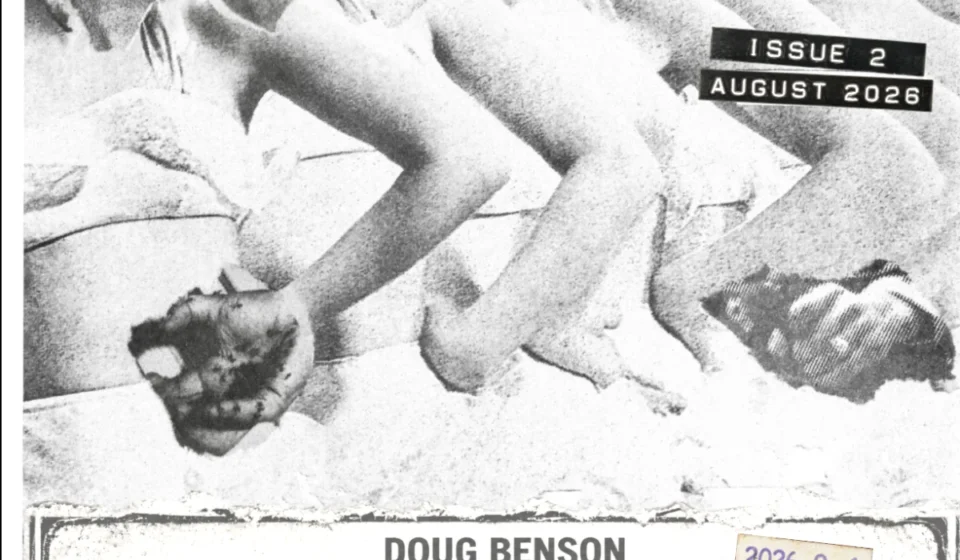
The second issue, arriving this August, features contributions from Shane Black, Jules McLean, and Doug Benson. Its expansion into more retail outlets indicates that Ritual is scaling, albeit carefully. Longstreet emphasizes that the zine is designed to be a collector’s item, available via select brick-and-mortar stores and through their Instagram page for those who prefer the mail.
Official Perspective: Connecting the Dots
When asked why he decided to start Ritual after two decades in public relations, Longstreet is clear: it is about legacy.
"I’m never going to write an autobiography," he admits. "But in a way, this is my autobiography. I love this town so much, and I want people to know what the Longstreets contributed."

He points to his daughter, Casey, who is continuing the family tradition in the marketing department at Warner Bros., as proof that the industry is still a family business. "It’s like being a plumber; you pass the tools down. If she has kids and continues the legacy, I value that."
Longstreet’s work at the New Beverly and the Vista is, in many ways, an extension of his professional life. He treats these theaters as sacred spaces, not just for the films they show, but for the people who make the "communal experience" possible. Whether it is the person selling tickets or the manager overseeing the projection, Longstreet sees them as the backbone of Hollywood.
Implications for the Future of Film Culture
The emergence of Ritual signals a broader shift in how modern audiences engage with film history. As the industry grapples with the transition to fully digital distribution and AI-generated content, there is a visible, tactile pushback.
- The Preservation of Oral History: By documenting anecdotes from his own life and the lives of those he meets in the industry, Longstreet is creating a secondary, grassroots archive of Hollywood history.
- The Community-First Model: The reliance on indie bookshops and revival houses suggests that the future of niche publishing lies in physical, local ecosystems rather than global, digital platforms.
- Redefining "Legacy": For the next generation of industry professionals, Ritual serves as a reminder that the history of cinema is not just in the vaults of the major studios, but in the personal stories of the writers, publicists, and fans who sustain the culture.
As the second issue of Ritual hits the stands this August, it carries the weight of a industry that is currently in the middle of a massive identity crisis. By looking back—at old newspaper ads, forgotten scripts, and the simple, sacred act of sitting in a dark room with strangers—Greg Longstreet is offering a blueprint for how to move forward without losing the soul of the medium.

"I love meeting the people that make this town work," Longstreet concluded. "Whether you’re selling popcorn at the Vista or you’re a producer, that’s been the joy of this job. I’m just trying to keep the record straight."
In a world that moves at the speed of a scroll, Ritual serves as a necessary pause—a reminder that cinema was never just a product to be consumed, but a shared experience to be cherished.