The 83rd Venice Film Festival: A Global Cinematic Showcase Navigates a Changing Landscape

As the canal-side city of Venice prepares to welcome the world’s most prestigious filmmakers, critics, and industry power brokers, the 83rd edition of the Venice Film Festival (La Biennale di Venezia) stands at a crossroads. Scheduled to run from September 2 to September 12, 2026, the festival is set to unveil an ambitious, sprawling lineup that underscores its reputation as the premier launchpad for the autumn awards season.
While the festival continues to grapple with the shifting tides of the global film industry—notably a diminished Hollywood footprint compared to the pre-strike era—the 2026 selection emphasizes a commitment to auteur-driven, international cinema. With Danny Boyle leading the charge and Maggie Gyllenhaal anchoring the jury, the festival aims to prove that the "Venice magic" remains an essential force in the cultural zeitgeist.
The Opening and Closing Acts: A Study in Contrasts
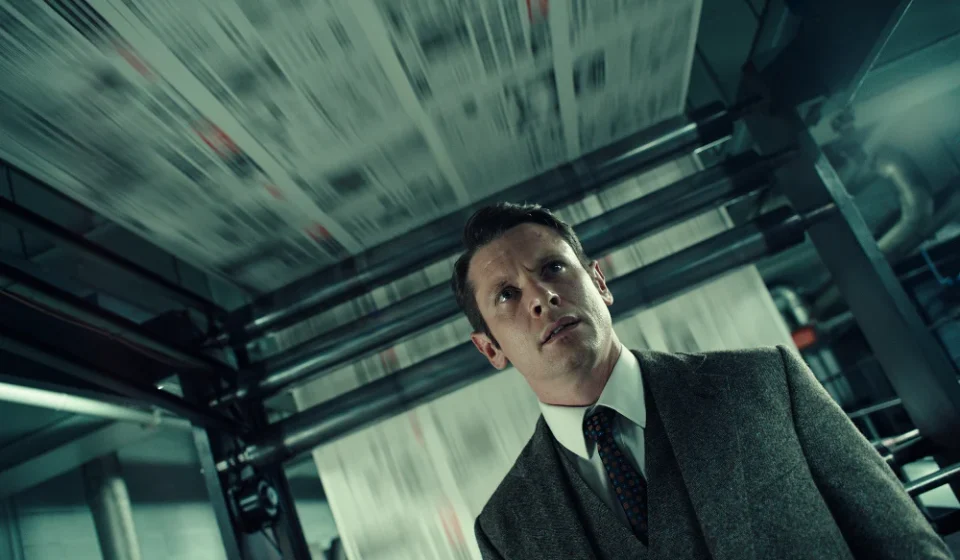
The festival will kick off on September 2 with the world premiere of Danny Boyle’s Ink. A biographical drama set against the backdrop of the 1960s British media landscape, the film is already generating significant buzz. Starring Guy Pearce as the formidable and divisive media mogul Rupert Murdoch, and Jack O’Connell as Larry Lamb, the editor of the Murdoch-owned U.K. tabloid The Sun, the film promises to be a razor-sharp examination of power, journalism, and the creation of a media empire. Netflix, in a strategic move, has secured the U.S. distribution rights, signaling their continued commitment to acquiring prestige festival titles.
At the other end of the spectrum, the festival will close with Dio Ride ("God Laughs"), the latest offering from acclaimed Italian director Giovanni Veronesi. Positioned in the out-of-competition section, this period piece stars Pierfrancesco Favino as a 17th-century Tuscan friar. The film explores the conflict between faith and institutional rigidity, depicting the protagonist’s attempt to preach a message of divine joy, only to face the harsh scrutiny of the church. It is a quintessential Venice closer: culturally specific, visually evocative, and thematically rich.
A Jury Led by Visionary Talent
This year’s jury is chaired by actor and director Maggie Gyllenhaal, a choice that highlights the festival’s dedication to modern, boundary-pushing voices. Gyllenhaal, whose directorial work on The Lost Daughter received critical acclaim, becomes the third woman to preside over the jury in the past five years, following in the footsteps of cinematic icons Isabelle Huppert, Julianne Moore, and Cate Blanchett.
Gyllenhaal will lead a diverse and intellectually rigorous jury panel, including:
- Johnnie To: The Hong Kong filmmaking legend and master of the action-thriller genre.
- Kaouther Ben Hania: The acclaimed Tunisian director known for her incisive social commentaries.
- Shahrbanoo Sadat: An Afghan filmmaker whose work has consistently pushed the boundaries of documentary and narrative realism.
- Xavier Giannoli: The French director and screenwriter celebrated for his intricate character studies.
- Daniel Blumberg: The visionary composer behind the score for The Brutalist.
- Francesco Casetti: A U.S.-based Italian film academic who brings a theoretical depth to the panel.
Chronology of the 83rd Venice Film Festival
The 10-day event is structured to balance competition heavyweights with a robust slate of out-of-competition, non-fiction, and retrospective programming.
September 2–4: The Opening Surge
The festival begins with the high-profile premiere of Ink. The initial days will be dominated by the Competition titles, including Casey Affleck’s Company and the highly anticipated Il Fuoco Che Ti Porti Dentro by Edoardo De Angelis.
September 5–8: The Mid-Festival Pivot
During the middle stretch, the festival will pivot toward its expansive Non-Fiction and "Film on Films" sections. This period will feature the latest from masters like Wim Wenders, who presents a look at the architecture of Peter Zumthor, and Alex Gibney, who brings a new documentary on the polarizing figure of Elon Musk.
September 9–12: The Climax and Awards
As the festival draws to a close, the focus shifts to the "Horizons" (Orizzonti) section, which showcases emerging talents and experimental storytelling. The event concludes with the premiere of Dio Ride and the much-anticipated Golden Lion ceremony, which determines the frontrunners for the upcoming Oscar race.
Supporting Data: An Industry in Flux
Industry analysts have noted a trend that began at Cannes earlier this year: the "lighter" Hollywood presence. While the 2026 Venice lineup includes major names, the volume of big-budget U.S. studio films is lower than in the early 2020s. This vacuum is being filled by a surge in international co-productions and an increase in non-fiction programming.
The inclusion of high-profile documentaries, such as Oasis: Don’t Look Back in Anger (Dylan Southern and Will Lovelace) and Everest: The Other Side (Elizabeth Chai Vasarhelyi and Jimmy Chin), demonstrates the festival’s strategy to diversify its offerings, ensuring that it remains relevant to both the art-house circuit and the commercial streaming market.
Official Responses and Festival Strategy
Alberto Barbera, the festival’s Artistic Director, has consistently defended the curation process against claims that the lack of "Hollywood stars" could diminish the festival’s luster. In a pre-festival briefing, Barbera remarked, "The mission of Venice is to discover the future of cinema. While we value the presence of major American talent, our primary obligation is to the film itself. We believe this year’s roster—from the competition to the spotlight sections—offers a level of narrative depth that is unparalleled in the current festival circuit."
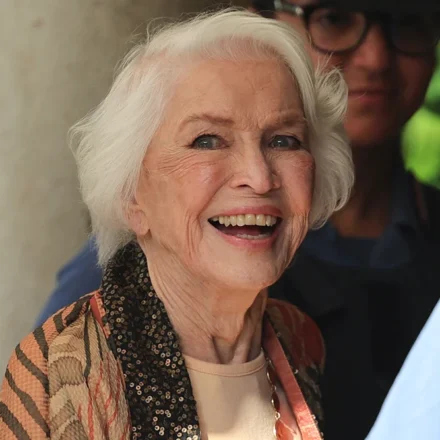
The festival has also taken steps to honor cinematic history. The decision to grant lifetime achievement awards to George Clooney and Ellen Burstyn serves as a bridge between the classic Hollywood era and the modern, experimental spirit the festival aims to champion.
Implications for the Global Film Market
The 2026 Venice lineup has profound implications for the global film market:
- The Rise of the "Mid-Budget" Prestige Film: With fewer massive blockbusters, the festival is showcasing more mid-budget, auteur-driven films. This suggests that the industry is leaning back toward high-quality, mid-range narratives that rely on strong performances rather than CGI spectacle.
- The Streaming-Festival Synergy: With Netflix’s acquisition of Ink, the model of using festivals as a global launchpad for streaming services is firmly entrenched. This provides independent filmmakers with a path to global audiences that was previously unavailable.
- Regional Growth: The inclusion of titles from filmmakers like Lav Diaz, Ali Asgari, and Muayad Alayan highlights the festival’s role as a platform for non-Western storytelling, effectively decentralizing the narrative of "what makes a global film."
Looking Ahead: The Full Lineup
The following categories constitute the heartbeat of the 2026 event:
- Competition: Features Ink (Boyle), Company (Affleck), Kami Nour (Asgari), Ritorno a Buenos Aires (Bechis), Un Bon Petit Soldat (Brizé), and Il Fuoco Che Ti Porti Dentro (De Angelis).
- Venice Open (Out of Competition): A mix of fiction and non-fiction including Dio Ride (Veronesi), The Basics of Philosophy (Schrader), Musk (Gibney), and Union Town (Kopple).
- Horizons: Dedicated to new trends in world cinema, including La Ragazza Con La Leica (Marazzi) and The Burning Giants (Aroonpheng).
- Film on Films: A section dedicated to the craft of filmmaking itself, featuring works like Joie De Vivre (Guadagnino) and The Pervert’s Guide to Utopias (Fiennes).
As September approaches, the eyes of the cinematic world turn to the Lido. Despite the shifts in the industry, the 83rd Venice Film Festival promises to be a defiant, sophisticated celebration of the art of the moving image. Whether through the lens of a 17th-century Italian friar or the boardroom of a 1960s newspaper tycoon, the stories presented this year reflect a world in transition—one that is, as the closing film suggests, perhaps finding a way to laugh through the complexity of it all.