The Alchemy of AI: How Impossible Objects is Redefining Boutique VFX Production

In the high-stakes world of commercial advertising and cinematic visual effects, the gulf between "boutique" studios and massive global facilities is narrowing. At the heart of this shift is Los Angeles-based studio Impossible Objects (IO), a company that has successfully integrated generative AI into a traditional VFX pipeline without sacrificing the artisanal quality demanded by elite global brands. By leveraging custom-tuned workflows and high-performance hardware, IO is proving that with the right infrastructure, a small team can wield the "superpowers" typically reserved for large-scale production houses.
The Convergence of Art and Algorithm: Main Facts
Impossible Objects, known for its work with blue-chip clients such as Porsche, Cadillac, Subaru, Nike, and Google, has reached a technological inflection point. Under the leadership of AI Lead Nhan Le, the studio has moved beyond mere experimentation, embedding AI directly into the production cycle.
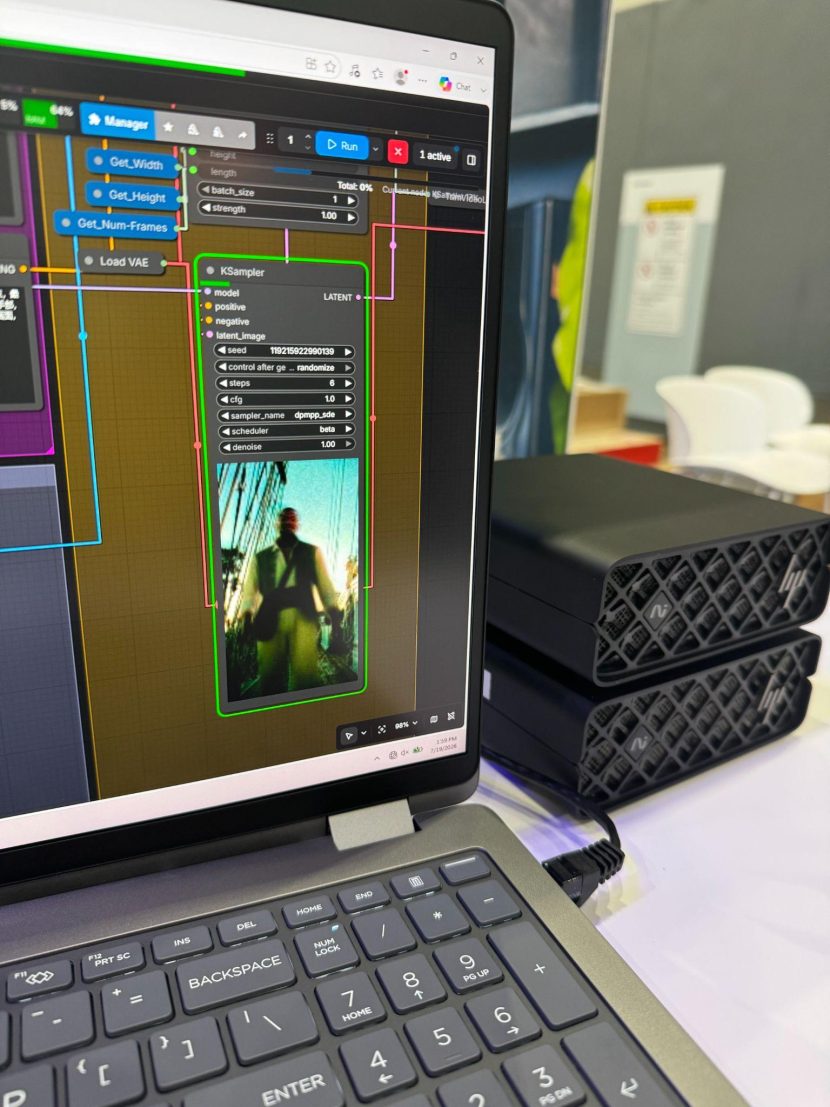
The core of their strategy is a hybrid approach. Recognizing that off-the-shelf generative AI models often fail to meet the exacting standards of photorealism required for automotive and high-end commercial work, IO has opted for a bespoke method. They combine traditional 2D compositing—using industry standards like Foundry Nuke, Adobe After Effects, and SideFX Houdini—with proprietary, fine-tuned AI models.
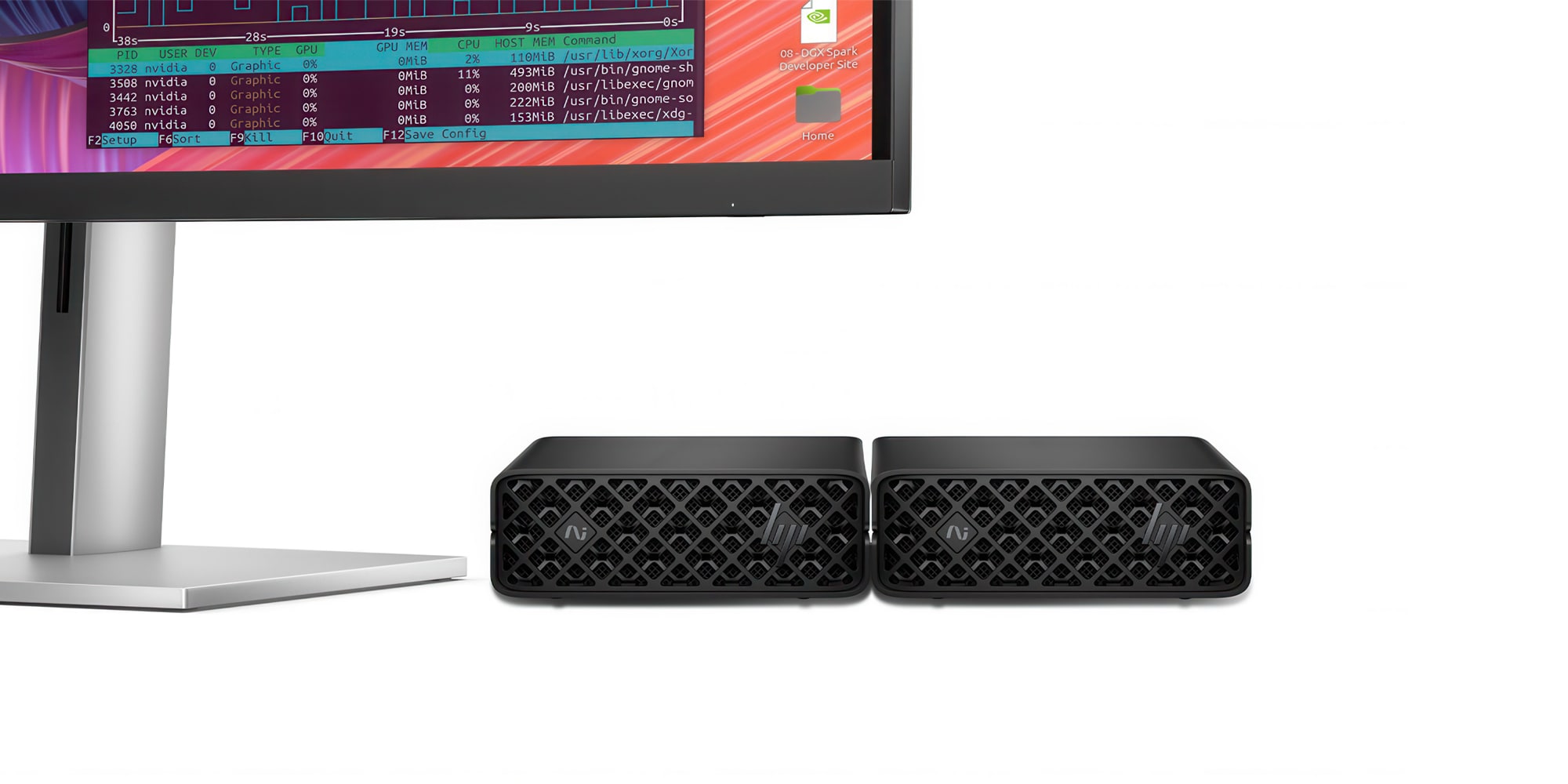
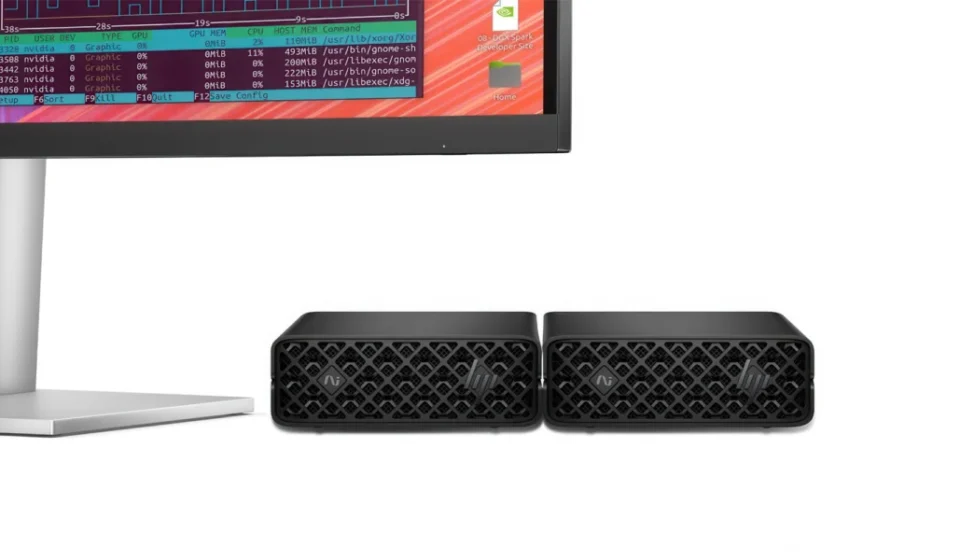
To power this intensive computational load, the studio has integrated two HP ZGX AI stations, featuring the NVIDIA GB10 Grace Blackwell Superchip. This move from cloud-based experimentation to high-octane local compute marks a significant shift in how boutique studios handle sensitive client data while maintaining the speed required for modern, rapid-turnaround advertising.
From Concept to Capture: A Chronology of Innovation
The journey of Impossible Objects into the AI era has been marked by a two-year period of intensive Research and Development (R&D).
- Initial Discovery (Two Years Ago): Recognizing the limitations of standard generative tools, the team at IO began an exhaustive R&D phase to determine how AI could augment, rather than replace, their human artists.
- Pipeline Integration: IO began customizing workflows within ComfyUI, tailoring the node-based interface to handle specific production tasks. They shifted focus toward training models on their own high-quality, original footage rather than relying on generalized datasets.
- Infrastructure Upgrade: As project demands grew, the studio hit the ceiling of standard hardware capabilities. The realization that they needed to keep data secure and on-premise led to the acquisition of the HP ZGX Nano AI stations.
- The "Smart Farm" Transition: Currently, IO is in the process of evolving its infrastructure. Having mastered the use of these stations for individual AI-boosted shots, they are now building an in-house "smart" render farm. This will utilize multi-agent AI to manage rendering processes, effectively creating an autonomous backend that scales with the studio’s output.
Powering the Future: Supporting Data and Infrastructure
The decision to adopt the HP ZGX Nano G1n was driven by a specific set of operational requirements. According to the studio, the primary challenge was not just "doing AI," but doing it at a level that maintains 4K resolution and high color fidelity.
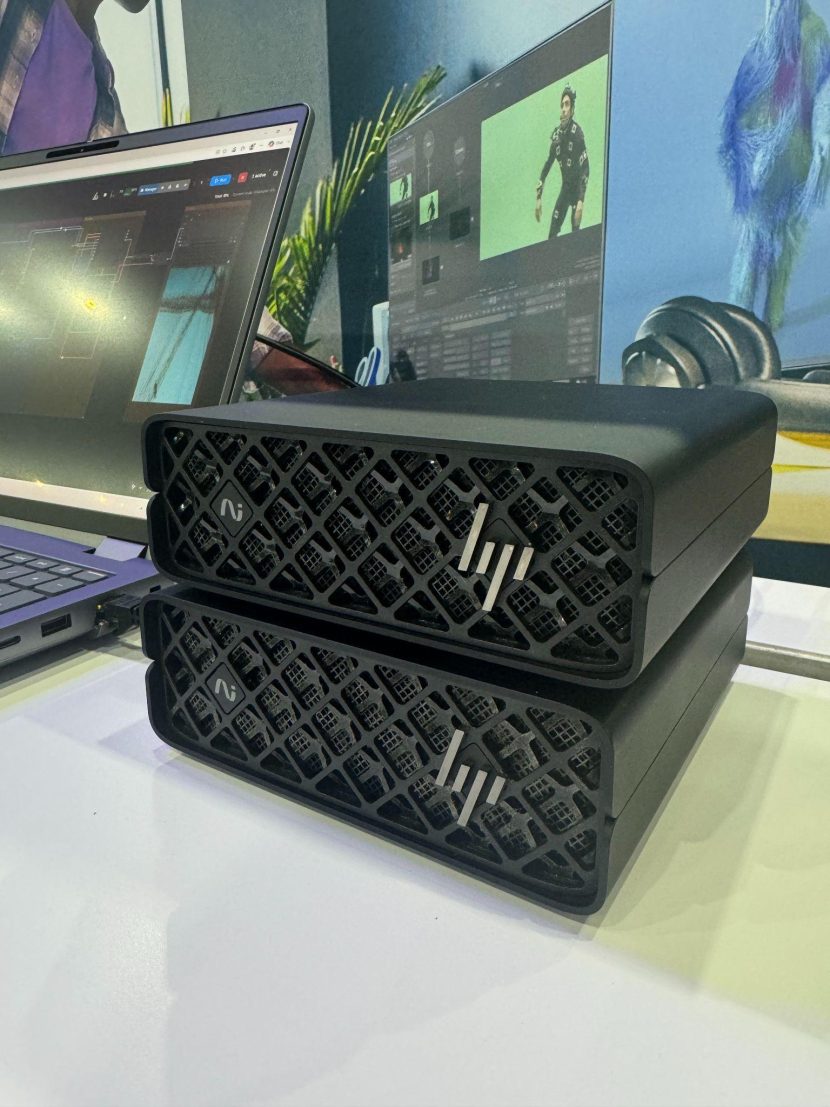
The HP ZGX Nano provides the necessary local compute to avoid the "ballooning" costs of cloud-based GPU rental. Furthermore, by utilizing the 200 Gbps ConnectX-7 ports, IO was able to cluster two units, effectively doubling their memory capacity. This hardware synergy allows them to load high-resolution models and process long-form 4K clips that would typically crash lesser systems.
For the studio, the metrics are clear: by automating lighting matches and tracking data—tasks that once took days of manual rotoscoping and match-moving—the team has observed a multi-fold increase in throughput. The ZGX Toolkit allowed for near-instant integration, moving from "out of the box" to active production use in a matter of hours, significantly reducing the "time-to-first-frame."
The Security Paradigm: Official Responses
For a studio handling proprietary brand IP, the "cloud vs. local" debate is not merely a technical preference; it is a fundamental business risk.
"We don’t deliver fully generative shots to clients because currently there are limitations on resolution and color," says Nhan Le. "However, by combining it with traditional 2D compositing, we’re able to take the best parts of generative AI and make it production-friendly. With the ZGX Nanos, we’re able to keep everything local and on-prem, which is a massive security consideration for our clients who don’t want to take the risk of working with vendors who upload footage and files to LLMs in the cloud."
Jerad Anderson, co-founder of IO, emphasizes the human element behind this technological shift. "People like Nhan and his counterpart Aiden Silver are really amazing creative engineers," Anderson notes. "They have paved a way with this new workflow that marries AI into production in a way that firmly plants a flag in craft and the human element, while embracing the time-saving elements of generative AI. We’ve been doing R&D for two years straight to devise an approach that generates assets from original capture so that once we’ve solved a production problem, the solution is repeatable."
Industry Implications: The Shift in VFX Workflows
The implications of Impossible Objects’ approach are profound for the broader VFX industry.
1. The Death of Manual Drudgery
The most immediate impact is the liberation of the artist. By automating backend tasks—such as inferring 3D tracking data directly from footage captured in LED volumes—IO has effectively removed the "busy work" from the post-production cycle. This allows artists to refocus on the creative, "human" elements of the shot, such as grading, composition, and emotional resonance.
2. The Rise of "Creative Engineering"
The role of the VFX artist is evolving into that of a "creative engineer." Because the workflow is now based on fine-tuned models rather than "magic button" AI, the studio’s IP remains protected and proprietary. Every time they complete a project, they aren’t just delivering a commercial; they are building a library of custom-trained assets that makes their next job faster and more accurate.
3. Scalability without Overhead
Traditionally, scaling a studio required hiring more artists or expanding the render farm. By utilizing AI-managed render farms, IO is moving toward a model where the infrastructure scales itself. The use of multi-agent LLMs to manage rendering queues represents a new frontier in studio management, where the system itself "understands" the requirements of a project and optimizes hardware resources accordingly.
4. Provenance and Trust
In an era where "deepfakes" and AI-generated misinformation are top-of-mind, IO’s commitment to provenance—tracking every asset from original capture to final output—provides a blueprint for responsible AI usage in media. By using open-source models trained exclusively on their own captured, high-quality data, they ensure that the final result is not just a statistical average of the internet, but a verified, high-fidelity creative asset.
Conclusion: The Path Ahead
The story of Impossible Objects is not one of AI replacing the VFX artist, but rather one of AI serving as an incredibly powerful force multiplier. By investing in the right hardware and taking the time to build a custom, secure, and repeatable pipeline, they have secured their place at the forefront of the industry.
As they continue to refine their "smart" render farms and deepen their integration of multi-agent systems, IO is demonstrating that the future of VFX is not necessarily in the hands of the largest facilities, but in the hands of the most agile. The ability to pivot, innovate, and maintain rigorous quality control—all while leveraging the speed of generative AI—has transformed Impossible Objects from a boutique studio into a powerhouse of creative efficiency.

For studios watching the rapid evolution of the VFX landscape, the takeaway is clear: the technology is no longer a "future" prospect. It is here, it is local, and for those who take the time to engineer it correctly, it is the new gold standard for production.
For those interested in exploring similar high-performance workflows, HP offers a suite of ZGX AI solutions tailored to the needs of modern production houses. For more information on how to implement this architecture in your own studio, contact HP’s support team or visit their official ZGX Nano portal.