The Sound of Despair: Naoki Sato Returns to Score the Highly Anticipated ‘Godzilla Minus Zero’

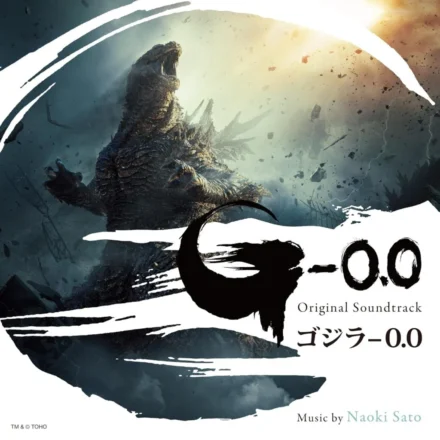
The cinematic landscape is bracing for a seismic event as the Toho-produced sequel, Godzilla Minus Zero, prepares to terrorize global audiences. Following the critical and commercial triumph of 2023’s Godzilla Minus One, director Takashi Yamazaki is returning to the director’s chair to explore a post-war Japan struggling to find its footing. Central to the film’s haunting atmosphere is the return of composer Naoki Sato, whose atmospheric, visceral score is set to be released in tandem with the film’s theatrical rollout.
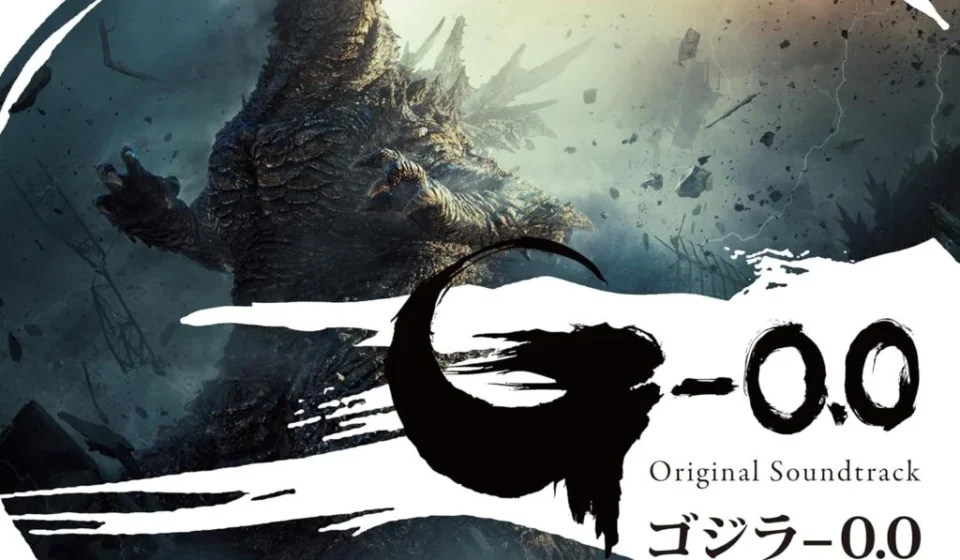
Milan Records, in collaboration with Rambling Records, has officially announced the soundtrack release for the film. The digital album will be available in most major markets on November 4, while collectors in Japan can look forward to physical CD and vinyl editions distributed by Rambling Records.
Main Facts: A Sonic Evolution of Terror
Naoki Sato, a titan of Japanese film scoring, brings a wealth of experience to Godzilla Minus Zero. Known for his work on high-profile projects ranging from the Rurouni Kenshin series to Dragon Ball Super: Super Hero and the intense Masquerade Night, Sato has carved out a niche for blending sweeping orchestral arrangements with intimate, character-driven motifs.
His involvement in Godzilla Minus Zero marks a direct continuation of the musical identity established in its predecessor. While Godzilla Minus One focused on the raw, existential dread of a Japan decimated by war, Minus Zero—set two years later—promises to expand that scope. The soundtrack, which features 16 tracks including the sweeping 13-minute odyssey "The Road Ahead," suggests a score that balances the crushing weight of the monster’s presence with the fragile hope of a nation attempting to rebuild.
The digital release is scheduled for November 4, 2026. For those seeking physical media, the import versions are currently available for pre-order via Amazon.
Chronology: The Journey to ‘Minus Zero’
The production timeline for Godzilla Minus Zero has been remarkably swift, reflecting the momentum generated by the franchise’s recent revitalization.
- Late 2023: Following the massive global success of Godzilla Minus One, Toho confirms that director Takashi Yamazaki will helm a direct sequel.
- Early 2024: Pre-production begins, with the returning cast—including Ryunosuke Kamiki and Minami Hamabe—finalizing their contracts.
- Summer 2025: Post-production enters the scoring phase, with Naoki Sato spending months refining the motifs that will define the sequel’s darker tone.
- September 2026: Godzilla Minus Zero premieres at the New York Film Festival to significant acclaim, building anticipation for its wide release.
- November 3, 2026: The film opens in theaters across Japan.
- November 4, 2026: The official soundtrack album is released globally by Milan Records.
- November 6, 2026: The film arrives in U.S. theaters via GKIDS.
This tight turnaround highlights the confidence Toho has in Yamazaki’s vision. By maintaining the same creative core—director, composer, and primary cast—the production aims to provide a seamless narrative experience that deepens the stakes established in the previous installment.
Supporting Data: Understanding the Soundtrack
The tracklist provided by Milan Records offers a glimpse into the emotional arc of the film. The titles suggest a progression from the initial shock of the monster’s arrival to the complex, often tragic, process of human endurance.
The Official Tracklist:
- Eclipse (5:29)
- Witness (2:06)
- Contingency (3:35)
- Remnant (3:04)
- Bearer (4:19)
- Burden (2:10)
- Narukami (6:01)
- Resonance (8:28)
- Devotion (8:30)
- Possession (2:26)
- Fortitude (2:48)
- Farewell (1:46)
- Divine (5:34)
- Resolution (5:10)
- The Road Ahead (13:03)
- Godzilla Suite (2:09)
The inclusion of the "Godzilla Suite" as the final track suggests that Sato has meticulously synthesized the new themes with the legacy motifs that fans expect from the franchise. Tracks like "The Road Ahead" (13:03) and "Devotion" (8:30) hint at a grander, more operatic musical structure than the previous film, signaling that the scale of the conflict in Minus Zero will be significantly elevated.
Official Responses and Creative Vision
Takashi Yamazaki has remained vocal about the thematic goals of the sequel. In recent press junkets, he noted that Godzilla Minus Zero is not merely about destruction, but about the "fragility of peace."
"After the events of the last film, the survivors in Japan have managed to reclaim a shred of their daily lives," Yamazaki stated during the New York Film Festival premiere. "But peace in a post-Godzilla world is a fragile thing. With this film, we wanted to look at what happens when that fragile hope is crushed once more. Naoki Sato’s music is the heartbeat of that struggle."
Naoki Sato, meanwhile, has discussed the challenge of returning to such an iconic soundscape. "When you work on a sequel of this magnitude, you have to honor the history of the creature while pushing the boundaries of what the audience expects. Minus Zero is a different beast—quite literally—and the music needed to reflect that evolution from survival to resilience."
The cast, which includes Ryunosuke Kamiki, Minami Hamabe, and Hidetake Yoshioka, has also praised the atmosphere on set, noting that the score was often played during filming to help ground the performances in the gravity of the script.
Implications: The Future of the Toho Monsterverse
The release of Godzilla Minus Zero and its accompanying soundtrack has several implications for the broader Godzilla franchise.
1. The "Yamazaki-Sato" Standard
The success of this creative partnership has set a new standard for live-action kaiju films. By prioritizing character-focused drama and high-fidelity orchestral scores, Toho has differentiated its domestic productions from the more action-oriented Monsterverse films produced in the West. This "human-centric" approach is likely to become the blueprint for future Japanese installments.
2. The Commercialization of the Score
The decision to release the soundtrack on both digital platforms and physical media (CD/Vinyl) underscores the enduring appeal of physical film music collectibles. The robust marketing push by Milan Records and Rambling Records suggests that they view the soundtrack as a standalone artistic product, not just a marketing asset for the film.
3. Cultural Resonance
By focusing on a nation that has "faced agonizing struggles to achieve recovery," Godzilla Minus Zero taps into deep-seated anxieties about recovery and resilience. The film’s narrative mirrors real-world concerns regarding the stability of societal progress in the face of inevitable disasters. The music plays a pivotal role in bridging these themes, transforming the monster from a mere antagonist into a manifestation of nature’s indifference.
Conclusion
As November 2026 draws closer, the anticipation for Godzilla Minus Zero continues to mount. With a powerhouse cast, a director who has proven his mastery of the material, and a score by Naoki Sato that promises to be as emotionally resonant as it is terrifying, the film is poised to be a defining moment in the history of the franchise.
Whether one is a long-time devotee of the King of the Monsters or a newcomer to the series, the release of the soundtrack serves as an essential entry point into the world of Minus Zero. It is a sonic journey through loss, endurance, and the inevitable return of the shadow that looms over all.
Fans are encouraged to pre-order the physical editions through the official channels to ensure they can experience the full scope of Sato’s composition, which promises to be the most ambitious musical endeavor in the Godzilla canon to date. As the screen fades to black and the final notes of "The Road Ahead" play, audiences will be left with the weight of a story that, much like the monster itself, refuses to be forgotten.