
On August 25, 1939, Metro-Goldwyn-Mayer (MGM) unleashed a Technicolor marvel upon the world that would fundamentally alter the landscape of cinema. The Wizard of Oz, an adaptation of L. Frank Baum’s 1900 literary sensation, arrived in theaters with the weight of an exorbitant budget and the pressure of a studio desperate for a blockbuster. Yet, in a twist of irony that has become the stuff of Hollywood legend, the film that would go on to define the "Hero’s Journey" for generations failed to find an immediate footing at the box office.
Eighty-seven years later, The Wizard of Oz stands not just as a piece of entertainment, but as a cultural monolith. Its imagery—the ruby slippers, the yellow brick road, the emerald spires—has become a universal shorthand for wonder. However, beneath the surface of this beloved classic lies a complex history of financial struggle, dangerous production practices, and a slow, deliberate ascent to immortality.
The Genesis of a Cinematic Titan
The production of The Wizard of Oz was, by all accounts, a chaotic orchestration of creative shifts and behind-the-scenes turmoil. While Victor Fleming is the name etched into the credits as the primary director, the film’s vision was fragmented across a carousel of directorial talent. King Vidor handled the stark, sepia-drenched Kansas sequences that anchored the film in reality, while Norman Taurog managed early color tests, and Mervyn LeRoy, George Cukor, and Richard Thorpe took turns guiding the ship through its transition into the vibrant, saturated world of Oz.
This revolving door of directors was symptomatic of a production that felt perpetually on the brink of collapse. The film was a technical pioneer, utilizing early three-strip Technicolor, which required massive lighting rigs that generated immense, sweltering heat on set. For the actors, particularly Judy Garland and the supporting cast, filming was often a grueling, physical test. The iconic costumes were heavy, non-breathable, and stifling, leading to exhaustion that bordered on the dangerous. It is a testament to the cast’s resilience that the final product manages to appear so light and whimsical, masking the arduous reality of its creation.
Chronology of a Slow-Burn Success
The trajectory of The Wizard of Oz from financial disappointment to cultural ubiquity is a masterclass in the longevity of quality storytelling.
The Initial Stumble (1939–1948)
With a budget of $2.77 million—a massive sum for the late 1930s—MGM had high hopes for its flagship production. Upon its nationwide release, the film was met with positive critical reception, yet it failed to translate that acclaim into sufficient ticket sales to cover its massive marketing and distribution costs. The studio effectively lost nearly $1 million on the initial run, a blow that cast a shadow over what should have been a triumphant debut.
The Re-release Era (1949–1955)
It wasn’t until a theatrical re-release in 1948 and 1949 that the film finally crawled out of the red. The post-war audience found something comforting and transportive in the tale of Dorothy Gale, a sentiment that would only intensify as the years passed. Subsequent re-releases in 1955, and periodically throughout the following decades, helped solidify its reputation as a "must-see" event for every new generation.
The Television Revolution (1956–Present)
The true turning point for The Wizard of Oz occurred on November 3, 1956, when CBS broadcast the film for the first time. The arrival of the movie in the American living room transformed it from a cinematic curiosity into a domestic staple. Families gathered around their television sets annually, cementing the film’s status as a generational rite of passage. This ritualistic viewing cemented the characters—Dorothy, the Scarecrow, the Tin Man, the Cowardly Lion, and the Wicked Witch—into the American subconscious.
Supporting Data: By the Numbers
While the film’s early box office performance was lackluster, its long-term financial footprint is staggering. Modern analysts struggle to calculate the total revenue generated by the property, as the streams of income are as diverse as the colors in Munchkinland.
- Theatrical Gross: While individual releases rarely broke the $14 million barrier, the aggregate of decades of re-releases, including a notable run in 2024, has allowed the film to accumulate a respectable, if modest, theatrical total.
- Physical Media: With over $103 million in DVD and Blu-ray sales, the film proved that audiences were eager to own a piece of the magic, long before the age of streaming.
- The Sphere Factor: Modern innovation has proven that the Oz brand is far from stagnant. The "remix" experience at the Sphere in Las Vegas has reportedly generated upwards of $2 million daily, demonstrating that 87 years later, the film’s visual language remains a powerful draw for modern audiences.
Artistic Implications and Character Dynamics
Revisiting The Wizard of Oz today, one is struck by the distinct performance styles that collide within the frame. There is a palpable friction between the naturalistic, youthful performance of Judy Garland and the theatrical, vaudevillian delivery of her co-stars.
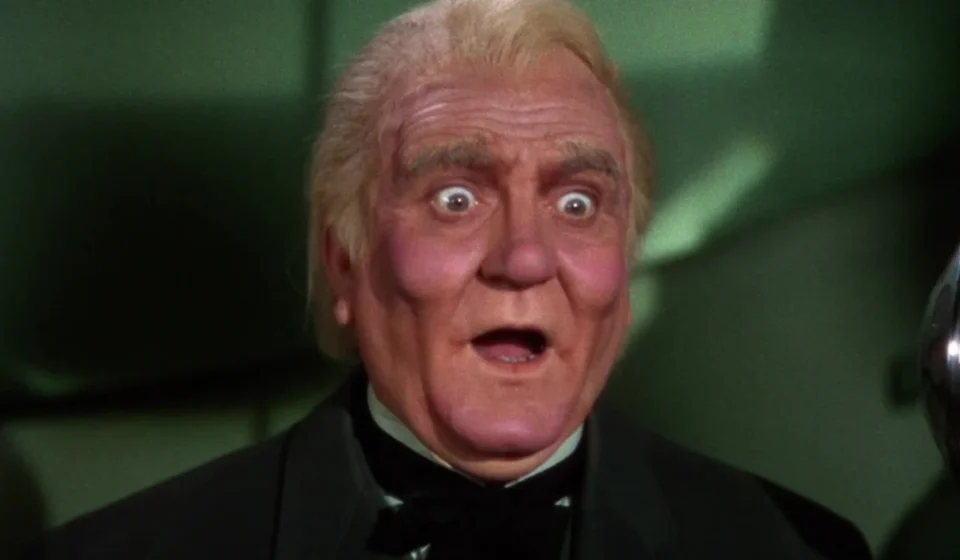
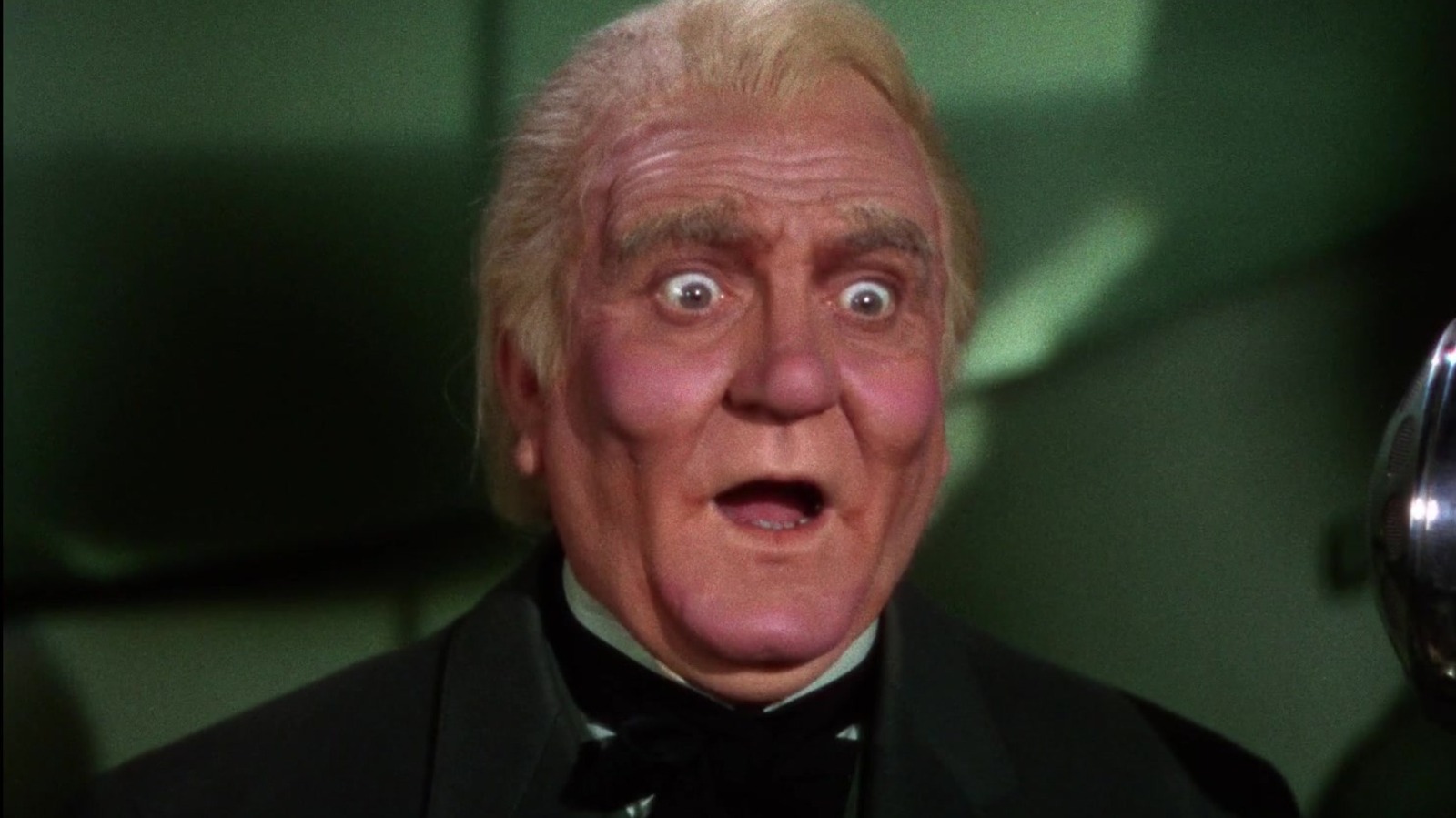
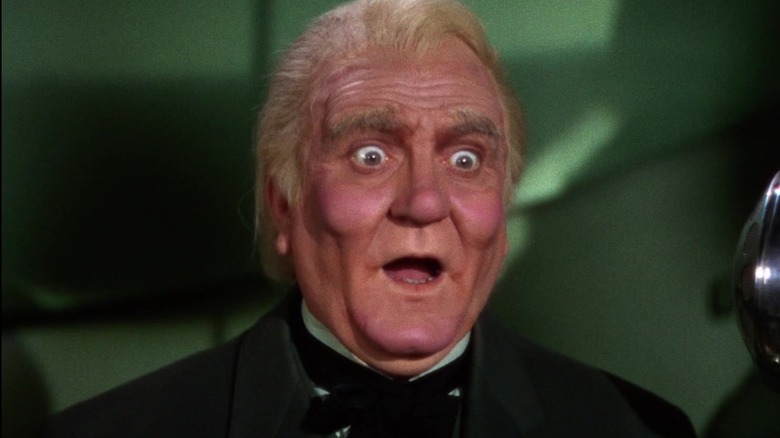
Frank Morgan, playing the Wizard, brings a classic stage-actor bombast that contrasts sharply with the grounded, earnest portrayal of Dorothy. Similarly, the "heart" of the film—the Tin Man (Jack Haley), the Scarecrow (Ray Bolger), and the Cowardly Lion (Bert Lahr)—each carry the echoes of their vaudeville roots. Their accents, movements, and comedic timing feel like artifacts of a pre-Hollywood era, which only adds to the film’s timeless, dreamlike quality.
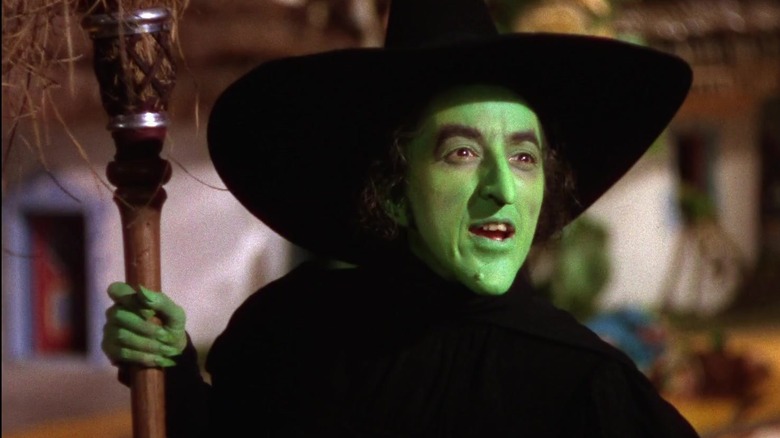
The performance of Margaret Hamilton as the Wicked Witch of the West remains the gold standard for cinematic villainy. Her portrayal—honed by her background as a former kindergarten teacher, perhaps informing her understanding of how to command a room—defined the archetype of the witch for a century. She brought a terrifying, yet essential, gravity to the film that allowed Garland’s Dorothy to shine as the ultimate vessel of empathy and courage.
The Enduring Legacy
To analyze The Wizard of Oz today is to study a template for the modern blockbuster. Every story about an "everyman" whisked away to a strange land—from Alice in Wonderland reinterpretations to the sprawling epic of The Lord of the Rings—owes an irredeemable debt to this 1939 classic.
Joseph Campbell’s "Hero’s Journey" finds one of its most potent expressions here. The narrative arc—the departure from the mundane (sepia-toned Kansas), the initiation into a supernatural world (the Technicolor Oz), and the return with a newfound understanding of "home"—has become the blueprint for Western storytelling.
Perhaps the most remarkable aspect of The Wizard of Oz is that it has survived the exhaustion of over-analysis. Despite being relitigated, dissected, and imitated for nearly nine decades, the film retains an uncanny ability to feel fresh. It is not merely a movie; it is an environment. Whether watched on a giant screen in Las Vegas or on a television at home, the film provides a sense of comfort that few other works can replicate.
As we mark the 87th anniversary, we aren’t just celebrating a film that eventually made its money back. We are celebrating the triumph of imagination over industry. MGM may have initially viewed the project as a fiscal failure, but time has proven that The Wizard of Oz is, in fact, one of the most successful cultural investments in human history. It reminds us that while the box office numbers of 1939 were underwhelming, the currency of a true masterpiece is not measured in dollars, but in the enduring capacity to inspire wonder in the hearts of those who follow the yellow brick road.