From Suburbia to the Cretaceous: David Robert Mitchell’s ‘The End of Oak Street’ and Its Sci-Fi DNA

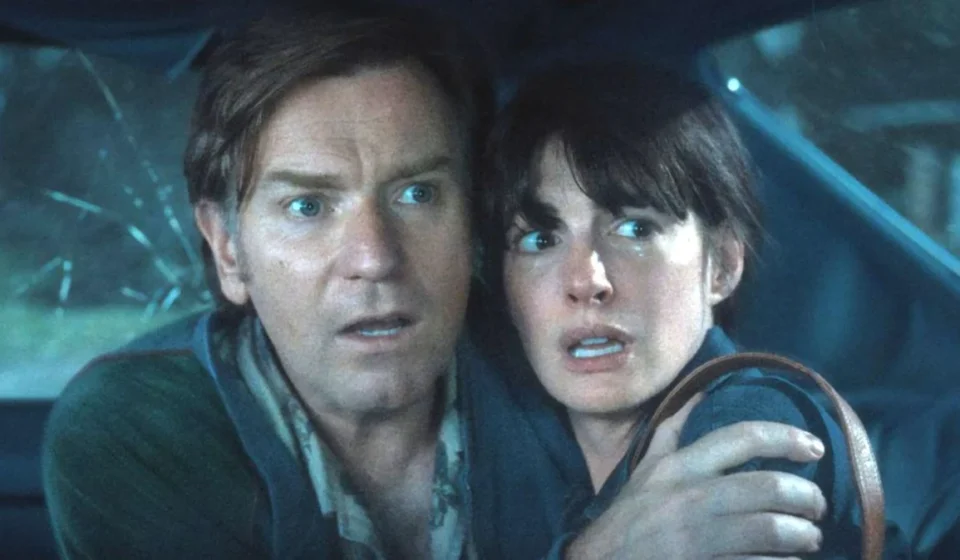
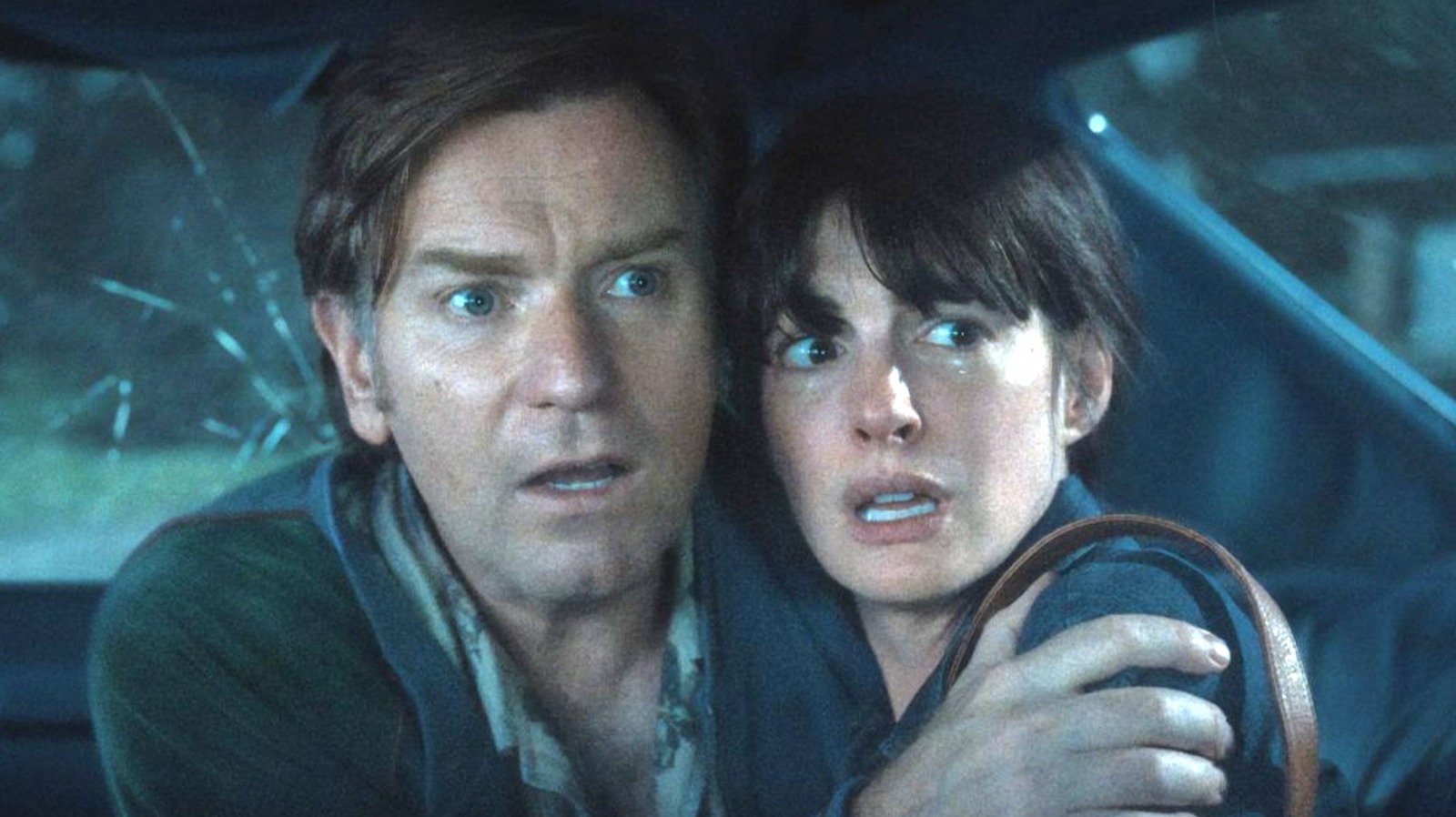
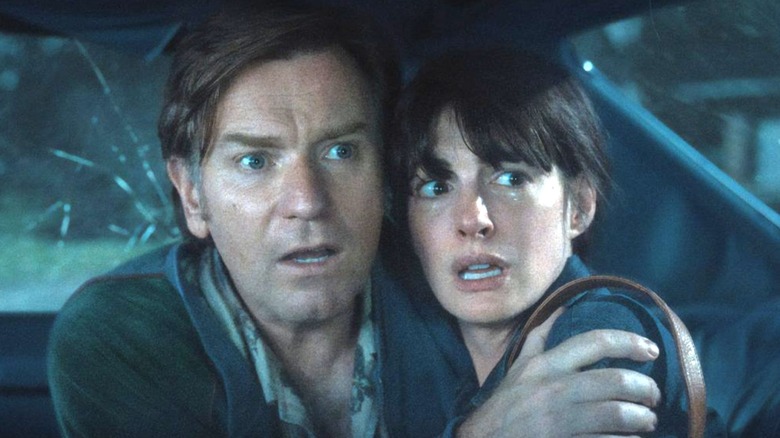
The premise of David Robert Mitchell’s highly anticipated upcoming feature, The End of Oak Street, reads like the fever dream of a 1970s television executive. A quintessential, cookie-cutter American neighborhood is suddenly, inexplicably plucked from its foundations and transported millions of years into the past, landing squarely in the middle of the Cretaceous period. As suburban residents—led by Anne Hathaway and Ewan McGregor—grapple with the existential terror of apex predators roaming their cul-de-sacs, the film promises a harrowing blend of domestic drama and high-concept science fiction.
However, beneath the prehistoric carnage and the mid-century suburban aesthetic lies a deep reverence for the genre’s history. As audiences parse through the promotional material for the film, one specific detail has emerged as a focal point for genre enthusiasts: the name of the family’s dog, Starbuck. In a recent Q&A, director David Robert Mitchell confirmed that this is no mere coincidence, but a deliberate nod to one of the most iconic figures in science fiction television: Battlestar Galactica.
The Genesis of a High-Concept Thriller
David Robert Mitchell, the visionary auteur behind the atmospheric horror hit It Follows and the neo-noir cult classic Under the Silver Lake, has long demonstrated an affinity for subverting genre expectations. While the basic premise of The End of Oak Street might conjure memories of the whimsical, low-budget adventures of Sid & Marty Krofft’s Land of the Lost, early reports and trailer footage suggest a far more somber trajectory.
With J.J. Abrams serving as an executive producer, the film leans into the "mystery box" sensibilities that have come to define modern blockbuster storytelling. Yet, those familiar with Mitchell’s filmography expect the project to eschew typical "sprightly whimsy" in favor of the visceral, character-driven tension that defined his previous work. In the film, the family’s realization that their reality has been irrevocably altered is triggered not by a high-tech alarm, but by the frantic, desperate barking of their dog, Starbuck, as he reacts to an otherworldly, eerie glow emanating from the neighborhood’s periphery.
Chronology of a Call-Sign: The Starbuck Legacy
To understand the weight of this easter egg, one must look at the lineage of the name "Starbuck" within the pantheon of science fiction. The name first gained prominence in the cultural zeitgeist through the 1978 original Battlestar Galactica.
The Original Pilot (1978)
In the original series, Lieutenant Starbuck, portrayed by Dirk Benedict, was the quintessential "space cowboy." Modeled after the roguish charm of Han Solo, the original Starbuck was a hotshot pilot defined by his gambling addiction, his penchant for cigars, and his womanizing nature. He served as the flashy, unreliable, yet undeniably heroic foil to Richard Hatch’s disciplined Captain Apollo.
The Reimagined Hero (2003)
The character underwent a radical transformation during Ronald D. Moore’s 2003 Battlestar Galactica reboot. Katee Sackhoff stepped into the flight suit, reimagining Starbuck not as a suave rogue, but as a deeply flawed, complex individual struggling with trauma, self-worth, and Borderline Personality Disorder. The reboot turned the name "Starbuck" into a callsign—the true identity being Kara Thrace—and grounded the character in a gritty, militaristic reality that prioritized psychological depth over 1970s pulp sensibilities.
The inclusion of this name in The End of Oak Street serves as a bridge between these two distinct eras of science fiction. Whether the dog is named for the roguish gambler of the 70s or the tortured pilot of the 2000s remains up to interpretation, but the resonance of the name is undeniable.
Official Commentary: Mitchell’s Intentions
During a recent promotional Q&A event, /Film’s Bill Bria pressed the director on the origins of the canine character’s name. When asked if the dog was named for the biblical-adjacent character from Herman Melville’s Moby-Dick or the space-faring pilot, Mitchell was unequivocal.
"It was Battlestar Galactica," Mitchell stated, effectively putting the speculation to rest.
Beyond the meta-textual reference, Mitchell emphasized the functional role the dog plays within the narrative structure of the film. "I love Starbuck. It’s wonderful," Mitchell told the audience. "Again, it’s connecting to this family. I have dogs. I know the way that we see the world and the ways in which they help connect family, and I think that seeing the movie, connecting with Starbuck helps us be drawn in."
By framing the dog as the emotional anchor for the family—and by extension, the audience—Mitchell suggests that the Battlestar Galactica reference is more than just a wink to the camera. It is a symbol of loyalty, resilience, and the chaotic nature of survival in an environment that is fundamentally hostile to the human condition.
Thematic Implications and Genre Expectations
The choice of "Starbuck" also carries heavy thematic weight when considering the tone of The End of Oak Street. In the Battlestar Galactica universe, the characters are perpetually running, surviving, and questioning the nature of their reality. By naming a central, vulnerable character after such a figure, Mitchell potentially signals to his audience that the family in Oak Street is in for a long, arduous journey.
The "Mystery Box" Factor
With J.J. Abrams’ involvement, the film is expected to emphasize the "why" and the "how" of the neighborhood’s disappearance. If The End of Oak Street follows the pattern of modern sci-fi thrillers, the dog’s behavior will likely be our primary indicator of the supernatural or scientific forces at play.
Emotional Extremity
Mitchell has a reputation for placing his protagonists in situations that push them to their psychological breaking points. In It Follows, the horror was relentless and inevitable. In Under the Silver Lake, the paranoia was pervasive. In Oak Street, the presence of a pet acts as a moral compass. If the dog is named after a character who is synonymous with survival against impossible odds, it suggests that the film will focus on the resilience of the family unit amidst the extinction-level event occurring outside their front door.
Conclusion: A Love Letter to Sci-Fi
David Robert Mitchell’s confirmation of the Battlestar Galactica easter egg serves as a reminder that even the most grounded, character-focused dramas often draw their inspiration from the expansive worlds of genre fiction. Whether the dog ultimately mirrors the luck of the original Starbuck or the tragic heroism of the reimagined Kara Thrace is a question that will be answered when The End of Oak Street hits theaters.
For now, the inclusion of the name provides a comforting, familiar touchstone in what promises to be a deeply unsettling and ambitious cinematic experience. It is a testament to the enduring power of legacy characters—and perhaps, a subtle hint that in the face of prehistoric monsters and impossible temporal shifts, you need a pilot with nerves of steel to guide you home.