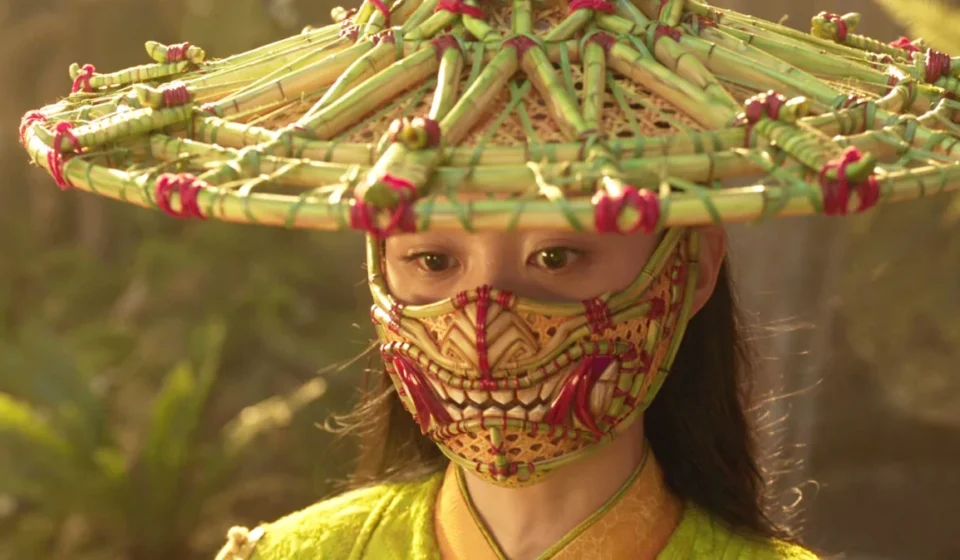
Five Years Later: Why ‘Shang-Chi and the Legend of the Ten Rings’ Remains the Gold Standard of the 2020s

The landscape of modern cinema is often defined by its shifts in momentum. In the 2010s, the superhero genre experienced an unprecedented golden age, anchored by the Marvel Cinematic Universe (MCU) and the seismic cultural impact of films like The Avengers. However, as the industry transitioned into the 2020s, the genre faced a volatile climate characterized by shifting audience expectations, the lingering effects of the COVID-19 pandemic, and a noticeable fatigue regarding formulaic tentpole releases.
Amidst this turbulent era, one film stands out as a beacon of creative and commercial viability: Shang-Chi and the Legend of the Ten Rings. Released on September 3, 2021, the film didn’t just introduce a new hero; it recalibrated what an MCU origin story could achieve. Five years after its debut, the film remains not only one of the most successful entries of the decade but also a critical study in how to navigate the complexities of modern blockbuster filmmaking.
Main Facts: A Watershed Moment for Marvel
Directed by Destin Daniel Cretton, Shang-Chi arrived at a time when the theatrical experience was in a state of existential crisis. With audiences hesitant to return to cinemas and the industry scrambling to find a new rhythm, Shang-Chi provided a much-needed shot in the arm.
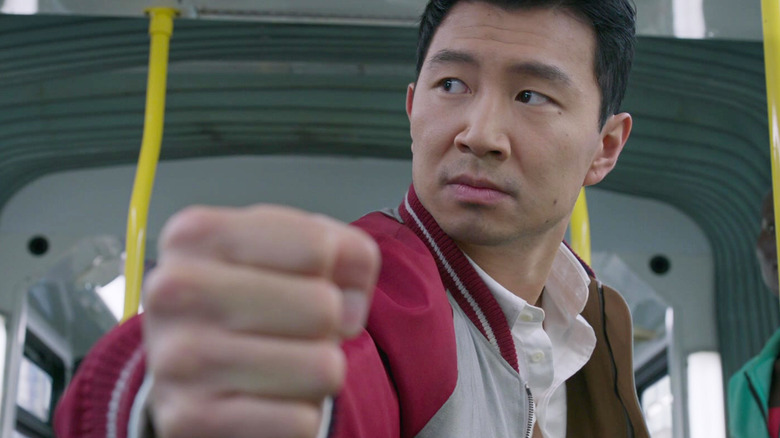
The narrative follows Shaun (Simu Liu), a mild-mannered valet living in San Francisco, whose quiet life is shattered when he is forced to confront his past. The plot delves into his relationship with his father, Xu Wenwu (Tony Leung), the immortal leader of the Ten Rings organization. The film successfully navigated a difficult narrative tightrope: it had to address the legacy of the "fake" Mandarin—the satirical character portrayed by Ben Kingsley in Iron Man 3—and replace it with a nuanced, menacing, and deeply human antagonist. By grounding the story in themes of generational trauma, familial duty, and self-discovery, the film elevated itself above the standard "save the world" trope.
Chronology of an Origin
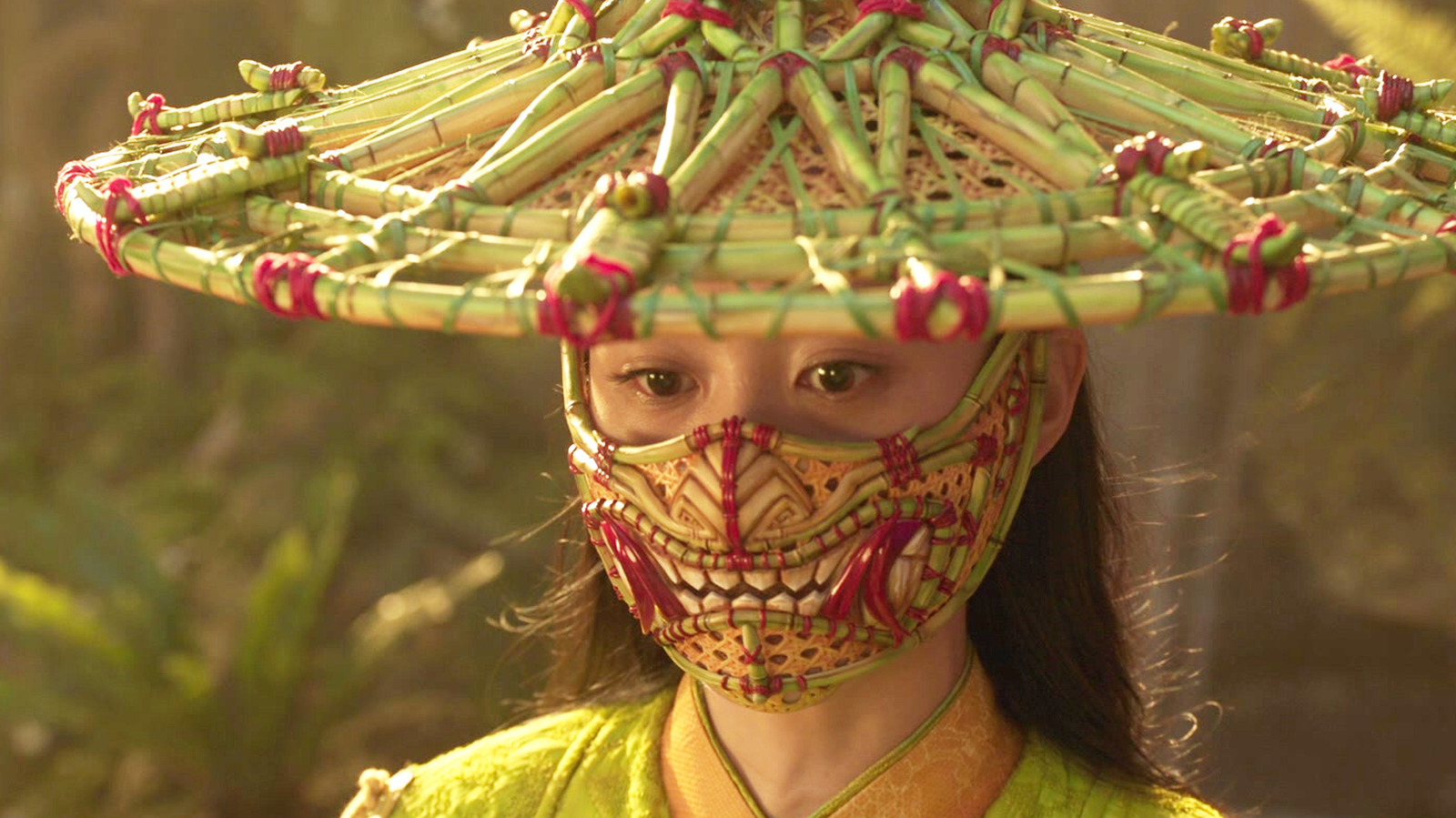
The journey of Shang-Chi is a testament to calculated risk-taking.
- Pre-Production (2019-2020): Marvel Studios officially announced the project, signaling a commitment to diversifying its roster of lead characters. The casting of Simu Liu was met with widespread enthusiasm, providing the franchise with its first Asian-American lead.
- The Pandemic Hurdle (2020-2021): Production was heavily impacted by the global health crisis. Despite these delays, the film maintained a tight vision, focusing on practical stunt work and authentic cultural representation.
- The Theatrical Premiere (September 3, 2021): The film opened in theaters with an exclusive window, a bold decision at a time when many studios were experimenting with day-and-date streaming releases. It defied expectations by grossing $146 million globally in its opening, proving that audiences were still hungry for the theatrical experience.
- Post-Release (2021-Present): Following the film’s success, Marvel announced that Destin Daniel Cretton would return for a sequel. However, the years following have seen the project languish in development, leaving fans to wonder when the Master of Kung Fu will return to the spotlight.
Supporting Data: The Benchmark of Success
When evaluating the success of Shang-Chi, one must compare it against the broader context of the 2020s superhero landscape. While films like Spider-Man: No Way Home and The Batman achieved massive commercial success, the decade has been marked by a string of high-profile disappointments.
- The "Franchise Launch" Struggle: Since 2020, very few new standalone superhero franchises have successfully taken flight. Marvel’s Eternals struggled to resonate with critics and audiences, while Sony’s Morbius and Madame Web became synonymous with the genre’s perceived decline. DC’s attempts to jumpstart new characters with Black Adam and Blue Beetle failed to yield the financial results required to greenlight immediate sequels.
- Critical Acclaim: Shang-Chi maintains one of the highest Rotten Tomatoes scores for any post-Endgame MCU film. Critics consistently praised the "scaffolding fight" scene—a sequence that utilized grounded, kinetic choreography rather than overwhelming CGI—as a standout moment that reminded audiences why they fell in love with action cinema in the first place.
- Box Office Performance: In an era where "superhero fatigue" is frequently cited as a primary reason for box office underperformance, Shang-Chi proved that a fresh, character-driven story could still dominate the charts, provided the quality of the filmmaking remains high.
Official Responses and Creative Development
The path to a sequel has been complex. Lead actor Simu Liu has been vocal about the delays, acknowledging the frustration shared by fans who expected a follow-up years ago. However, Marvel’s commitment to the character remains clear; Liu is slated to appear in the highly anticipated Avengers: Doomsday. This inclusion suggests that while a solo sequel is still in flux, the character of Shang-Chi is considered a cornerstone of the next major MCU crossover event.
The delay of the sequel is often attributed to the shifting priorities of Marvel Studios, which has been recalibrating its release slate following the mixed reception of Phase 4 and Phase 5 projects. Despite these internal shifts, the studio has consistently cited Shang-Chi as a model for how to integrate new heroes into an established cinematic universe without relying solely on cameos or existing legacy characters.
The Broader Implications: Why It Matters
The legacy of Shang-Chi and the Legend of the Ten Rings lies in its refusal to be just another "content" drop. In an era where superhero movies have often been criticized for feeling like advertisements for future installments, Shang-Chi stands as a complete, self-contained story.
The Shift Toward Quality Over Quantity
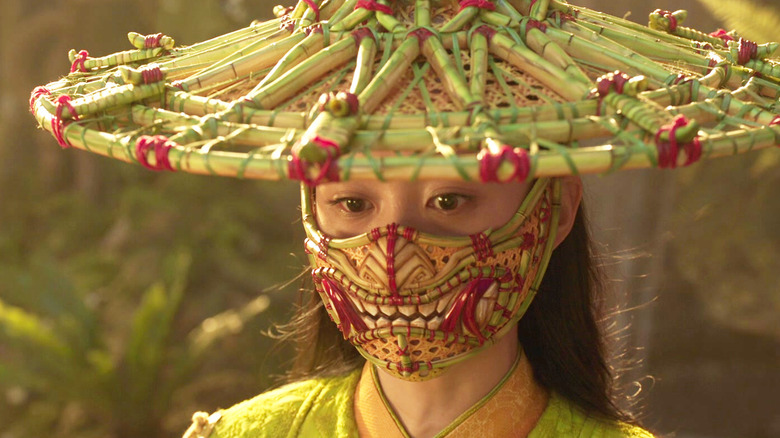
The success of the film highlights a critical lesson for the industry: audiences respond to distinct stylistic choices. By blending Wuxia-inspired action with the scale of a Marvel blockbuster, the film created a unique visual identity. The decision to emphasize practical stunt work—a rarity in contemporary big-budget films—has aged remarkably well.
Representational Impact
Beyond the technical achievements, the film proved that representation is not just a moral imperative but a commercial one. By centering an Asian-American protagonist and exploring themes specific to the immigrant experience and familial reconciliation, Marvel tapped into an audience segment that had long been underrepresented in the blockbuster space.
A Cautionary Tale for Sequels
Finally, the delay of Shang-Chi 2 serves as a cautionary tale regarding momentum. In the fast-paced world of modern media, five years is a lifetime. The fact that the film is still discussed as a "best of" the decade—despite the lack of a follow-up—is a testament to the film’s strength. However, it also highlights the dangers of allowing successful properties to sit on the shelf too long. As the MCU looks toward its future, Shang-Chi stands as a reminder that the genre can thrive, provided it maintains a focus on narrative integrity, grounded character work, and a willingness to step away from the assembly-line approach to filmmaking.
Five years later, the legend of the Ten Rings hasn’t just survived; it has endured. It remains a high-water mark for the 2020s, a film that balanced spectacle with heart, and a definitive answer to those who claim the superhero genre has nothing left to say.