Beyond the Cul-de-Sac: Deconstructing the Visual Spectacle of ‘The End of Oak Street’

In the landscape of modern cinema, few directors possess the distinct, genre-bending sensibilities of David Robert Mitchell. Known for his ability to weave dread into the fabric of the mundane, Mitchell’s latest feature, The End of Oak Street, serves as his most ambitious project to date. Starring Hollywood powerhouses Anne Hathaway and Ewan McGregor as the heart of the beleaguered Platt family, the film is a masterclass in atmospheric tension, suburban existentialism, and high-concept visual effects.
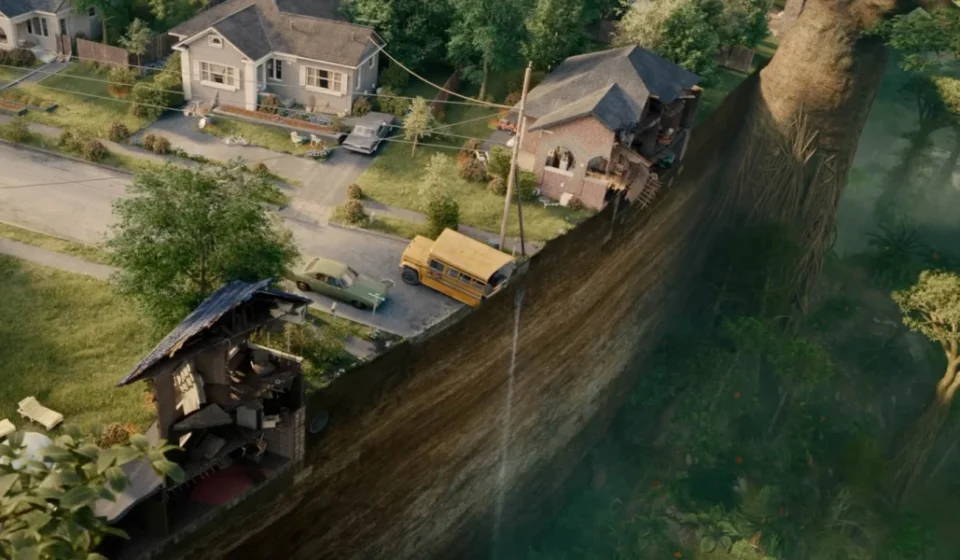
The film, which has captured the attention of critics and audiences alike, centers on a seemingly ordinary neighborhood that undergoes a radical, reality-warping shift. When a mysterious, cataclysmic event transports their cul-de-sac into an unknown temporal and spatial void, the residents are forced to confront the fragility of their domestic lives. In the latest installment of The VFX Show, our panel of industry experts—Matt Wallin, Jason Diamond, and Mike Seymour—pulls back the curtain on the technical wizardry, narrative risks, and aesthetic choices that define this cinematic puzzle.
Main Facts: A Suburb Out of Time
The End of Oak Street is not merely a disaster film; it is a psychological exploration of isolation. The narrative follows the Platt family as they grapple with the sudden disappearance of their familiar world. As the environment shifts, the film leans into a retro-futuristic aesthetic that blurs the lines between suburban comfort and uncanny horror.
The production was defined by its heavy reliance on practical set extensions coupled with cutting-edge digital environment building. Mitchell, working alongside his visual effects supervisors, sought to create a sense of displacement that felt tactile rather than purely algorithmic. For Hathaway and McGregor, the film required a restrained, nuanced performance style to ground the high-concept premise in genuine human emotion. The result is a film that functions as both a domestic drama and a surrealist thriller, challenging the audience to ask: If your world ended, would you truly recognize the place you called home?
Chronology: The Making of an Anomaly
The development of The End of Oak Street was a protracted process, characterized by meticulous pre-production and a rigorous post-production schedule aimed at perfecting the "time-bending" sequences.
- Early 2025: Mitchell completes the screenplay, focusing on the script’s architectural requirements. The design team begins scouting for locations that could be modified into the "Platt neighborhood."
- Summer 2025: Principal photography commences. Production design focuses on building a cohesive, believable suburban space that can be subtly dismantled through VFX in post-production.
- Late 2025 – Mid 2026: The visual effects team begins the heavy lifting. The challenge was not just creating the "unknown" space, but ensuring the transition from the familiar to the surreal remained seamless to the viewer’s eye.
- September 2026: The film premieres to significant buzz, coinciding with a deep-dive analysis by the fxguide team, who scrutinized the rendering pipelines and compositing techniques used to achieve the film’s distinctive look.
Supporting Data: The Technical Underpinning
During the latest episode of The VFX Show (Episode 309), the panel dissects the specific filmmaking choices that make The End of Oak Street a technical marvel. The discussion highlights the following:
The Integration of Practical and Digital
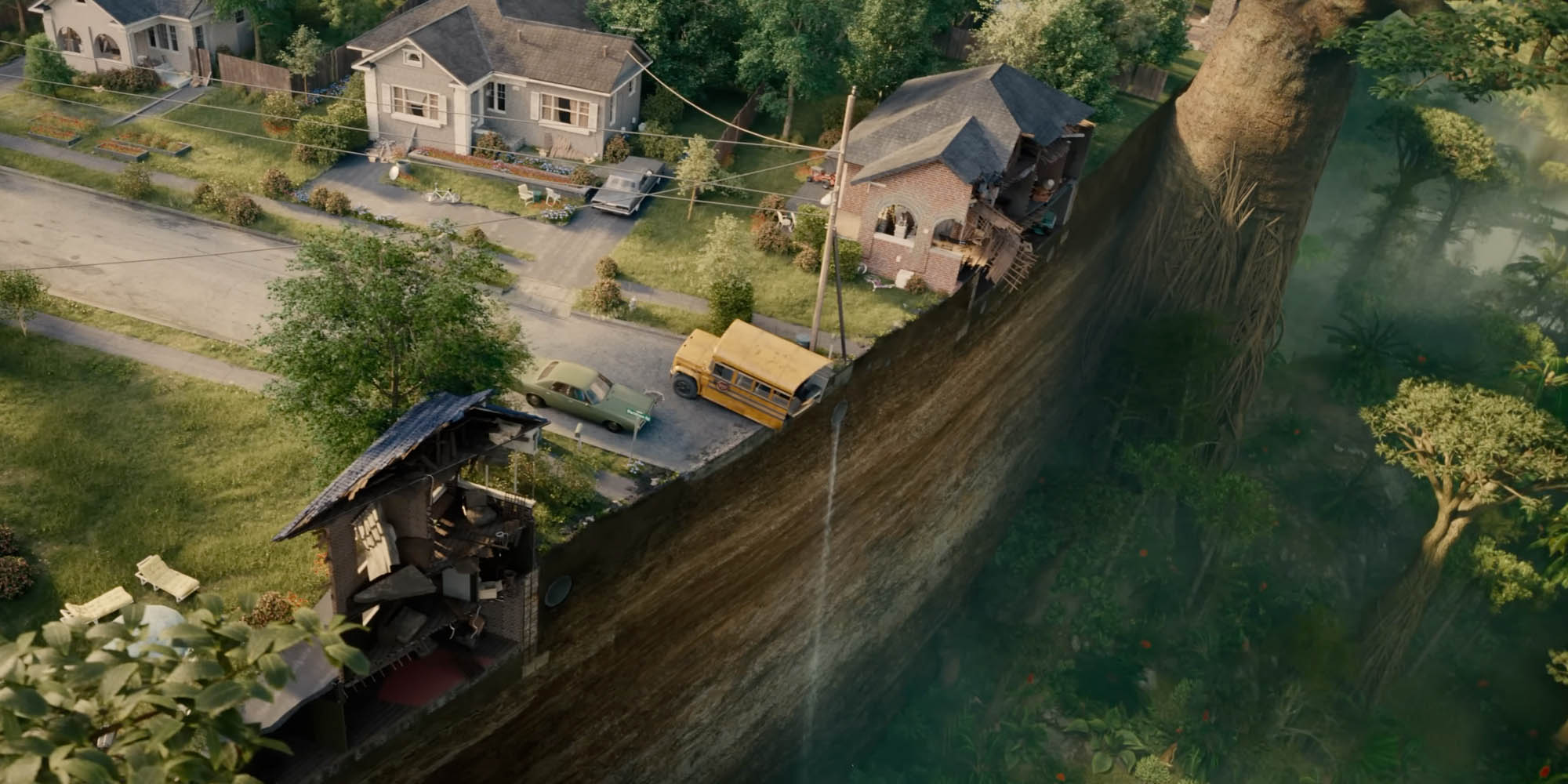
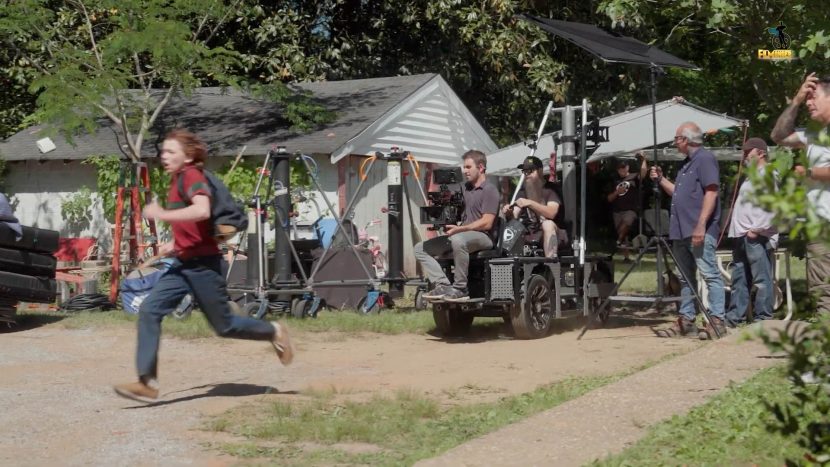
One of the most praised aspects of the film is the balance between physical set builds and digital matte painting. Rather than relying entirely on green screens, Mitchell utilized large-scale physical sets that were later "eroded" via VFX. This provided the actors with a tangible environment to inhabit, which is reflected in the grounded nature of their performances.
Lighting and Temporal Displacement
The "time-shifting" sequences presented the greatest technical hurdle. The lighting team had to maintain a consistency that suggested a sun that no longer followed Earth’s laws of physics. The panel notes that the color grading choices—shifting from warm, nostalgic golden-hour hues to sterile, monochromatic blues—served as a primary narrative driver, signaling the Platt family’s descent into the unknown.
The "Microscope" Analysis
The panel debates the efficacy of the film’s third act. While the visual effects are universally lauded for their technical proficiency, the panel engages in a spirited discussion regarding whether the visual spectacle ever threatens to overshadow the emotional stakes of the narrative. It is a classic debate of style versus substance, though in the case of The End of Oak Street, the consensus leans toward a rare, successful synthesis of both.
Official Responses and Creative Vision
Director David Robert Mitchell has been vocal about the importance of the neighborhood as a character in its own right. In interviews, he has noted that the project was designed to evoke the feeling of "the walls closing in," quite literally.
"The VFX weren’t there to create a spectacle," Mitchell noted in a production brief. "They were there to strip away the comforts of the Platt family. We wanted the audience to feel the same disorientation that the characters felt."
The leads, Hathaway and McGregor, have credited the collaborative environment on set for their ability to navigate the complex, often abstract scenes. McGregor described the process as "an exercise in trust," noting that when one is staring at a blue void that will eventually become a temporal distortion, the connection between the actors is the only thing that keeps the scene grounded.
Implications: The Future of Genre Filmmaking
The success of The End of Oak Street—both critically and technically—signals a shift in how mid-budget, high-concept films are produced. By prioritizing atmospheric world-building over simple, action-oriented spectacle, Mitchell has provided a roadmap for filmmakers looking to marry indie-style character studies with blockbuster-tier VFX.
The Impact on VFX Pipelines
From a technical standpoint, the film serves as a case study for "invisible VFX." The techniques used to render the shifting neighborhood have already begun to influence discussions within the visual effects community regarding the efficiency of hybrid production pipelines. Studios are now looking at the Oak Street model to determine how they can maximize the production value of smaller films without the need for massive, sprawling CGI sequences.
A New Standard for Suburban Gothic
Furthermore, the film has solidified the "Suburban Gothic" subgenre as a viable commercial entity. By taking the classic American dream and turning it into a site of existential dread, Mitchell has tapped into a cultural nerve. Audiences are clearly hungry for stories that examine the instability of modern life, and The End of Oak Street provides a potent, if terrifying, mirror to those anxieties.
Conclusion: Join the Conversation
As the dust settles on the release, the debate continues to rage. Was the ending a stroke of genius, or an abstract step too far? Does the technical complexity of the visual effects serve the narrative, or does it occasionally distract from the Platt family’s struggle?
We invite you to listen to the full breakdown on The VFX Show, where Matt Wallin, Jason Diamond, and Mike Seymour offer their final verdicts. The team encourages viewers to reach out with their own thoughts and interpretations of the film’s ambiguous conclusion.
The neighborhood may be gone, but the discussion is just beginning. As we look back on the choices made by the production team, we see a film that is destined to be studied for years to come. Whether you found the journey cathartic or unsettling, one thing is certain: you will never look at your own street in quite the same way again.
For more technical insights and to participate in the ongoing debate, subscribe to the fxguide podcast on Apple, Spotify, or your preferred platform, and join our growing community on the fxguide YouTube channel.