A Spell Retained: Why ‘Practical Magic 2’ Is the Rare Legacy Sequel That Actually Works

Twenty-eight years after audiences first stepped into the atmospheric, herb-scented kitchen of the Owens sisters, the cinematic landscape has shifted dramatically. In an era dominated by relentless franchise revivals and high-stakes cinematic universes, the return of Practical Magic—the 1998 cult classic that initially stumbled at the box office before becoming a sacred text for millennial viewers—feels like a daring, if not entirely unexpected, act of conjuration.
Directed by Susanne Bier, Practical Magic 2 reunites Academy Award winners Sandra Bullock and Nicole Kidman, once again stepping into the shoes of Sally and Gillian Owens. While contemporary studio revivals often fall prey to the “nostalgia trap,” failing to justify their existence beyond the bottom line, Practical Magic 2 offers something rare: a continuation that feels earned, grounded, and deeply human.

The Resurrection of an Owens Legacy
The narrative arc of the sequel begins by subverting the hard-won "happily ever after" of the original film. For the uninitiated, the 1998 original—directed by Griffin Dunne—was a tonal tightrope walk, blending domestic drama, light horror, and whimsical romance. It was a film that famously featured the burial of a corpse beneath a rose bush, a plot point that has since become a shorthand for the franchise’s peculiar, dark-fantasy charm.
Practical Magic 2 does not attempt to retcon the past. Instead, it leans into the established mythology of Alice Hoffman’s beloved book series, which continued to expand the Owens family history long after the first film concluded. The script, crafted by a powerhouse writing team including Akiva Goldsman (returning from the original), Succession veteran Georgia Pritchett, and Cruella scribe Kelly Marcel, posits that the sisters only broke a fragment of their ancestral curse in 1998.

The central conflict is driven by the realization that Sally, in a desperate attempt to shield her daughters, Kylie (Joey King) and Antonia (Maisie Williams), has spent nearly three decades suppressing their magical heritage. By erasing their memories of the supernatural, she inadvertently left them vulnerable to the lingering shadow of Maria Owens—the 17th-century matriarch whose own heartbreak set the family’s cycle of doomed love in motion.
A Chronology of the Curse
The film’s structure masterfully interweaves the past and present. We find Sally mourning a second tragic loss, her steely exterior a fortress against further grief. Gillian, meanwhile, has spent the intervening years traveling and attempting to live life at a distance, though her connection to her sister remains the film’s beating heart.

The catalyst for the film’s inciting action is the introduction of Gideon (Xolo Maridueña), a young man who captures Kylie’s heart, only to find himself in the crosshairs of the ancient, re-emerging curse. When the danger becomes undeniable, the narrative shifts from the quiet, domestic life of the Owens home in Massachusetts to an international pursuit.
The Owens women must trace the roots of their lineage to England, uncovering the tragic truth behind Maria Owens’ original betrayal. This geographic expansion—moving away from the iconic home—is a risky maneuver that occasionally threatens the intimate, "handmade" quality that fans cherish. However, the film avoids the common mistake of prioritizing spectacle over substance, keeping the focus tightly on the family dynamic.

The Chemistry of a Sisterhood
The film’s greatest triumph is undeniably the rapport between Bullock and Kidman. Their reunion is not merely a nostalgia play; it is a masterclass in screen chemistry. Kidman, as the impish, free-spirited Gillian, brings a vivacious, youthful energy to the role, balancing her trademark sparkle with a newfound depth of character. She portrays the "sensitive nerve ending" of the family, acting as the catalyst who pushes her niece—and her sister—to reclaim their power.
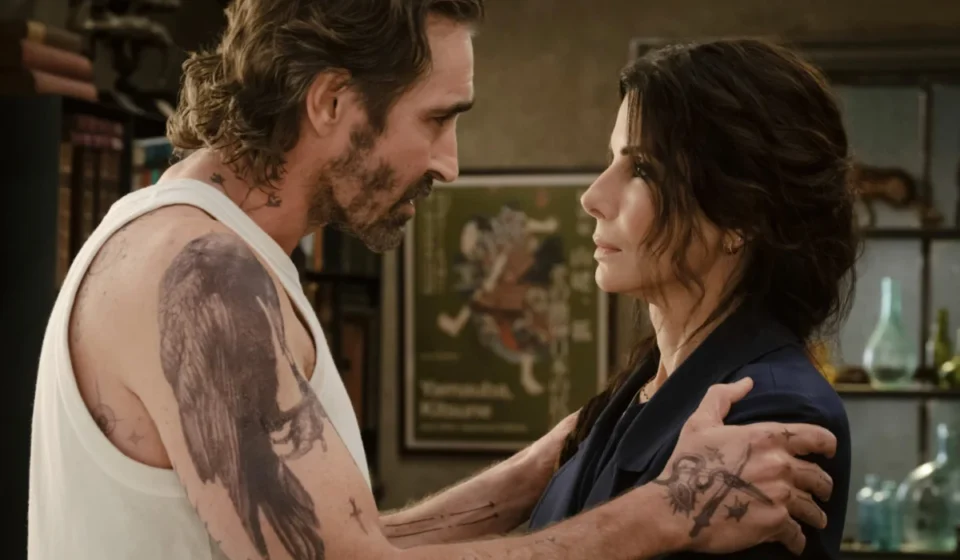
Bullock, meanwhile, delivers a performance of profound, controlled vulnerability. As Sally, she embodies the weight of maternal responsibility and the fear of loss. The film explores the idea that magic is not just about spells and potions, but about the courage to be vulnerable. Her chemistry with Lee Pace, who plays the mysterious Professor Ian Wright, provides a grounded, often dorky, and deeply moving romantic subplot that highlights the tragedy and the hope inherent in the Owens name.

Supporting performances, however, are a mixed bag. While Joey King brings a relatable, modern yearning to the role of Kylie, effectively bridging the gap between generations, Maisie Williams’ Antonia remains somewhat recessive. The script struggles to give the younger sister enough narrative space, leaving her character feeling slightly disconnected from the primary emotional stakes.
Official Responses and Creative Vision
Director Susanne Bier brings a distinctively grounded aesthetic to the project. Having worked with Bullock on the tension-filled Bird Box and with Kidman on The Undoing and The Perfect Couple, Bier demonstrates a profound understanding of how to leverage their specific acting strengths. She elevates the material by treating the "magic" not as a CGI spectacle, but as a metaphor for the messy, often painful process of living and loving.

In promotional discussions, the creative team emphasized that this film was not designed to "fix" the original, but to honor the audience that kept it alive. The production design, particularly the costumes and the set pieces, reflects a studio-backed budget that feels polished yet respectful of the original’s gothic-cottagecore aesthetic.
Implications: The Power of Niche Audiences
The existence of Practical Magic 2 holds significant implications for the industry. It proves that legacy sequels can be more than just "IP mining" when they are built upon the foundation of a genuinely devoted fanbase. The film serves as an acknowledgement that "cult status" is a legitimate form of cultural value.

For the industry, the success (or failure) of this project may dictate how studios approach other "comfort watch" classics. By prioritizing the emotional truth of the characters over the need to build a massive, interconnected universe, Practical Magic 2 suggests that there is a viable path for revivals that respect their source material while allowing for the natural maturation of their characters.
Conclusion: A Spell Worth Casting
Practical Magic 2 is a rare example of a sequel that understands its own value. It manages to capture the fleeting, ephemeral joy of a midnight margarita party while acknowledging that life, much like magic, is often defined by what we lose.

While the film is not without its minor structural flaws—such as the occasional reliance on convenient plot mechanics—the warmth of its performances and the sincerity of its themes make it a worthy successor. It asks the audience a simple, vital question: "A life without magic is no life at all; are you brave enough to choose the magic, even if it comes with the risk of heartbreak?"
For fans who have spent nearly three decades waiting for a return to the Owens household, the answer is a resounding yes. The film is a reminder that we don’t just watch these characters to see them perform spells; we watch them to see how they endure. And in that regard, Practical Magic 2 is an absolute triumph.

Grade: B+
Warner Bros. will release ‘Practical Magic 2’ in theaters on Friday, September 10.