From Viral Phenomenon to Feature Horror: The Cinematic Evolution of ‘Backrooms’

The transition of internet-born concepts to the silver screen has rarely been as ambitious—or as structurally intriguing—as the arrival of Backrooms. Directed by Kane Parsons, the visionary behind the viral YouTube series, this feature-length psychological horror film marks a watershed moment in the integration of online "creepypasta" culture into mainstream cinema. Produced under the A24 banner, the film serves as a high-stakes expansion of the liminal space aesthetic that has haunted millions of viewers since its initial inception.
In the latest installment of the VFX Show podcast, hosts Matt Wallin, Jason Diamond, and Mike Seymour dissected the technical, narrative, and atmospheric components of this production. As they explore the film’s journey from a solo creator’s bedroom project to a Hollywood-backed feature, the conversation underscores a pivotal shift in how digital horror is defined and consumed.
The Genesis of a Digital Nightmare: Main Facts
At its core, Backrooms is an exploration of the uncanny. The film’s premise centers on Clark, a furniture store owner played by Academy Award nominee Chiwetel Ejiofor, and his therapist, Mary, portrayed by the critically acclaimed Renate Reinsve. Their discovery of a hidden, infinite dimension—accessed through the mundane confines of a basement—serves as the catalyst for a harrowing journey through reality-defying liminal spaces.
The film is written by Will Soodik and directed by Kane Parsons, whose work on the original Backrooms YouTube series set a new benchmark for indie horror aesthetics. By utilizing low-poly textures, unsettling sound design, and a distinct "found footage" sensibility, Parsons transformed a niche internet urban legend into a global visual language. The leap to feature film has not stripped away this identity; rather, it has amplified it through the resources of A24, allowing for a more immersive and psychologically dense experience.
A Chronological Odyssey: From Creepypasta to A24
The Backrooms phenomenon did not arrive in a vacuum. Its trajectory is a testament to the speed of modern digital cultural dissemination:
- The Conceptual Foundation: The original "Backrooms" concept originated from a 2019 4chan post, which described a yellow-wallpapered, carpeted, and fluorescent-lit labyrinth that existed outside the boundaries of our known reality.
- The Parsons Evolution: Kane Parsons took this foundational premise and injected it with a sophisticated narrative, introducing the "Async Research" organization, which attempted to document and weaponize the dimension. His YouTube series garnered hundreds of millions of views, proving that a dedicated, visual-effects-heavy approach could sustain long-term engagement.
- The Greenlight: Following the massive success of the series, A24 identified the potential for a feature-length expansion. The partnership between a traditional studio and a digital-native creator signaled a shift in how talent is scouted and developed in the 21st century.
- Production and Principal Photography: With Chiwetel Ejiofor and Renate Reinsve attached, the film moved from indie-experimental to a high-budget production, focusing on practical effects and high-fidelity CGI to recreate the surreal environments of the Backrooms.
- The Release and Reception: The current discourse, reflected in the VFX Show podcast, highlights the critical reception of the film as a successful translation of "digital dread" into a traditional three-act narrative structure.
Supporting Data: The Anatomy of the Production
The technical prowess required to bring Backrooms to life is a subject of significant interest for industry professionals. On the VFX Show, the hosts delve into the specific challenges of balancing digital asset creation with the physical performances of actors like Ejiofor.
The Liminal Aesthetic
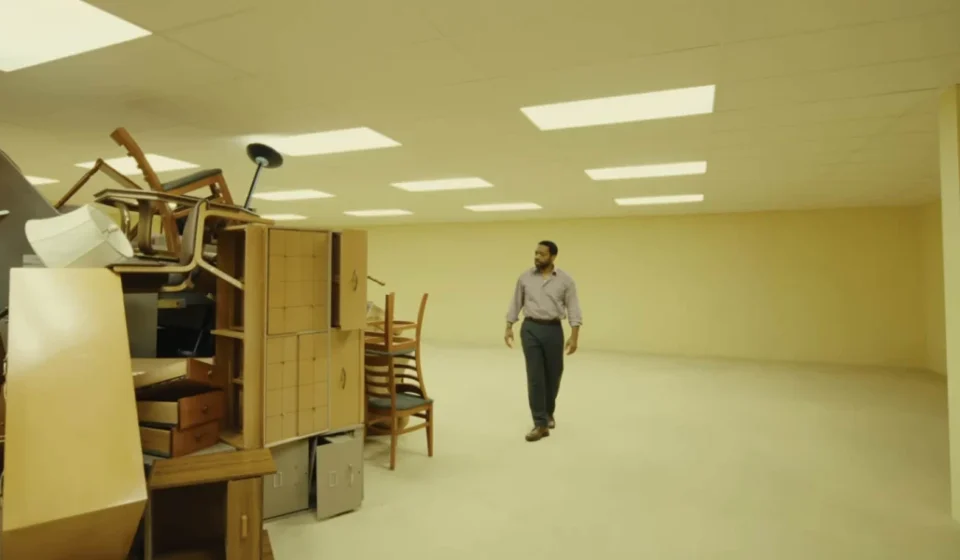
The "liminal space" aesthetic relies on the perception of familiarity coupled with extreme isolation. The film’s art direction utilizes:
- Color Palettes: The pervasive, oppressive yellow of the walls is a deliberate design choice meant to induce anxiety rather than comfort.
- Spatial Geometry: The architecture of the Backrooms is non-Euclidean. The production team utilized complex 3D modeling and rendering techniques to ensure that the environment felt both expansive and claustrophobic.
- Sound Design: A critical component of the Backrooms experience is the "hum-buzz" of the flickering fluorescent lights. The film’s sound team elevated this ambient noise to a psychological weapon, creating a sensory environment that forces the audience to feel the same sensory deprivation as the protagonists.
Casting and Performance
The inclusion of heavy-hitting talent like Chiwetel Ejiofor provides a grounded anchor for the film’s more surreal elements. By casting a furniture store owner as the protagonist, the film creates an immediate bridge between the mundane world of commerce and the infinite, terrifying void of the Backrooms. Renate Reinsve’s role as the therapist serves as the intellectual foil to the horror, attempting to rationalize the irrationality of the space.
Official Responses and Creative Direction
In discussions regarding the film’s production, Kane Parsons has been vocal about maintaining the "soul" of the original project. He notes that the transition to a larger budget was not about "bigger explosions," but rather about "deeper immersion."
The VFX Show hosts noted that the film avoids the pitfalls of over-explaining the horror. In the genre of "liminal horror," the mystery is often more terrifying than the answer. Parsons, along with writer Will Soodik, has maintained a focus on character psychology. The "Async" element, which appeared in the web series, is woven into the film to provide a sense of corporate hubris that mirrors real-world technological advancements.
Mike Seymour, a veteran of the industry and host of the VFX Show, emphasized the difficulty of maintaining a horror tone when working with such massive, open environments. "The challenge," Seymour stated, "is keeping the audience scared when the character is in a space that is so vast they could theoretically run forever. Parsons manages this by closing the walls in on the viewer through sound and framing."
Implications for the Future of Horror Cinema
The success of Backrooms carries significant implications for the entertainment industry. It proves that the "gatekeepers" of traditional cinema are becoming increasingly open to talent groomed on platforms like YouTube and TikTok.
The Democratization of Horror
For decades, the path to directing a feature film was limited to a select few who climbed the traditional ladder. Parsons represents a new guard of filmmakers who have built their own audiences, honed their own visual languages, and demanded the attention of major studios. This shift is likely to encourage more investment in digital-first creators, provided they can demonstrate the ability to handle the collaborative nature of a feature-length set.
The "Creepypasta" Genre
Horror has always relied on urban legends, but the digital age has accelerated the lifecycle of these myths. Backrooms serves as a case study in how to adapt a collaborative internet mythos into a cohesive, singular vision. The implication is that we are likely to see a wave of similar adaptations, where viral internet lore is codified into "franchise" material.
Technical Integration
The use of digital-native techniques in traditional film production is becoming the norm. The VFX Show highlights that the tools used to create the original Backrooms—often accessible, consumer-grade software—are now being integrated into high-end pipelines. This suggests a future where the lines between "indie" and "studio" production continue to blur, favoring creators who are fluent in both artistic storytelling and technical implementation.
Conclusion: A New Standard
The Backrooms film is more than just a horror movie; it is a bridge between two worlds. By bringing the collective anxiety of the internet into a theater, Kane Parsons has proven that horror is the most adaptive of all genres. It thrives on the unknown, and in the digital age, the "unknown" is increasingly found in the strange corners of our screens.
As Matt Wallin, Jason Diamond, and Mike Seymour conclude in their analysis, the true power of Backrooms lies in its ability to make the viewer feel like an intruder in a reality that was never meant for them. Whether or not it spawns a franchise, its impact on the industry is already cemented. For those who follow the evolution of visual effects and narrative horror, Backrooms is an essential study in the power of modern, internet-born storytelling.
For those interested in the technical breakdown of the film, subscribe to the fxguide YouTube channel and follow the VFX Show podcast on Apple, Spotify, or your preferred podcast platform.