The Shadow Over Kuge: Why ‘Gannibal’ Is the International Horror Masterpiece You’ve Been Missing

In an era defined by globalized streaming, it is rare for a television series to achieve the status of a genuine cultural phenomenon in its home country while remaining a well-kept secret to Western audiences. Such is the curious case of Gannibal, the chilling Japanese folk horror series that has redefined the genre on Disney+ and Hulu. While North American subscribers have largely focused on domestic staples, Japanese viewers have been captivated—and deeply unsettled—by a narrative that turns the quiet, picturesque isolation of rural life into a theater of visceral, psychological, and cannibalistic terror.
Based on the critically acclaimed manga by Masaaki Ninomiya, Gannibal is not merely a show; it is a masterclass in atmospheric tension. For those willing to venture into its dark, claustrophobic woods, it offers a two-season journey that stands as one of the most significant, yet overlooked, horror achievements of the 2020s.
The Premise: A Descent into Rural Madness
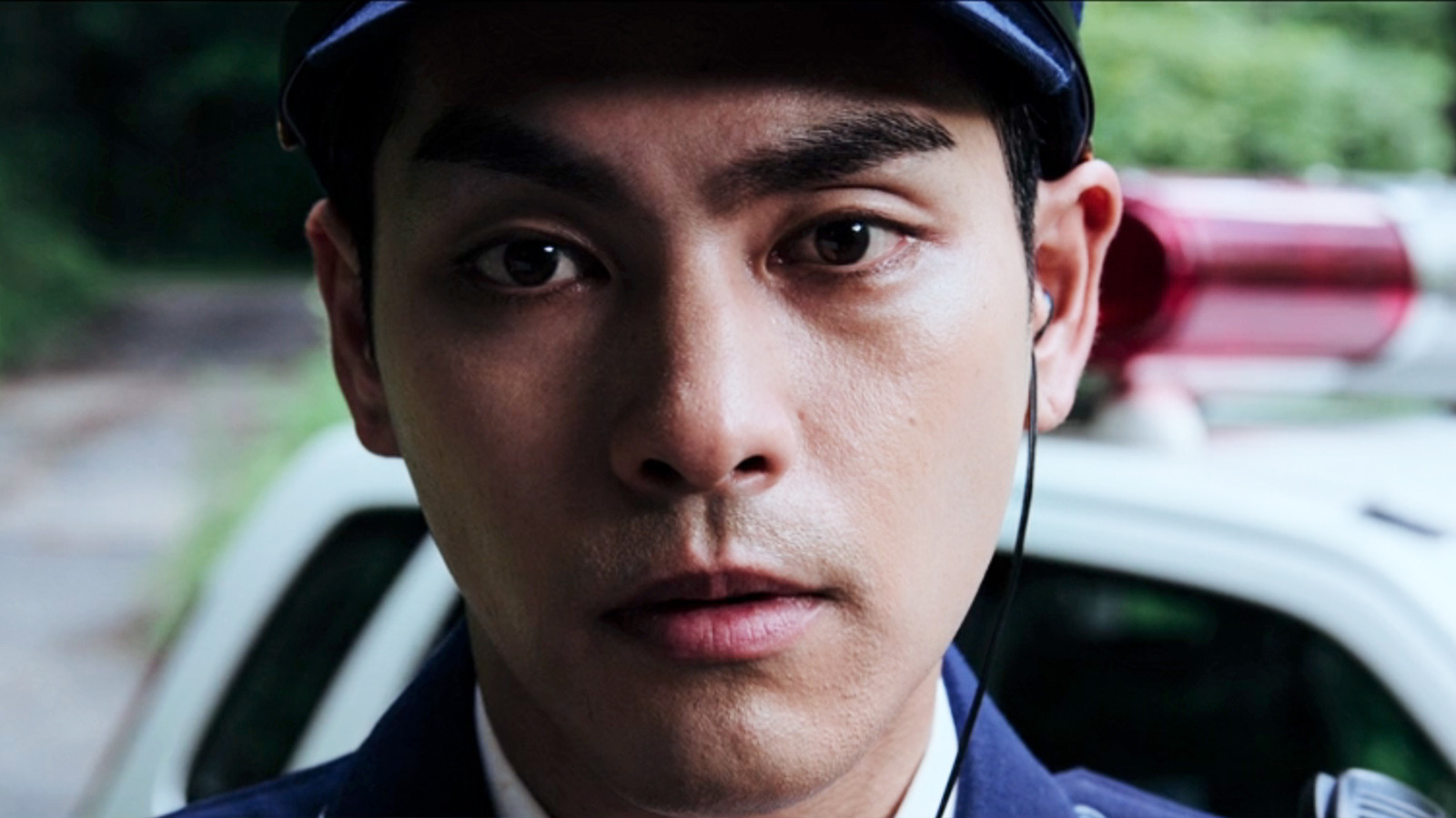
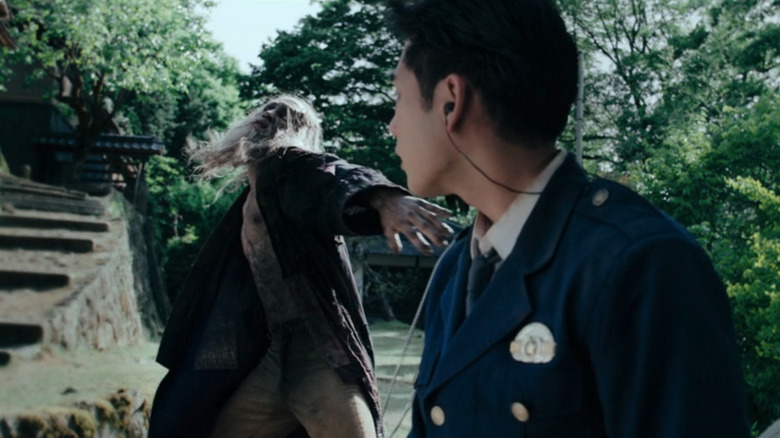
The narrative of Gannibal follows Daigo Agawa (played with haunting intensity by Yuya Yagira), a police officer seeking a fresh start. Following a traumatic incident in Tokyo, Agawa accepts a transfer to the remote mountain village of Kuge. To the outside world, Kuge is a pristine, idyllic hamlet—a place where the air is crisp, the community is tight-knit, and time seems to have stood still.
Agawa arrives with his wife, Yuki (Riho Yoshioka), and their young daughter, Mashiro (Kokone Shimizu), hoping for the peace that only deep-country seclusion can provide. However, the veneer of tranquility begins to peel away almost immediately. The village’s previous police officer has vanished without a trace, leaving behind a series of unanswered questions and a palpable sense of dread.
As Agawa integrates into the community, he encounters the Goto family, an enigmatic clan that exerts total control over Kuge’s social and political landscape. The friction between the outsider officer and the insular, potentially predatory Gotos escalates when the body of an elderly woman is discovered on the mountain. While the locals dismiss her death as a bear attack, Agawa discovers a human bite mark on the corpse. This discovery marks the beginning of a harrowing descent into a conspiracy of silence, ritual, and cannibalism that threatens to consume not just the officer, but his entire family.
Chronology: From Manga Pages to Screen Sensation
The origins of Gannibal lie in the visceral pen of mangaka Masaaki Ninomiya, who serialized the story across thirteen volumes between October 2018 and November 2021. The manga was lauded for its brutal pacing and its ability to balance traditional Japanese folklore with modern psychological thriller elements.
In October 2021, the announcement of a live-action adaptation sparked significant anticipation within Japan. With director Shinzo Katayama at the helm and teleplays crafted by Takamasa Oe, the production team faced the gargantuan task of translating the manga’s claustrophobic art style into a visual medium.
- December 2022: The first season premiered on Disney+ internationally and Hulu in the United States, introducing global audiences to the dark woods of Kuge.
- March 2025: The highly anticipated second season arrived, concluding the adaptation of the original manga.
- April 2025: Following the conclusion of the second season, industry reports from The Hollywood Reporter confirmed that Gannibal had become the most-viewed title on Disney+ in Japan, cementing its status as a landmark of modern Japanese television.
Supporting Data: A Rare Domestic Mega-Hit
While Gannibal did not receive the massive promotional push in the United States that similar genre shows on Netflix might enjoy, its performance in its domestic market is undeniable. The series holds the record as the highest-viewed live-action title on Disney+ in Japan, a testament to the show’s resonance with local audiences who appreciate the subversion of the "rural paradise" trope.
Western viewers who have discovered the show via Hulu have often been vocal about its impact. On platforms like Reddit and Letterboxd, the consensus is remarkably consistent. One user famously compared the experience of watching Gannibal to a collision between Ari Aster’s Midsommar and the industrial, claustrophobic survival horror of Resident Evil 7.
The critical reception among those who have found it remains glowing. Enthusiasts frequently cite:
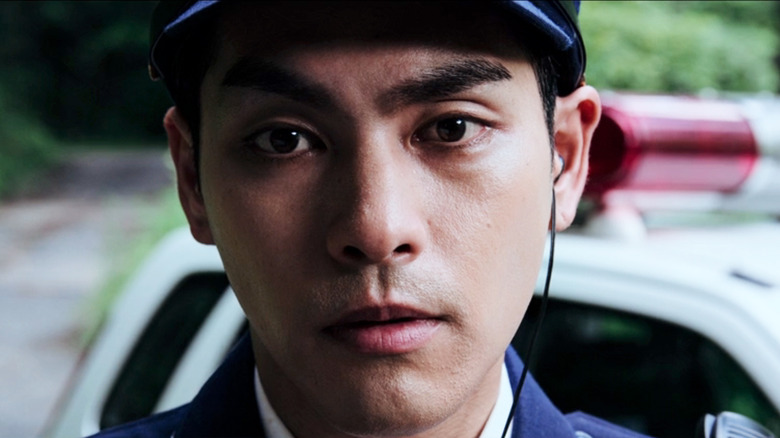
- The Cinematography: A deliberate, slow-burn visual style that captures the beauty of the Japanese mountainside while contrasting it with the grimy, unsettling interior of the Goto estate.
- The Performance: Yuya Yagira’s portrayal of a man teetering on the edge of sanity is described by many as the emotional anchor of the series.
- The Sound Design: A haunting, minimalist score that amplifies the feeling of being watched by an unseen, ancient evil.
Official Responses and Creative Vision
The creative team behind Gannibal has been vocal about their desire to avoid the "jump scare" fatigue prevalent in contemporary horror. In interviews, director Shinzo Katayama noted that the goal was to create a sense of "dread that settles into the bones." By focusing on the power dynamics of the village and the terrifying reality of a family that views humans as sustenance, the show taps into primal fears of isolation and betrayal.
Disney’s investment in the project reflects a broader strategy to diversify its international content library. By championing a gritty, mature series like Gannibal, the platform has demonstrated that it is willing to host content that is decidedly not "family-friendly" in the traditional sense, provided the storytelling quality remains high.
The Implications: Why It Matters Now
The success of Gannibal signals a shift in how global audiences consume horror. No longer confined to Hollywood blockbusters or established Western franchises, the "hidden gem" phenomenon allows for foreign-language content to find its audience through organic word-of-mouth.
For the horror genre, Gannibal serves as a poignant reminder that the most terrifying stories are those rooted in cultural specificity. The "folk" aspect of the horror—the intersection of ancestral tradition and the decay of modern morality—is a hallmark of Japanese cinema that is finally finding a wider, more appreciative audience.
However, the conclusion of the second season brings with it a sense of finality. With the source material of the manga fully adapted, it appears that the story of Daigo Agawa has reached its natural end. This makes the show a perfect "binge" candidate for those seeking a complete, high-stakes narrative arc that refuses to overstay its welcome.
A Final Warning: Not for the Faint of Heart
If you are looking for lighthearted fare, Gannibal is not the show for you. It is a bleak, demanding, and at times physically uncomfortable watch. It explores the darker corners of human behavior and the lengths to which a closed society will go to preserve its secrets.
Yet, for those who value the craft of storytelling—the slow build of a mystery, the meticulous development of characters under pressure, and the courage to confront the truly monstrous—Gannibal is essential viewing. It is a haunting, beautiful, and deeply effective piece of art that proves the best horror doesn’t need a massive marketing budget; it only needs a cold, mountain setting and the terrifying realization that you are not as safe as you think.
As the series continues to wait for its wider discovery on Hulu, it remains a testament to the power of international storytelling. It is time to stop viewing it as a "hidden gem" and start recognizing it for what it is: one of the most chilling, well-executed, and memorable horror experiences of the decade.