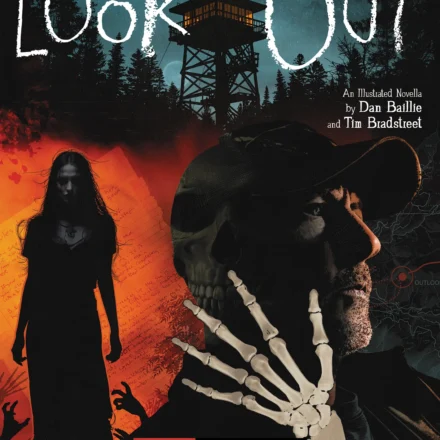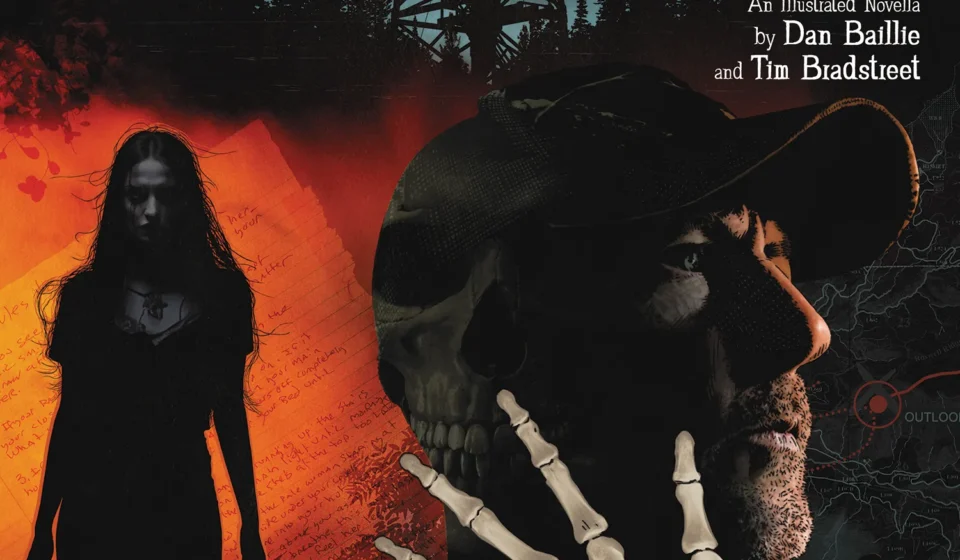

In an industry currently obsessed with high-concept horror and isolated settings, the announcement that filmmaker Ben Leonberg has signed on to direct the feature film adaptation of the novella Look Out has sent ripples of excitement through the genre community. Following the cult success of his debut, Good Boy, Leonberg has quickly established himself as one of the most promising voices in contemporary horror. His latest venture, a collaboration with Republic Pictures, promises to deliver a claustrophobic, high-tension experience rooted in the psychological unease of solitude.
Main Facts: A Return to Isolation
The project, which is currently in active development, adapts Dan Baillie’s acclaimed novella of the same name. While specific production timelines and casting announcements remain under wraps, the core narrative hook is firmly in place.
The story centers on Oscar, a man attempting to piece his life back together following a traumatic divorce. Seeking the solace of nature and the silence of the wilderness, he accepts a position as a fire lookout in a remote, high-altitude forest outpost. However, the solitude he craves is quickly compromised when he discovers a mysterious, cryptic document inscribed with a set of inexplicable rules. These guidelines, which promise to keep him safe during his watch, suggest that he is far from alone in the sprawling, untamed woods surrounding him.
Leonberg will reunite with his Good Boy creative partner, Alex Cannon, to pen the screenplay. The film is being backed by Republic Pictures, with industry heavyweights Roy Lee and Andrew Childs producing through Vertigo Entertainment, and Zach Studin producing for Artists Writers and Artisans (AWA).
Chronology: Leonberg’s Rapid Rise
To understand the significance of the Look Out announcement, one must look at the meteoric trajectory of Ben Leonberg’s career over the last two years.
The Good Boy Breakthrough
Leonberg first gained widespread attention with the 2025 release of Good Boy. A low-budget, high-concept horror film, it turned heads by being shot entirely from the perspective of a dog protecting its owner from a malevolent supernatural presence. Critics and audiences alike praised the film for its innovative cinematography and its ability to evoke profound empathy through a non-human lens. While some critics noted that the film’s narrative structure had rough edges, its emotional resonance and technical boldness solidified Leonberg’s status as a visionary director.
The Expansion of a Slate
Following the success of his debut, Leonberg has wasted no time in diversifying his portfolio. News of Look Out arrives on the heels of two other major announcements:

- Follow Mode: A gritty, tech-forward serial killer thriller that explores the dark side of modern drone surveillance.
- Ankle Snatcher: A high-profile boogeyman project currently in development with Sony, signaling a shift toward more traditional, creature-feature sensibilities.
With Look Out now added to the roster, it is clear that Leonberg is intentionally positioning himself at the center of the horror landscape, pivoting between sub-genres while maintaining a consistent focus on intense, character-driven tension.
Supporting Data: The Anatomy of a Modern Horror Hit
The acquisition of Look Out by Republic Pictures is not merely a creative decision; it is a calculated business move that mirrors current market trends. Recent data suggests that "isolated setting" horror films—movies that feature a single location and a small cast—consistently outperform larger, more expensive projects in terms of Return on Investment (ROI).
The "Fire Lookout" sub-genre of horror, while niche, has a storied history of success. Much like the lighthouse in Robert Eggers’ The Lighthouse or the cabin in Sam Raimi’s The Evil Dead, the fire lookout tower serves as a perfect "pressure cooker" environment. The verticality of the structure, combined with the 360-degree visibility of the forest, creates a unique psychological paradox: the protagonist is in a position of authority and observation, yet they are completely vulnerable to whatever might be lurking in the blind spots of the woods.
Official Responses and Industry Context
While formal interviews with Leonberg regarding Look Out are pending, the industry consensus is overwhelmingly positive. Producers Roy Lee and Andrew Childs, both of whom have track records for identifying breakout horror talent (having worked on It, The Ring, and Barbarian), have expressed strong confidence in the project’s potential to redefine the "rules-based" horror sub-genre.
"The script brings a layer of dread that is both primal and intellectual," stated an insider close to the production. "Leonberg’s ability to turn a simple space into a character is exactly what this material needs."
AWA, the publisher behind the original novella, is also playing a significant role in the development. By leveraging their literary IP into feature-film reality, they are hoping to capitalize on the increasing demand for "elevated horror" stories that offer more than just jump scares.
Implications: The Future of the "Rules-Based" Horror
The announcement of Look Out highlights a growing trend in modern cinema: the "instructional horror" trope. Much like Bird Box or A Quiet Place, Look Out relies on a specific set of operational parameters that the protagonist must follow to survive.

The Psychological Component
The inclusion of a "divorce recovery" element in the logline suggests that Look Out will explore themes of grief, abandonment, and the internal monsters that manifest when we are stripped of our societal distractions. By placing a man already dealing with the emotional wreckage of his past in an environment where he must follow strict, terrifying rules, Leonberg is poised to create a film that is as much about the fragility of the human psyche as it is about external threats.
Genre Evolution
Leonberg’s involvement ensures that the film will likely lean into the "visceral" style of filmmaking. Having already experimented with POV cameras in Good Boy and drone technology in Follow Mode, industry analysts speculate that he will bring a distinct visual language to the fire lookout aesthetic. He is not merely looking to adapt a book; he is looking to build an immersive experience.
Conclusion: A Watch to Keep
As production gears up, all eyes remain on the collaboration between Leonberg and Cannon. The duo has proven they can capture the audience’s attention with unconventional narrative devices. Whether Look Out will lean into the supernatural or the psychological remains the primary point of speculation among fans.
For now, the project stands as a testament to the power of original IP in the horror genre. By betting on a filmmaker with a proven track record of subverting expectations, Republic Pictures is signaling a commitment to quality, mid-budget horror that seeks to disturb the audience long after the credits roll.
We will continue to monitor the production of Look Out as it moves into the casting and principal photography phases. For fans of the horror genre, this is undoubtedly a project to keep a very close eye on—just make sure you check what’s behind you before you do.
For more updates on Ben Leonberg’s upcoming film slate and further developments on ‘Look Out,’ stay tuned to our ongoing coverage of the horror industry.