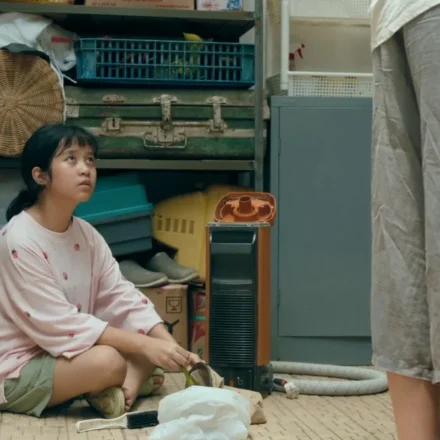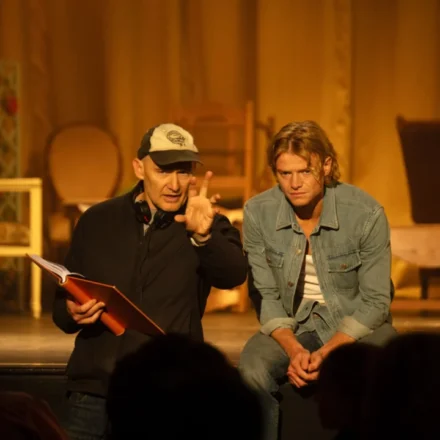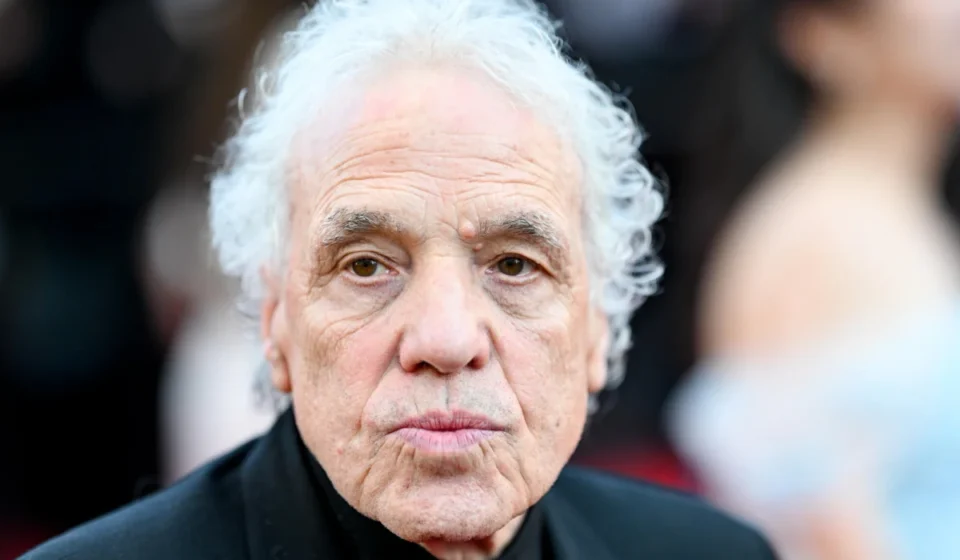

Forty-five years after its initial release, Ms. 45 remains a singular touchstone in the landscape of independent cinema. Directed by Abel Ferrara and propelled by the haunting, rhythmic score of longtime collaborator Joe Delia, the film—a gritty, visceral exploration of trauma and vengeance—has transcended its humble origins as a grindhouse exploitation flick to be recognized as a bona fide work of art.
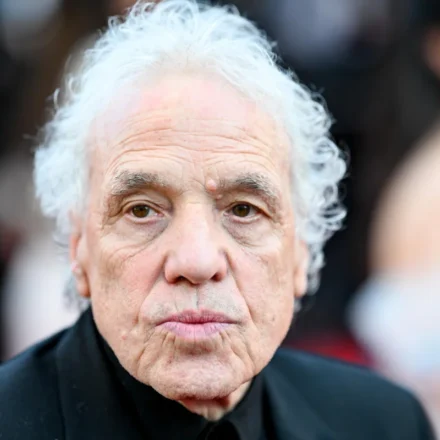
On October 22, the Southampton Playhouse will host a rare event: a screening of the film accompanied by a live performance of the score by Delia himself. The evening will culminate in a Q&A session, offering fans a unique opportunity to peek behind the curtain of a partnership that redefined the possibilities of low-budget, high-impact filmmaking.
The Crucible of Collaboration: From Porno to Poetry
The creative alliance between Abel Ferrara and Joe Delia is a testament to the serendipity of the New York underground scene. Their professional journey began in the murky, high-stakes world of mob-financed adult films, most notably with the 1970s feature Nine Lives of a Wet Pussy.
While the film was a product of a disreputable genre, it was, in retrospect, a crucible. It taught Ferrara the necessity of survival, resourcefulness, and the art of "guerrilla" filmmaking. As documented in Ferrara’s memoir, Scene, the production was fraught with peril—frequently running over budget and schedule under the watchful eyes of unsavory investors. Yet, even in those early, chaotic days, there was a stylistic ambition that mirrored the works of contemporaries like Wes Craven and Radley Metzger. It was a baptism by fire, forcing both men to learn how to cultivate aesthetic beauty within the constraints of limited resources.
The Path to Ms. 45: Professionalism and Rage
The trajectory from the underground to the more polished, albeit still transgressive, Ms. 45 (1981) was sparked by a moment of professional insecurity. After the release of the 1979 slasher The Driller Killer—a bleak, autobiographical reflection on the madness of an artist struggling to survive in a callous city—Ferrara was stung by a distributor’s comment that the film lacked a "professional" look.
"If anybody told me that now, I’d say, ‘Fuck you, it looks and sounds exactly the way it should,’" Ferrara told IndieWire. "But that attacked my ego in such a way that I said, ‘Fuck this. We’re gonna get rid of half the people we’re working with, we’re gonna get 35mm equipment, and we’re gonna do what everybody else does.’"

This pivot to "professionalism" didn’t stifle the film’s raw power; it refined it. Ms. 45 follows a mute seamstress who, after being victimized by two different men in a single day, embarks on a silent, systematic campaign of lethal vengeance. While it shares DNA with the "vigilante" subgenre of the era—most famously Michael Winner’s Death Wish—Ms. 45 is elevated by its haunting atmosphere, the cold, sharp precision of its visuals, and the profound, wordless rage embodied by lead actress Zoë Lund.
The Technological Leap: The VCR Revolution
The transition to a more sophisticated production was facilitated by the rapid evolution of technology. For composer Joe Delia, the jump from The Driller Killer to Ms. 45 was marked by the birth of the VCR.
"On the first film, we had no picture to work with," Delia recalled. "On Driller Killer, we sat at the Steenbeck and were scoring to picture, but we were loading up 35mm mag strips. Suddenly, on Ms. 45, we had the ability to put the film up and go back and forth and not have to deal with any of that."
Ferrara famously likened the arrival of the VCR to the invention of the printing press, acknowledging that it allowed for a fluidity in editing and scoring that had previously been the exclusive domain of major studio productions. Even with these advancements, the duo relied on the ingenuity of the street. They utilized union crews and high-end mixing facilities where A-list auteurs like Woody Allen worked, essentially "faking it until they made it" by leveraging personal connections and sheer audacity.
The Discovery of Zoë Lund
Perhaps the most critical element in the film’s enduring legacy is the casting of Zoë Lund. Her involvement was a stroke of pure, chaotic luck. During the post-Saturday Night Fever era, producer Robert Stigwood held a worldwide casting search for a film called 42nd Street, a project that was expected to be a global blockbuster.
"I called my friends who were casting, and they said, ‘We got your girl, bro. They’re never gonna use her. Wait until you see this chick,’" Ferrara recounted. Once Lund was cleared from the Stigwood project, she arrived at Ferrara’s office. Her impact was immediate. "She steps off the elevator, and the first second I saw her, I said, ‘Fuck yeah.’ I don’t care what she says, I don’t care how crazy she is."

Lund, who would later co-write Bad Lieutenant with Ferrara, brought an intellectual depth and a terrifying, singular intensity to the role of the mute vigilante. Her performance turned a standard revenge exploitation story into a haunting meditation on gender, power, and the corrosive nature of violence.
Crafting the Sound of Vengeance
The production’s commitment to quality was matched by an equally creative approach to sound design. To craft the perfect gunshot for the film, Ferrara utilized a method that was as resourceful as it was legally dubious. Having heard that Francis Ford Coppola spent a small fortune perfecting the sound of a .45 in Apocalypse Now, Ferrara instructed his sound mixer to go to a local theater in the middle of the afternoon.
"I told the sound guy, ‘Listen man, go see Apocalypse Now in the middle of the afternoon when nobody’s there and wait for that moment. Record that .45,’" Ferrara explained. "That gunshot cost $50,000 and we got it for nothing, because they’re never going to be able to track it."
This blend of high-end equipment and street-level "sampling" allowed the team to create a sonic landscape that felt far more expensive than the budget suggested. Delia’s score, which he is set to perform live, is the heart of this atmosphere—a propulsive, moody, and deeply emotional soundscape that remains one of the most respected in the canon of horror-thriller cinema.
Implications and Legacy: A "Diploma" from Bowie
The impact of Ms. 45 is best measured by its long-term resonance with audiences and fellow artists. The film has been dissected in countless film studies journals and remains a staple of midnight movie circuits worldwide.
The ultimate validation for the duo, however, came from an unexpected source. Years after the film’s release, it was revealed that music legend David Bowie had listed the Ms. 45 score as one of his top ten favorite film soundtracks of all time.

"I said, ‘Did you see this?’" Delia recalled, referencing the moment he shared the news with his director. Ferrara’s response was characteristically blunt and affectionate: "Yeah, that’s your fucking diploma. Hang it on the wall."
Conclusion: The Southampton Performance
The upcoming screening at the Southampton Playhouse serves as more than just a nostalgic trip; it is an active reclamation of a film that helped define the New York independent spirit. By performing the score live, Joe Delia bridges the gap between the 1981 version of himself and the artist he is today, utilizing a mixture of original samples and modern digital rigs to recreate the film’s iconic sound.
As we look back on 45 years of Ms. 45, the film remains a potent reminder of what can be achieved when raw talent, a lack of institutional fear, and a commitment to one’s own vision collide. Whether through the lens of feminist critique or the appreciation of exploitation cinema, Ms. 45 continues to command attention, proving that even in the darkest, most violent stories, there is room for poetry.