The Buck Stops Here: Director James Watkins Claims Full Responsibility for DC’s Bold ‘Clayface’ Experiment

In the high-stakes, algorithm-driven ecosystem of modern superhero cinema, directors are frequently characterized as "hired guns"—technicians brought in to execute a studio’s pre-ordained vision, often at the expense of their own artistic autonomy. However, the release of Clayface, the third installment in the revitalized DC Universe (DCU), has bucked this trend in a significant way. Director James Watkins has emerged as a staunch defender of the creative process, explicitly telling audiences that if they find the film lacking, the fault lies entirely with him, not the studio.
This rare act of transparency in the blockbuster era serves as a fascinating case study in how the new leadership at DC Studios—spearheaded by James Gunn and Peter Safran—is attempting to navigate the precarious balance between franchise cohesion and individual artistic expression.
The Genesis of a Horror-Infused DC Thriller
Clayface represents a significant tonal departure from the high-flying heroics of its DCU predecessors, James Gunn’s Superman and Craig Gillespie’s Supergirl. Instead of a traditional superhero epic, Watkins has delivered an R-rated, visceral horror-thriller.
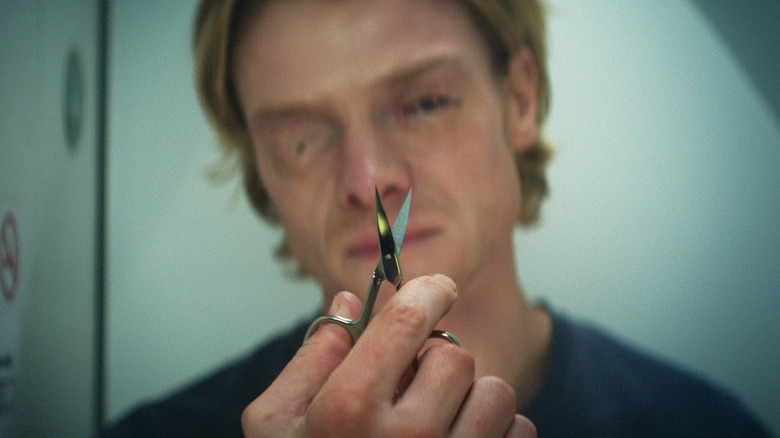
The film follows Matt Hagen, a rising Hollywood star portrayed by Welsh actor Tom Rhys Harries, whose trajectory to superstardom is violently interrupted by a criminal syndicate that leaves his face disfigured by a razor attack. Driven by desperation, Hagen undergoes an experimental medical procedure to restore his appearance, only to find that the treatment carries harrowing, mutagenic side effects.
The film has been categorized by critics as a lean, mean revenge thriller, often compared to Sam Raimi’s 1990 cult classic Darkman. While the critical reception has been nuanced—with some praising its atmospheric intensity and others noting its simplicity—the film is undeniably a "director’s movie."
Chronology: From Concept to Cinema
The journey of Clayface began with a screenplay penned by horror auteur Mike Flanagan, known for his work on projects like The Fall of the House of Usher and the Carrie television series, alongside Academy Award nominee Hossein Amini, the writer behind the stylized noir Drive.
When Watkins first encountered the script, he was immediately struck by its structure. "When I first read Mike Flanagan’s script, I really wanted to lean into and honor the fact that he called it ‘a tragedy in three acts,’" Watkins explained in an interview with The Hollywood Reporter.
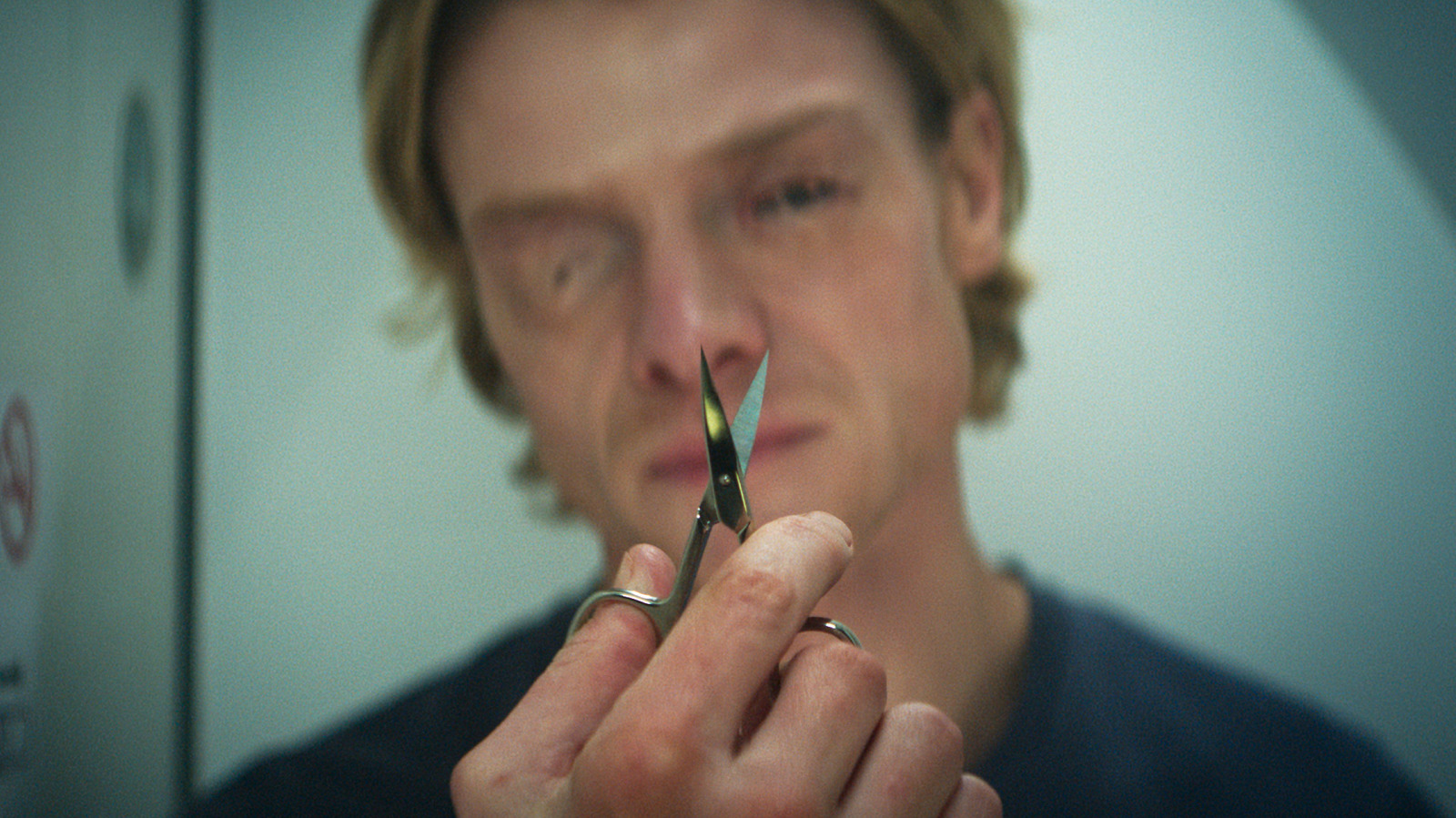
Following his initial reading, Watkins pitched a specific vision for the film—one that emphasized the tragic transformation of the protagonist while maintaining a narrative thread that would keep audiences emotionally invested in Hagen’s descent. According to Watkins, the executive team, including DC Studios heads James Gunn and Peter Safran, as well as producers Matt Reeves and Lynn Harris, did not force revisions or interfere with his vision. They embraced his pitch, effectively granting him the "final cut" level of trust that is increasingly rare in the contemporary studio system.
Supporting Data: Artistic Freedom vs. Corporate Oversight
The narrative of the "troubled production" has become a hallmark of comic book movie discourse. From the frequent turnover of directors in the early days of the DCEU to the well-documented interference in projects like Justice League (2017), the relationship between directors and major studios has been strained.
Watkins’ experience appears to be a counter-narrative. By confirming that he had full creative leeway, Watkins provides a look into the "Gunn-Safran" era of DC. The studio, which is tasked with building a massive, interconnected universe, seems to be experimenting with a strategy that allows for genre-hopping. By letting an R-rated horror film sit alongside a flagship Superman movie, DC is testing whether a cinematic universe can function more like a comic book shop—offering varied genres and styles—rather than a singular, monolithic narrative style.
The production team, which included the visionary Matt Reeves, played a crucial role in providing a "safety net" of support for Watkins. This support allowed the director to focus on the technical and emotional demands of the horror genre without the constant pressure of corporate mandate.
Official Responses: Watkins on Accountability
The most striking aspect of the current discourse surrounding Clayface is Watkins’ blunt refusal to let the studio take the heat for the film’s perceived shortcomings. In an industry where directors often deflect criticism toward "studio notes" or "reshoots," Watkins’ position is refreshingly direct.
"I’m not trying to fly the flag or do some party line; I genuinely did [have an excellent experience]," Watkins stated. "Everything was straightforward with James, Peter, Matt, Lynn Harris, and everybody on the whole team."
He continued, "I say to people, if you don’t like the film, you can’t blame them. It’s on me because I had all the support." This stance is not merely a polite deflection; it is a declaration of authorship. By claiming full ownership, Watkins is essentially asking the audience to judge the film as a piece of art rather than a commercial product.
Implications for the Future of the DC Universe
The implications of Clayface are twofold. First, for the DC Universe, it suggests that the studio is willing to take risks on smaller, character-focused stories that do not necessarily have to fit the mold of a "four-quadrant" blockbuster. This is essential for the longevity of a franchise that needs to distinguish itself from the saturated superhero market.
Second, for the industry at large, the Clayface model sets a precedent for how studios might retain top-tier directing talent. If filmmakers know they will be supported and that they can own both the successes and the failures of their work, they are more likely to commit to long-term projects within a shared universe.
However, the risk remains. If a film is marketed as part of a major universe but leans into niche genres like horror or psychological thriller, it may alienate parts of the casual audience. The mixed critical reviews suggest that Clayface is not for everyone, and that is precisely the point. By decentralizing the creative power, the studio risks losing a unified tone, but it gains the potential for high-quality, singular films that stand on their own.
The Verdict on Authorial Intent
As Clayface continues its theatrical run, the conversation will likely shift from the "why" of the film to the "how." For fans, the knowledge that the director was fully empowered to craft the story as he saw fit adds a layer of depth to the viewing experience. Whether the audience agrees with the creative choices made by Watkins is secondary to the fact that those choices were, in fact, his own.
In the end, James Watkins has successfully shifted the focus away from the corporate machinery of Warner Bros. and back to the individual artist. Whether the experiment is deemed a success or a failure, the director’s willingness to shoulder the burden of responsibility ensures that the critique remains focused on the film itself, honoring the "tragedy in three acts" he set out to tell. For the future of DC, this level of creative integrity might just be the most important character trait of all.