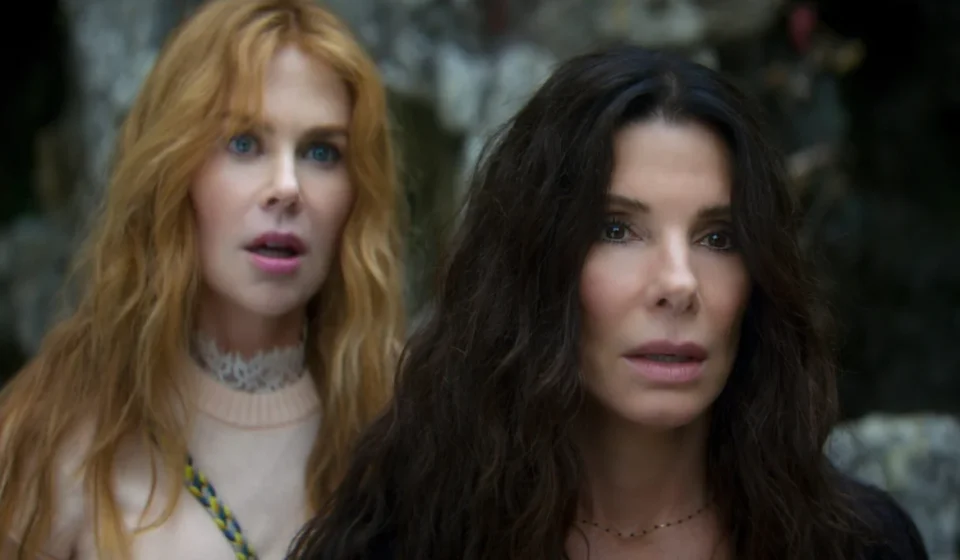
The Owens Sisters Return: ‘Practical Magic 2’ Conjures Box Office Magic to Dethrone Spider-Man

The long-dormant spell of the Owens family has been cast once again, and it appears the box office is under its thrall. Warner Bros.’ highly anticipated fantasy sequel, Practical Magic 2, has officially signaled the end of the web-slinging dominance of Spider-Man: Brand New Day. After a remarkable six-week residency at the top of the North American box office, the superhero juggernaut is finally bowing to the witchy allure of Hollywood icons Nicole Kidman and Sandra Bullock.
With a powerful $4.7 million haul from Thursday preview screenings alone, the film has set the stage for a weekend performance that industry analysts suggest will comfortably clear the $30 million to $40 million mark domestically. When combined with an expected international rollout of $18 million to $25 million, the film is pacing toward a global opening weekend between $48 million and $65 million—a stellar start for a production with a modest $75 million budget.
A Legacy Reborn: The Chronology of a Cult Classic
To understand the cultural magnitude of Practical Magic 2, one must look back to the autumn of 1998. Griffin Dunne’s original adaptation of Alice Hoffman’s novel was, at the time, a modest performer. While it did not shatter records upon its initial release, the film underwent a slow, metamorphic transformation into a bona fide cult classic. Over the last quarter-century, the story of Sally and Gillian Owens—two sisters navigating the treacherous intersection of suburban life and ancestral witchcraft—became a staple of cable television, home video, and digital streaming.
The journey to a sequel was fraught with the kind of development hurdles typical of high-profile intellectual properties. For years, fans clamored for a return to the Owens household, but the stars remained aligned only in rumor. It was not until the recent surge in nostalgic cinema and the continued prominence of its leads that Warner Bros. greenlit the project. Under the steady hand of director Susanne Bier, the production sought to bridge the gap between 90s nostalgia and modern cinematic sensibilities, finally bringing the Owens sisters back to the screen 25 years after the original film first cast its spell.
Supporting Data: The Math Behind the Magic
The financial trajectory of Practical Magic 2 is a masterclass in demographic targeting. Warner Bros. strategically positioned the release to capitalize on both the established fanbase of the 1998 film and a new generation of fantasy enthusiasts.
The $4.7 million preview figure is particularly significant, as it indicates a high level of "event viewing" interest. Typically, legacy sequels rely on a "fan-first" strategy, where the opening weekend is bolstered by those who have waited decades for a continuation of the narrative. With a production budget of $75 million, the studio is in a comfortable position. If the film lands on the higher end of its projected $65 million global opening, it will be well on its way to profitability before the end of its second week in theaters.
In contrast, Spider-Man: Brand New Day has enjoyed an unprecedented run. Its six-week reign at number one represents a rare feat in the post-pandemic era of cinema, where theatrical windows are shorter and audience attention is fragmented. The fact that it took the combined star power of Kidman and Bullock—backed by a massive, multi-generational marketing push—to displace the superhero titan serves as a testament to the enduring power of the Practical Magic brand.
The Cast: A Blend of Nostalgia and New Blood
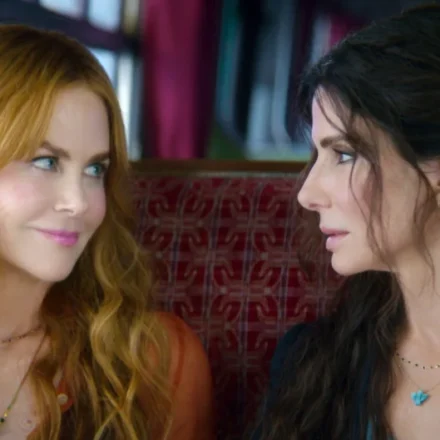
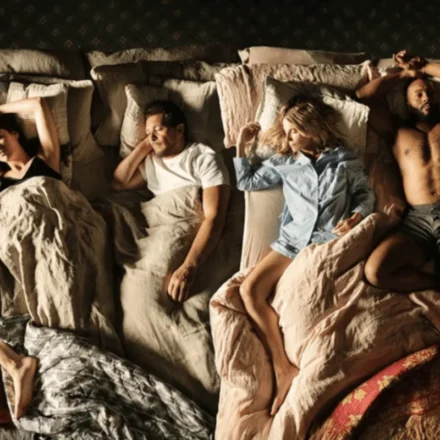
The success of the sequel is, in no small part, attributed to the return of its central duo. Sandra Bullock and Nicole Kidman reprise their roles as Sally and Gillian Owens, bringing a lived-in authenticity to the characters that could not be replicated by a recast. Their chemistry, which defined the original, remains the emotional anchor of the sequel.
However, the film does not rely solely on the past. The plot, which follows the sisters as they attempt to break the generational curse that has plagued their family for centuries, introduces a new generation of talent. The inclusion of Joey King as Sally’s daughter, Kylie, and Maisie Williams as Antonio, provides a necessary narrative bridge. By centering the conflict on the sisters’ efforts to protect their progeny from the "Owens curse"—which ensures that any man who falls in love with an Owens woman dies prematurely—the film taps into universal themes of motherhood, legacy, and the burdens we pass down to our children.
The supporting cast is equally robust, featuring returning icons Stockard Channing and Dianne Wiest, who reprise their roles as the eccentric aunts, alongside newcomers Lee Pace, Xolo Maridueña, and Solly McLeod. This ensemble approach allows the film to balance its nostalgic roots with a modern, fast-paced ensemble dynamic.
Official Responses and Industry Sentiment
While Warner Bros. executives have remained characteristically cautious regarding official "box office win" declarations, the internal sentiment is undeniably buoyant. Insiders at the studio have pointed to the high social media engagement scores for the film’s marketing campaign, noting that the "Owens aesthetic"—a mix of autumnal coziness, dark fantasy, and sisterly bonding—has seen a massive resurgence on platforms like TikTok and Instagram.
Director Susanne Bier, known for her ability to ground high-concept dramas in visceral human emotion, has been praised for maintaining the "cozy" atmosphere of the original while expanding the world-building. Critics have noted that while the original film was perhaps more experimental in its tone, the sequel feels like a refined, confident extension of that world.
The Challenger: Oasis and the Music Documentary Surge
The box office conversation this weekend is not entirely dominated by witchcraft. Disney is also making a significant play with the release of Oasis: Don’t Look Back in Anger. This music documentary, which chronicles the long-awaited reunion of Liam and Noel Gallagher, is currently tracking for an opening in the $5 million to $7 million range.
While these numbers may appear modest compared to the blockbusters, the documentary is a strategic release for Disney. Music-centric films have seen a massive uptick in interest over the last few years, with concert films and rock documentaries proving that there is a dedicated, high-spending audience for cinematic experiences centered on iconic cultural figures. By releasing the film on the same weekend as a major tentpole, Disney is attempting to diversify its theatrical portfolio, appealing to the massive global fanbase of the Gallagher brothers.
Implications: What This Means for the Industry
The shift at the top of the charts carries several implications for the broader theatrical landscape. First, it confirms that "legacy sequels" remain one of the most bankable assets in Hollywood. When executed with the original cast and a clear vision, these films can bridge the gap between older demographics and younger audiences who discovered the original properties through streaming.
Second, the success of Practical Magic 2 highlights the power of "vibe-based" marketing. In an era where audiences are often fatigued by franchise fatigue and interconnected cinematic universes, a self-contained story—even if it is a sequel—that prioritizes character dynamics and atmosphere can cut through the noise.
Finally, the displacement of Spider-Man suggests that even the most successful superhero runs have a natural shelf life. As the industry moves into the autumn season, studios are looking for "counter-programming" that offers a departure from the action-heavy blockbusters of the summer. Practical Magic 2 fits this mold perfectly, offering a mix of fantasy, romance, and comedy that serves as an effective palette cleanser for the general public.
As the weekend unfolds, all eyes will be on the final tallies. If Practical Magic 2 hits the upper end of its projections, it will likely secure a strong hold on the market for the coming weeks, especially as the film’s themes of family and fate align with the transition into the fall season. For Warner Bros., the gamble on reviving a 90s classic has clearly paid off, proving that sometimes, the most effective way to conjure a hit is to return to the magic that started it all.