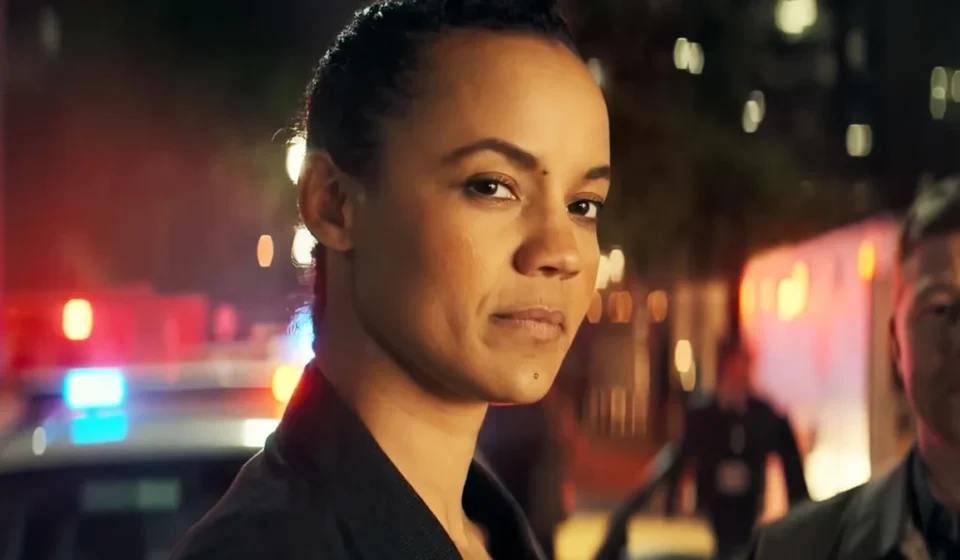

In the vast landscape of modern streaming, few IPs have cultivated a fanbase as loyal and hyper-focused as Prime Video’s Reacher. Based on the celebrated novels by Lee Child, the series has become a cornerstone of Amazon’s prestige action slate, anchored by Alan Ritchson’s powerhouse performance as the titular itinerant investigator. However, even as Reacher shatters viewership records—with Season 3 setting high-water marks and Season 4 maintaining the momentum—critics and showrunners alike have begun to identify the limitations inherent in the show’s formula. Enter Neagley, the highly anticipated spin-off starring Maria Sten as Frances Neagley. While it shares the DNA of its predecessor, the new series promises to deliver the one thing the mothership series fundamentally cannot: a protagonist with a life that exists outside the battlefield.
The Foundation: A New Chapter in the Reacher-Verse
The Reacher universe has always been defined by its simplicity. Jack Reacher is a mythic figure, a "ghost" who wanders into a town, identifies a moral vacuum or an injustice, systematically dismantles it, and then vanishes into the horizon. It is a formula that works with clockwork precision. But as Reacher Season 4 director Sam Hill noted during a recent set visit, the character of Jack Reacher is, by design, static. He does not undergo a traditional "arc" because he is the catalyst for change in others, rather than a subject of change himself.
Neagley, however, flips this paradigm. From its opening moments, the series distinguishes itself as a character study rather than a tactical procedural. Maria Sten, who has been a standout supporting player in the Reacher series, steps into the lead with a gravity that feels distinct from Ritchson’s hulking presence. While the premiere episode features a brief cameo by Ritchson to cement the narrative connection between the two shows, the focus immediately shifts to the domestic, professional, and emotional complexities of Frances Neagley.
Chronology and Evolution: From Sidekick to Protagonist
To understand why Neagley is such a significant departure, one must look at the structural history of the franchise.
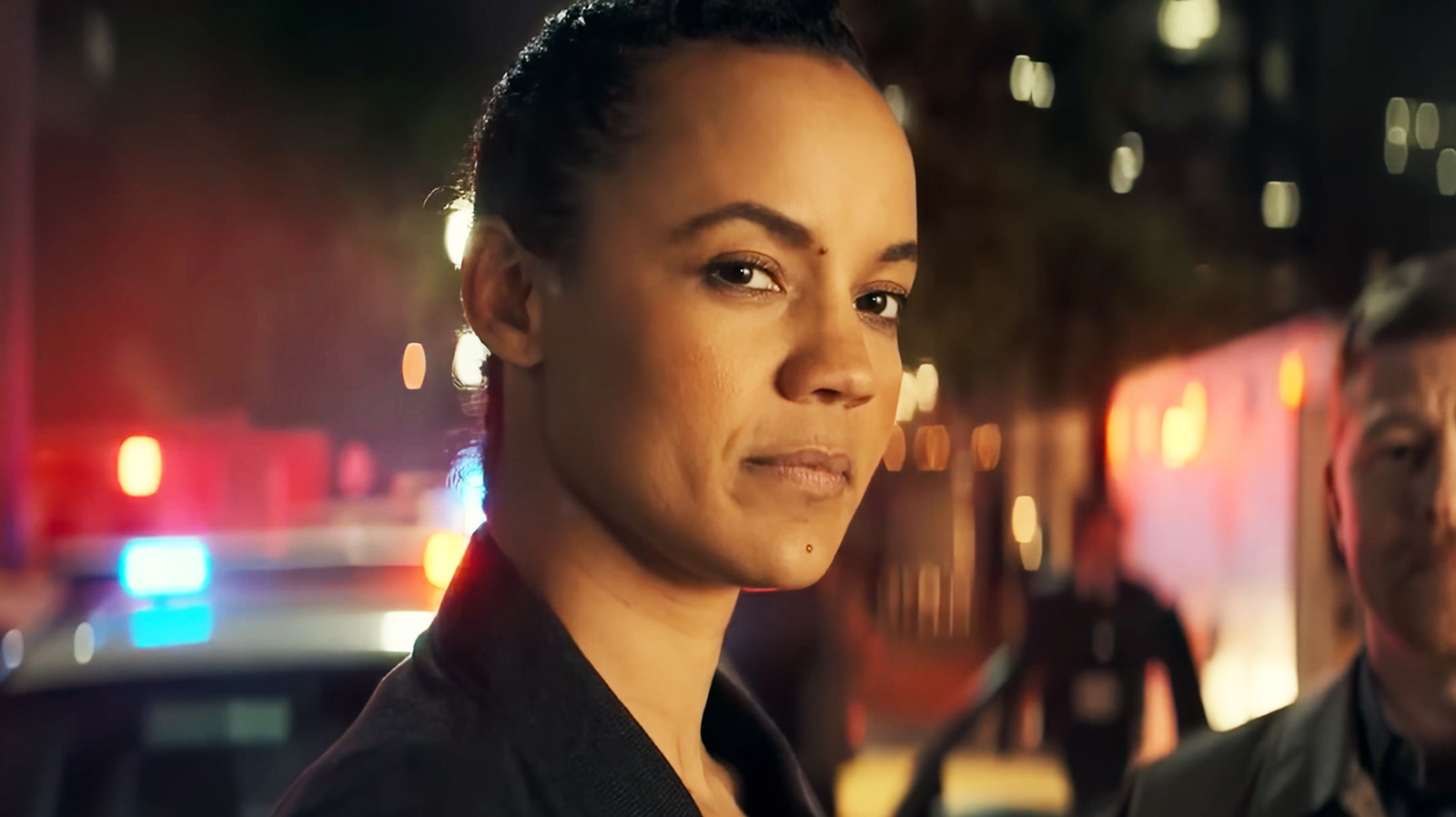
- The Inception: Lee Child’s novels are almost entirely restricted to the point of view and experience of Jack Reacher. His associates, including Neagley, are functional tools of the plot.
- The Translation: When Prime Video adapted Reacher, the writers expanded the roles of these secondary characters, particularly Neagley, giving them more screen time and agency.
- The Spin-Off Development: Following the runaway success of Reacher Season 3, showrunner Nick Santora and former NYPD Blue producer Nicholas Wootton began exploring how to expand the universe. The decision to center a show on Neagley was not merely a marketing exercise; it was a narrative necessity.
- The Premiere: The first episode of Neagley establishes the core tension of the show: the intersection of her high-stakes investigative work and the messy, inescapable reality of human responsibility.
Supporting Data: Why the "Reacher Problem" Demands a Solution
The "Reacher Problem"—a term coined by critics to describe the narrative wall the show hits due to the protagonist’s lack of vulnerability—is backed by the show’s own internal logic. Jack Reacher has no home, no family, and no career in the traditional sense. His lack of ties is his greatest strength as an operator, but it creates a vacuum of stakes. If the hero cannot be hurt emotionally, the audience’s investment is limited to the physical spectacle.
Data regarding the Reacher franchise suggests that while audiences love the "brutal watch" of the show’s combat scenes, there is a growing appetite for character-driven narratives. The Hollywood Reporter noted that while the debut of Season 4 was slightly less explosive than its predecessor, it remained a juggernaut. This suggests that the audience is ready for the series to evolve. Neagley serves as the laboratory for this evolution. By giving the protagonist a home in Chicago and a firm to answer to, the show provides the writers with a sandbox of consequences that simply don’t exist for a drifter.
Official Responses and Creative Vision
The creative team behind Neagley has been vocal about the intentional differences between the two shows. Showrunner Nick Santora, who has been instrumental in the success of both projects, has emphasized that Neagley is not a copy-paste job.
"We are playing with a character who is tethered," said a source close to the production. "Neagley has a father, a boss, and colleagues who don’t always have her best interests at heart. That’s a different kind of tension than Reacher, who is essentially a force of nature."
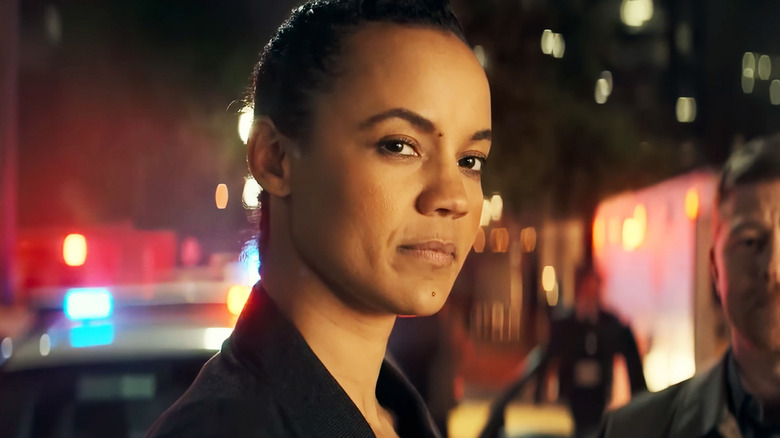
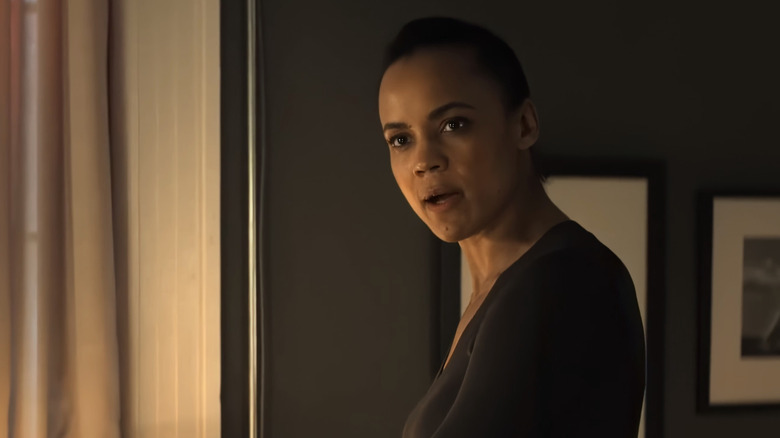
The casting of Maria Sten is central to this vision. Sten brings a stoic, calculated intelligence to the role that contrasts sharply with the "giant bruiser" archetype. In the premiere, we see her grappling with the terminal illness of her father, Calvin (played by Tyrone Benskin). This is a narrative thread that could never exist in the Reacher mothership—the idea of a hero being pulled away from a firefight by the needs of a caregiver is the antithesis of the Reacher mythos.
The Implications: A New Era for Crime Dramas
The implications of Neagley are vast. If the show succeeds, it validates the idea that spin-offs can be more than just "more of the same." It suggests that Amazon and the production team are willing to diversify their storytelling toolkit.
1. The Power of Consequences
In Reacher, the protagonist leaves a trail of bodies and moves on. In Neagley, she is a Private Investigator at York Investigations. When she uses Reacher-style tactics to solve a case, she is reprimanded by her boss, Gerry York (Joel Keller). She has to deal with internal office politics, specifically from the ambitious and duplicitous colleague Renee Birdwhistle (Adeline Rudolph). This creates a workplace drama element that grounds the high-octane action in reality.
2. The Anthology vs. Serialized Debate
Reacher is tied to the anthology format of the novels. Each season is a new location, a new cast, and a new mystery. Neagley is not beholden to this. It is a show about a person with roots. This allows for long-form character development that spans multiple seasons, allowing the audience to grow with Neagley in a way they cannot with the wandering Jack.
3. A Shift in the "Badass" Archetype
For years, the "invincible, emotionless killer" has dominated the action genre. Neagley offers a subversion. She is just as capable as Reacher, but her strength is tempered by her human connections. It is a more modern, nuanced approach to the genre that recognizes that a hero is only as interesting as what they stand to lose.
Conclusion: A Necessary Pivot
As the Reacher franchise moves forward, it faces the challenge of staying fresh while maintaining the elements that made it a hit. Neagley is the perfect solution to this challenge. It preserves the high-quality action and slick pacing that fans expect, but it injects a much-needed dose of humanity, professional frustration, and personal stakes.
By stepping out of the shadow of the drifter, Frances Neagley is proving that she doesn’t need to be "Reacher v2" to be a compelling lead. In fact, her strength lies in her departure from his myth. While Jack Reacher will always be the king of the open road, Neagley invites the audience to look closer at the world he left behind—and the people who have to live in it. Whether she is navigating the politics of a P.I. firm or caring for her ailing father, Neagley is showing that the most compelling battles are often the ones fought at home. For fans of the genre, this spin-off isn’t just an addition to the collection—it is the evolution the franchise has been waiting for.