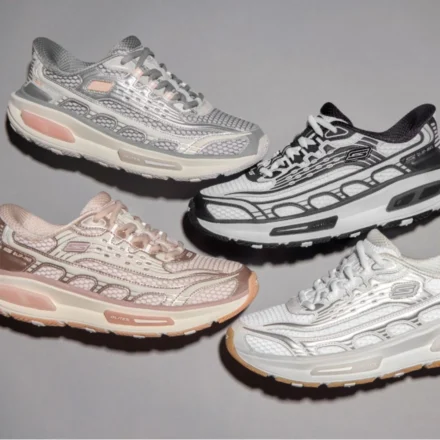
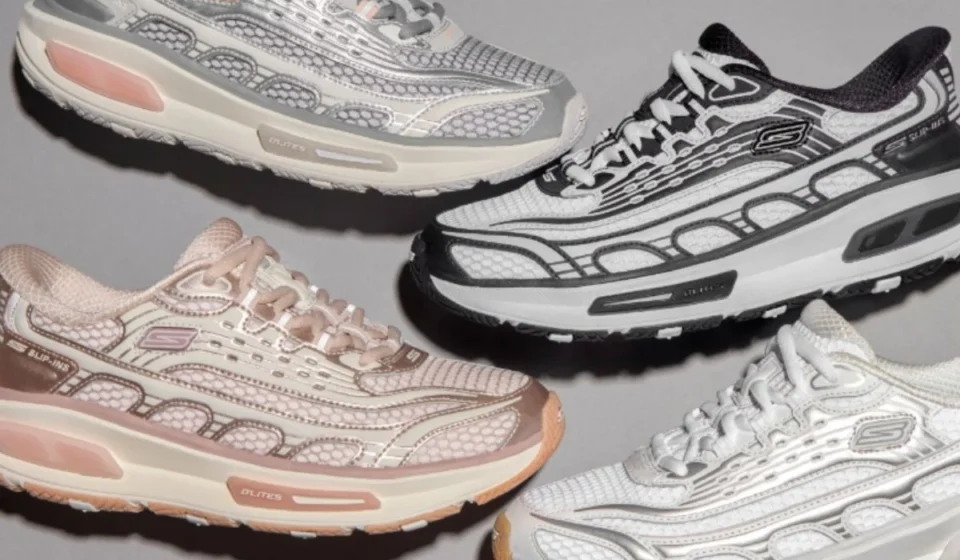
The Skechers Renaissance: Why These Comfort-Focused Sneakers Are Dominating the Footwear Industry

For decades, the fashion industry has operated under the assumption that style and comfort exist on opposite ends of the spectrum. Consumers have long been forced to choose: wear the stiff, blister-inducing designer shoe and endure the pain, or opt for orthopedic-looking footwear and sacrifice personal aesthetics. However, a quiet revolution has been taking place in the footwear market, led by a brand that was once overlooked by the style-conscious: Skechers.
As the lines between high-fashion and functional athleisure continue to blur, Skechers has emerged as a powerhouse, proving that arch support, shock absorption, and long-term wearability do not have to come at the expense of a modern silhouette.
The Evolution of the "Comfort Sneaker"
The narrative surrounding Skechers has undergone a dramatic shift. Once categorized strictly as a niche brand for casual walkers, the company has successfully pivoted to become a dominant force in the global sneaker hierarchy. This transition was not accidental; it was the result of a concerted effort to integrate high-end technology into everyday footwear.
The core of the brand’s resurgence lies in its "Slip-ins" technology and the integration of podiatrist-certified features. By addressing the primary pain points of the modern commuter—namely, the struggle of putting on shoes and the fatigue of standing for extended periods—Skechers has managed to capture a demographic that spans from busy professionals to theme-park-hopping tourists.
The Disney Test: A Case Study in Endurance
The true litmus test for any sneaker is not the runway, but the pavement. A compelling case study comes from those who frequent high-activity environments, such as Disney World. After testing various high-end, trending sneaker brands, many travelers have found that their "fashion-forward" choices often leave them sidelined by midday with severe foot fatigue and blistered heels.
In contrast, Skechers has earned a reputation for being the "survivor" shoe. Whether it is 10,000 steps or a full day of standing, the brand’s proprietary technology—specifically their breathable cooling insoles and contoured footbeds—provides a level of support that many competitors struggle to match at the same price point. The transition from "reluctant choice" to "primary footwear" has become a common narrative among those who prioritize function without wanting to look like they are wearing medical devices.
The Science of Support: Breaking Down the Features
Skechers’ ability to compete with industry giants like Asics, Hoka, and Nike is rooted in its technical specifications. The brand has focused on four pillars of design that differentiate its products:
- Breathable Cooling Insoles: By managing moisture and temperature, the brand prevents the friction that leads to blistering.
- Shock-Absorbing Cushioning: Utilizing materials that mirror high-end performance running gear, these insoles dissipate the energy generated by each heel strike.
- Contoured Arch Support: Many models now feature "Arch Fit" technology, which is designed based on data gathered from years of podiatric research.
- Lightweight Construction: By reducing the overall weight of the shoe, the brand minimizes the muscle fatigue that accumulates during a 12-hour day.
A Chronology of the Brand’s Strategic Shift
- 1992-2000s: Skechers establishes itself as a lifestyle brand, known for the iconic D’Lites and a focus on youth-oriented pop culture trends.
- 2010-2015: The brand shifts focus toward the "walking" and "running" sectors, introducing the GO WALK series, which prioritizes lightweight, flexible materials.
- 2016-2020: Recognition of the "comfort economy." Skechers begins heavily investing in R&D to create the Arch Fit and Max Cushioning lines, targeting customers with chronic foot pain.
- 2021-Present: The launch of "Hands Free Slip-ins" marks the brand’s biggest technological leap. This innovation allowed the company to capture the aging population and busy parents, while simultaneously appealing to the fashion market through collaborations and modern, sleek aesthetics.
Professional Insight: The Podiatric Perspective
The American Podiatric Medical Association (APMA) has recognized several Skechers models with its Seal of Acceptance. This is a significant credential in the footwear world. For consumers, this signifies that the product promotes good foot health. When a brand can combine this clinical validation with a sub-$100 price point, it creates a unique market advantage that high-fashion sneaker brands often find impossible to replicate.
Curated Selections: The Best of the Current Lineup
For those looking to integrate Skechers into their wardrobe, the current collection offers a variety of solutions for different lifestyle needs:

For Daily Commuters: The Slip-ins GO WALK
These are the gold standard for versatility. With yoga mat-inspired cushioning, they offer a responsive feel that minimizes joint pressure. The "Heel Pillow" design ensures the shoe stays secure without needing to be manually adjusted.
The Modern Classic: Arch Fit D’Lites 330
For those who miss the chunky aesthetic of the 2000s, this model provides the vintage look with a modern, medical-grade interior. It is the perfect marriage of nostalgia and function.
High-Performance Utility: GO RUN Consistent Pro
For the athlete on a budget, this shoe offers high-rebound cushioning that rivals brands charging double the price. The focus here is on smooth energy transition from heel to toe.
Urban Chic: The Hotshot Varsity Crew
This model proves that the brand has evolved aesthetically. With suede detailing and a clean, minimalist profile, it fits perfectly into a modern, casual-professional wardrobe while maintaining the comfort of a gym shoe.
Implications for the Footwear Industry
The success of Skechers sends a clear signal to the rest of the fashion industry: the "wellness-first" consumer is the new target demographic. As the post-pandemic world continues to prioritize comfort and practicality, legacy brands that rely solely on brand prestige may find themselves losing market share to companies that provide tangible, physical benefits.
The "comfort sneaker" is no longer a sub-category; it is the category. As Skechers continues to expand its reach, the competition will be forced to pivot. We are already seeing major athletic brands attempting to replicate the "slip-on" ease and the "all-day comfort" marketing that Skechers has mastered.
Conclusion: Why You Should Stop "Sleeping On" Skechers
The stigma once associated with comfort-focused footwear has effectively vanished. In an era where productivity and health are paramount, wearing a shoe that actively supports your posture and reduces physical strain is no longer a sacrifice of style—it is a smart, informed consumer choice.
Whether you are navigating the miles of concrete at a theme park, working a standing shift, or simply looking for a reliable, affordable, and stylish everyday sneaker, the data is clear. Skechers has earned its place in the modern closet. By prioritizing the user’s experience over temporary trends, the brand has secured its future as a titan of the industry. It is time to stop looking at the logo and start looking at the technology beneath the sole. Your feet—and your future self—will thank you.