
Zack Snyder has long occupied a unique, polarizing space in the cinematic landscape. Whether he is helming sprawling superhero epics or intimate passion projects, his work rarely elicits a lukewarm response. However, his latest feature, The Last Photograph, has ignited a firestorm of controversy that transcends traditional film criticism. Following its recent premiere at the Toronto International Film Festival (TIFF), the film has been met with a wave of vitriol that suggests the director’s reputation has become as much a character in the narrative as the film itself.
The Premise: A Departure Into Grit
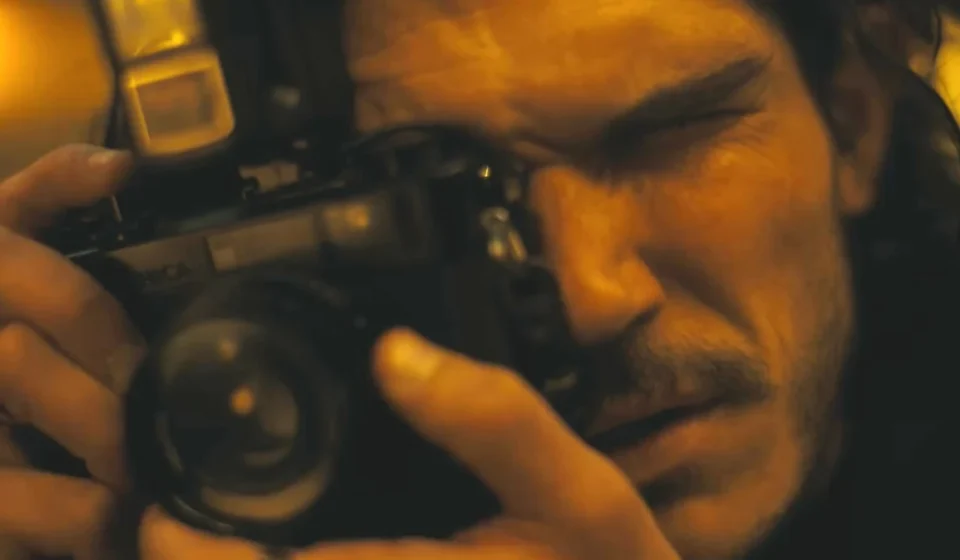
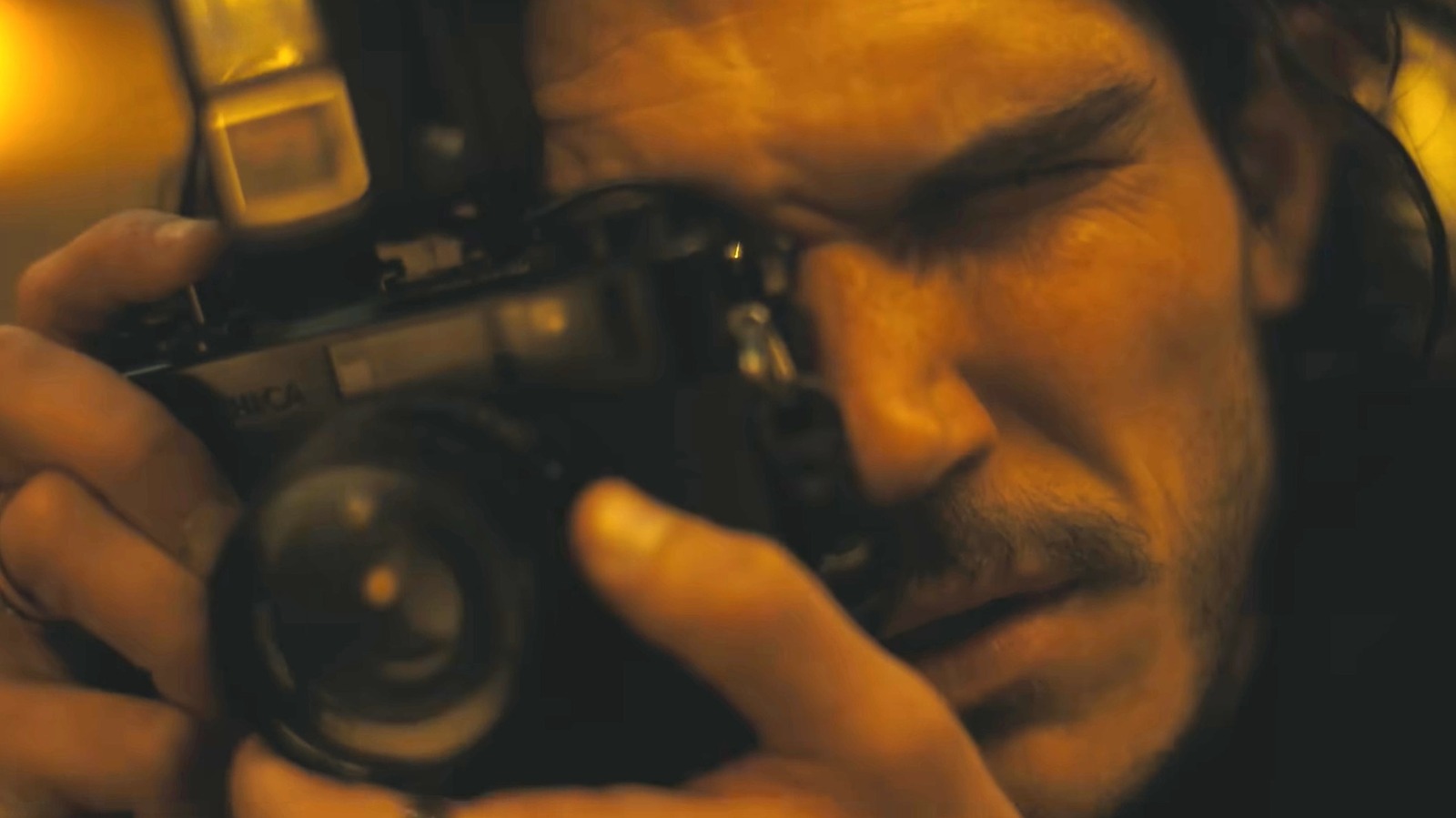
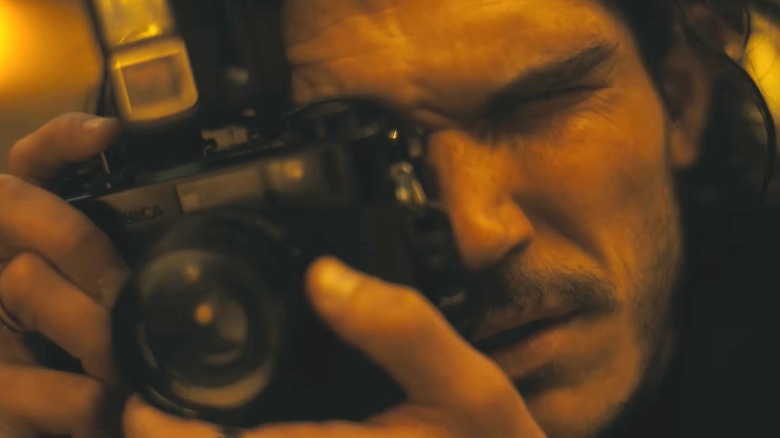
The Last Photograph represents a significant tonal shift for Snyder, who has spent the better part of two decades defined by high-concept, big-budget spectacles. The film follows an ex-DEA agent, portrayed by Stuart Martin, who embarks on a desperate journey through a volatile, unnamed South American country. His objective is to locate the children of his murdered diplomat sibling. He is accompanied by a struggling photographer—played by Fra Fee—whose eyewitness account serves as the catalyst for their perilous trek.
For fans of Snyder’s previous work—such as the visually kinetic 300 or the operatic Man of Steel—this film was intended to be a return to the grounded, smaller-scale storytelling he first envisioned back in 2010. Scripted by his longtime collaborator Kurt Johnstad, the film was designed to strip away the capes and cosmic stakes, focusing instead on the raw, often brutal reality of its setting. Yet, rather than being received as a focused character study, the film has been labeled by many early viewers as "grotesque" and "shameless," sparking a heated debate about the boundaries of onscreen violence.
A Chronology of Controversy
To understand the intensity of the reaction to The Last Photograph, one must look at the trajectory of Snyder’s career. His professional journey has been marked by a series of "rupture points" where audience expectation collided with his uncompromising vision.
- 2009: Watchmen challenged the sanctity of graphic novel adaptations, with Snyder’s decision to alter the source material’s ending drawing the ire of purists.
- 2013: Man of Steel launched the DC Extended Universe (DCEU) with a tone that many found far too bleak for the iconic Superman, initiating a debate about "grimdark" aesthetics that persists to this day.
- 2017/2021: The "Snyder Cut" movement remains one of the most significant moments in internet pop-culture history, where a highly mobilized fanbase successfully campaigned for the release of the director’s original vision for Justice League.
- 2024–2025: His work with Netflix on Army of the Dead and Rebel Moon further cemented his status as a director whose output is less a series of films and more a series of cultural referendums.
The Last Photograph is now the latest—and perhaps most intense—chapter in this ongoing discourse. Because the film arrived at TIFF with the baggage of a decade-long reputation for being "polarizing," many critics seemingly arrived at the theater with their verdict already written.
Analyzing the Violence: Art or Nihilism?
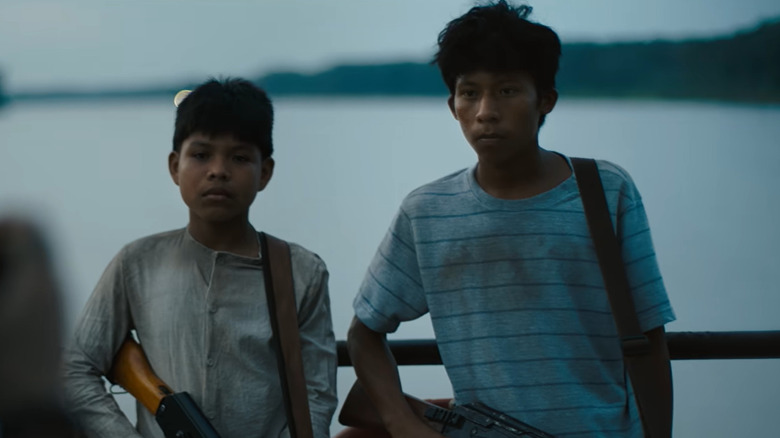
A primary point of contention regarding the film is its treatment of violence. Critics who attended the TIFF screenings have pointed to scenes of suffering involving women and children as evidence of a "callous" directorial hand. This critique has tapped into a broader cultural conversation about the responsibility of the auteur when depicting trauma.
Snyder, however, remains steadfast in his defense. He argues that his lens does not discriminate, viewing the violence in The Last Photograph as a natural, albeit brutal, force of nature. "The justice that’s doled out in the movie is in the same way that a hurricane doles out justice," Snyder explained in a recent interview with Variety. He suggests that the audience’s desire to assign a moral compass to the violence is a misunderstanding of his intent. "To try and superimpose morality over it and want the violence to mean something—the meaning is that violence doesn’t work and doesn’t get anything done."
The Digital Echo Chamber: A "Clickable" Narrative
One of the most intriguing aspects of the fallout is the disparity between the film’s actual content and the public discourse surrounding it. Snyder has noted that the volume of commentary, particularly on social media platforms, appears to be untethered from the actual experience of watching the film.
"There were only 1,200 people in the theater and there are thousands of comments!" Snyder remarked. He highlighted a specific phenomenon he has observed: the tendency for internet users to condemn the film without having actually seen it. He notes that for many, attacking Zack Snyder has become a form of social currency. "It’s more clickable to say, ‘I hate Zack Snyder! He’s a fascist!’ than it is to say, ‘I saw the movie and it was cool.’ Nobody gives a f*** about that."
This "brand" of controversy creates a self-fulfilling prophecy. Because the director’s name is a lightning rod for clicks, algorithms promote the most extreme reactions, which in turn fuels further backlash. Snyder is acutely aware that he has become a symbol for a certain type of modern cinematic debate, one that has little to do with the specific frame composition or narrative beats of The Last Photograph.
Implications for Independent Distribution
The current climate of toxicity presents a tangible business problem for the film. Unlike his previous collaborations with massive studios or streaming giants, The Last Photograph was produced independently. As it currently seeks a distribution deal, the "scathing" reviews and the inflammatory social media discourse may act as a deterrent for potential buyers.
The film finds itself in a precarious position: it is a "small" movie trapped in the gravitational pull of a "big" reputation. If potential distributors fear that the film is too radioactive to market without inviting a deluge of negative PR, the project may struggle to find a home for a wide release. This raises a larger question for the industry: when the artist becomes more famous—or infamous—than the art, does the work ever get a fair shake?
Conclusion: The Persistence of Vision
Regardless of whether one views The Last Photograph as a masterpiece of nihilistic realism or a miscalculated exercise in cruelty, one thing is certain: Zack Snyder continues to be a singular force in Hollywood. He refuses to bow to the pressures of conventional storytelling, even when the resulting fallout threatens the viability of his work.
As the film sits in limbo, waiting for a distributor to take the risk, the debate continues to rage. For those who admire Snyder, his refusal to back down from his vision is a testament to his integrity. For his detractors, it is further proof of an auteur who has lost touch with the emotional resonance required to ground his work in humanity.
Ultimately, The Last Photograph may not just be a war movie about a search for children in South America. It may well be the most honest film Snyder has ever made—not because of its plot, but because of how it exposes the current, fractured state of how we watch, judge, and consume cinema in the digital age. Whether the film eventually reaches a wide audience or remains a cult curio, it has already achieved the one thing Snyder’s work always seems to do: it has forced us to talk, to argue, and to look at the screen—and the person behind it—with unrelenting, and perhaps unfair, scrutiny.