
In a cinematic landscape currently dominated by the slasher revival and high-concept genre fare, a new project from France is set to challenge the boundaries of visceral storytelling. Sunnyside, the feature directorial debut of Yoann Luis, has officially been picked up for worldwide sales by The Coven—the powerhouse sales outfit behind the global phenomenon Terrifier 3. With a premise that explores the legalization of cannibalism as a mirror for societal decay, Sunnyside is positioning itself as both a provocative artistic statement and a significant commercial contender in the international horror market.
The Premise: A Dystopian Mirror
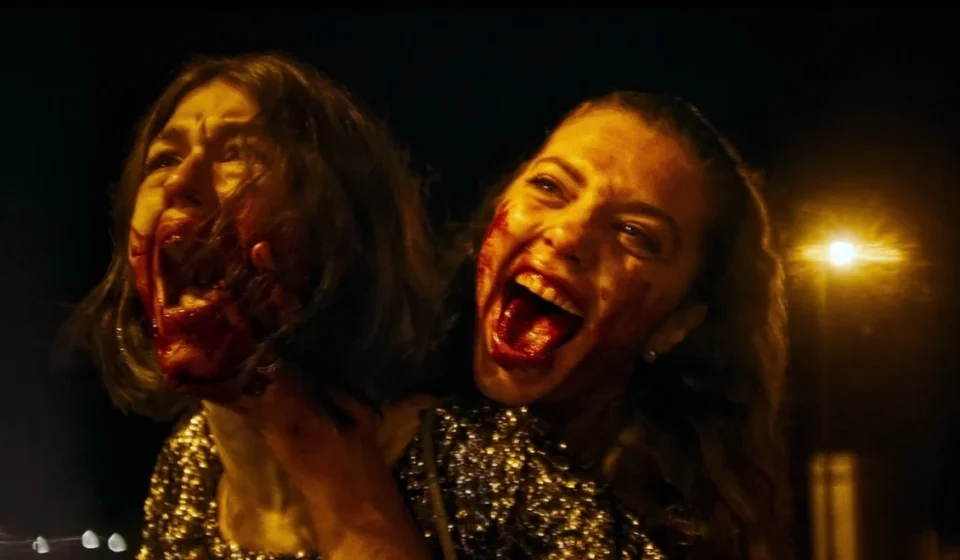
Sunnyside unfolds in a harrowing alternate reality where humanity has been reduced to a literal commodity. In this dystopian vision, human beings are raised specifically for consumption, a concept that serves as the backbone for Luis’s exploration of power, class, and the commodification of the body.
The film is an expansion of themes Luis previously explored in his short film 100% Organic, which depicted a surreal inversion where humans and animals swapped their roles in the food chain. By scaling this concept to a feature-length narrative, Luis aims to dissect the mechanisms of dominance that define modern existence.
" Sunnyside is part of the tradition of socially conscious genre cinema, where we examine power dynamics in society as humans become a resource," Luis stated in a recent interview. "The legalization of cannibalism becomes a provocative metaphor for our relationships of domination, the commodification of bodies, and social and territorial divides."
A Chronology of Development
The trajectory of Sunnyside has been marked by a deliberate focus on building a strong pedigree before moving into principal photography.
- The Conceptual Phase: Building on the critical success of his short film 100% Organic, Yoann Luis spent significant time refining the script for Sunnyside. The goal was to pivot from the absurdist tone of his short to a grounded, unsettling, and socially relevant horror epic.
- Production Partnerships: The project solidified its backing through a multi-national collaboration. Producers Luis and Axel Zeiliger (Block 8 Production) joined forces with Florent Steiner and Guillaume Natas (EV.L Prod). This team provided the foundational support necessary to move the project toward its current production phase.
- The Coven’s Involvement: The turning point for the film’s international visibility arrived when The Coven, fresh off the massive success of the Terrifier franchise, boarded the project. Their involvement brings not only sales expertise but also the marketing muscle required to turn a niche French-language horror film into a global talking point.
- Principal Photography: Filming is currently underway in the Auvergne-Rhône-Alpes region of France, a setting chosen for its atmospheric capacity to ground the film’s dystopian themes in a tactile, lived-in reality.
The Talent Behind the Lens and Screen
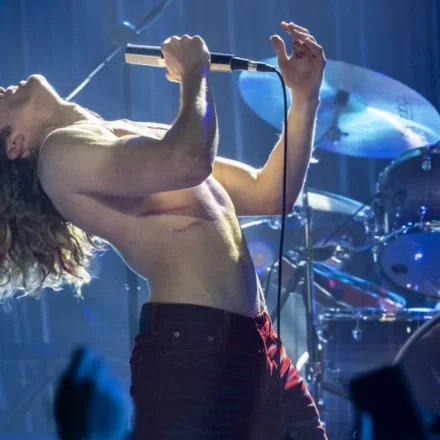
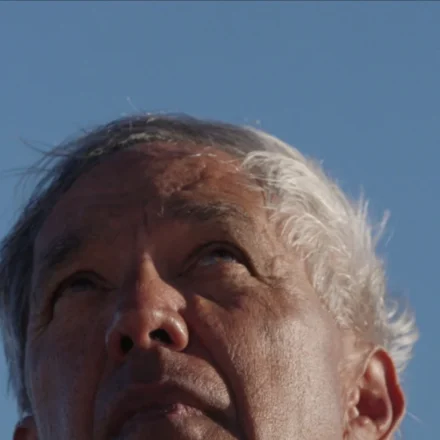
A film of this nature requires a cast capable of handling extreme emotional and physical demands. Sunnyside features a powerhouse duo: Lucille Guillaume and Rod Paradot.
Guillaume, who recently garnered attention for her performance in the horror film Mads, brings a burgeoning reputation within the genre space. She is joined by Rod Paradot, a formidable talent whose résumé includes a César Award for Most Promising Male Actor in Standing Tall and a Molière Award for his acclaimed stage performance in Florian Zeller’s The Son. The pairing suggests that while Sunnyside is a horror film, it is being approached with the gravity and performance-first methodology of a prestige drama.
Furthermore, the film’s credibility was bolstered by the addition of French genre maestro Xavier Gens as an associate producer. Gens is a titan of the French horror scene, best known for his unflinching 2007 masterpiece Frontier(s). His recent work on Netflix’s Under Paris and the hit series Lupin demonstrates his unique ability to oscillate between visceral genre storytelling and broad commercial appeal. His mentorship and involvement signal that Sunnyside is being crafted with a sophisticated understanding of both international genre tropes and high-end production values.
Supporting Data: The Commercial Engine
The commercial viability of Sunnyside is anchored by a strategic distribution network. ESC Films, the Paris-based powerhouse, has been tapped for the theatrical release in France. Their track record is impeccable, having previously shepherded high-profile genre hits including When Evil Lurks, the Terrifier franchise, The Ugly Stepsister, and The Sadness.

The Coven’s decision to spearhead the project is not merely an artistic gamble; it is a calculated business move. Following the success of Terrifier 3, which grossed over $100 million worldwide, The Coven has proven that they can turn low-budget, high-concept horror into a viral, franchise-building juggernaut.
Priscilla Ross Smith, who has lived in Lyon for over seven years, provided insight into why The Coven chose to back this specific project: "The Coven is originally a French company, and we have been looking for the perfect opportunity to invest and partner here. Sunnyside is the perfect mix of artistic and commercial themes, and the connection with the team was immediate for us."
Implications for the Horror Genre
The emergence of Sunnyside highlights several shifting trends in the horror industry:
1. The Rise of "Socially Conscious" Extremity
Horror has always functioned as a barometer for societal anxieties. By using cannibalism as a metaphor for the commodification of the human body, Luis is tapping into a vein of "elevated horror" that mirrors real-world economic instability and the dehumanization inherent in late-stage capitalism. It follows in the footsteps of films like Raw or The Platform, which use body horror to force audiences to confront uncomfortable truths about their own consumption habits.
2. The Globalizing of Local Horror
The success of international horror—specifically from France, Korea, and Latin America—has effectively dismantled the barrier to entry for non-English language films. As audiences become more accustomed to subtitles, films like Sunnyside are no longer relegated to "niche" festivals; they are being positioned as major theatrical events.
3. The Power of "Viral IP"
The Coven’s involvement suggests a long-term vision. By identifying projects that possess "viral" potential—stories that spark debate and encourage audience engagement on social media—they are changing the economics of independent filmmaking. Sunnyside is not just a film; it is a brand in the making, designed to capture the attention of a generation of viewers who prioritize bold, provocative, and highly shareable storytelling.
Conclusion: A Provocative Future
As principal photography continues in the Auvergne-Rhône-Alpes, the industry will be watching Sunnyside with great interest. Yoann Luis has managed to assemble a team that balances the raw, uncompromising spirit of French horror with the commercial acumen of the global sales market.
If Sunnyside can successfully marry its philosophical ambitions—the critique of power, the commodification of the body, and the breakdown of society—with the visceral intensity required of the genre, it could well become the next definitive entry in the annals of modern horror. In a world where the lines between the consumer and the consumed are becoming increasingly blurred, Sunnyside offers a reflection that is as terrifying as it is essential. For horror fans and cinephiles alike, this is a project to watch—not just for the shocks, but for the profound, and perhaps deeply unsettling, questions it promises to raise.