The Wizard Behind the Curtain: Alex Gibney’s Four-Hour Deep Dive Into the World of Elon Musk

By Alex Billington | September 7, 2026
In the modern era of celebrity-CEOs, few figures command as much global influence—or polarize public opinion as sharply—as Elon Musk. From the electric revolution of Tesla to the interplanetary ambitions of SpaceX and the chaotic transformation of X (formerly Twitter), Musk has positioned himself as the architect of the future. However, a new, massive documentary project from Academy Award-winning filmmaker Alex Gibney suggests that this “visionary genius” may be built on a foundation of shifting sand.
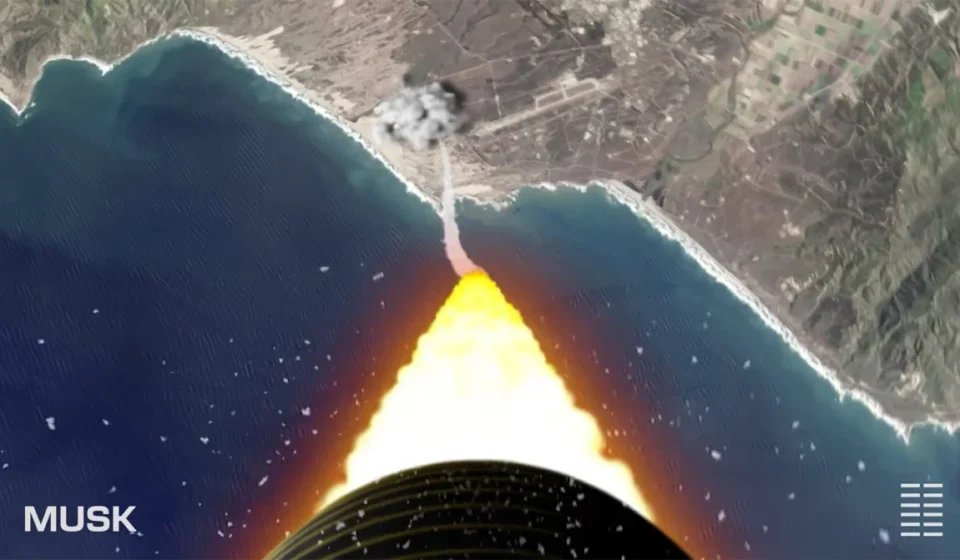
Titled simply Musk, this four-hour, two-part cinematic investigation promises to pull back the curtain on the world’s wealthiest man. Premiering at the 2026 Venice Film Festival, the film is set for a theatrical release via Bleecker Street on September 18, 2026. It marks a staggering second major contribution to the documentary landscape this year for Gibney, following his earlier work, Knife: The Attempted Murder of Salman Rushdie.
The Anatomy of an Illusion: Main Facts and Premise
Musk is not merely a biographical summary; it is a clinical dissection of power. Gibney, known for his incisive, investigative approach in films like Going Clear: Scientology and the Prison of Belief and Steve Jobs: The Man in the Machine, has structured this project to challenge the prevailing narrative surrounding the tech mogul.
The documentary is split into two distinct parts, featuring an intermission to accommodate its four-hour runtime. Its central thesis is provocative: Gibney argues that Musk is the 21st-century reincarnation of the "confidence man." By leveraging Musk’s own fascination with simulation theory and video game metaphors, the film seeks to demonstrate that the tech titan’s most heralded accomplishments are, at their core, elaborate illusions designed to mask a reality fueled by ego, drug use, and an unchecked pursuit of dominance.
A Chronology of Influence: From PayPal to the Present
To understand the scope of Gibney’s inquiry, one must look at the timeline of Musk’s rise. The documentary traces the trajectory of a man who transitioned from a background in software and fintech—most notably through the creation of PayPal—into the heavy industries of automotive engineering and aerospace.

The Early Years and the Tech Boom
The film revisits the foundation of Musk’s reputation. Long before he was the “Technoking” of Tesla, he was a fixture of the early internet era. Gibney’s lens focuses on how Musk managed to pivot from the virtual world to the physical, utilizing his early wealth to enter the notoriously difficult sectors of rocket science and mass-market electric vehicles.
The Era of "Big Promises"
The chronology moves into the era of SpaceX and Tesla, highlighting how Musk utilized government subsidies and high-profile public appearances to secure his status. Gibney points to specific technological failures and missed deadlines, questioning whether the “innovation” promised was ever truly the driving force, or if the goal was always the consolidation of capital and influence.
The Modern Megalomania
The final segment of the documentary covers the post-2020 era, characterized by Musk’s acquisition of Twitter and his increasingly political public profile. This section of the film is where Gibney’s "unmasking" becomes most aggressive, contrasting the tech visionary’s public branding with allegations of internal instability, misogyny, and erratic decision-making.
Supporting Data: Examining the "Game Master"
Gibney’s approach relies on the metaphor of the Wizard of Oz. He posits that the public is often mesmerized by the "floating visage" of the genius, while the reality is far more mundane—a man desperately pulling levers behind a curtain.
The documentary provides a forensic look at:
- Government Dependency: Contrary to the narrative of the self-made, libertarian disruptor, the film examines the significant role of government grants and taxpayer-funded contracts in the success of SpaceX and Tesla.
- The Simulation Argument: Gibney highlights Musk’s own frequent comments regarding reality being a simulation. He flips this, suggesting that Musk uses this rhetoric to detach his actions from the consequences in the real world.
- Corporate Culture: Through interviews and reports, the film alleges a workplace culture at Musk’s companies that is deeply problematic, citing high turnover, excessive pressure, and a lack of accountability.
Director’s Vision: The "Toto" Perspective
In his own words, Alex Gibney describes the film as an attempt to "forgo the master" and instead examine the "shuffling feet at the bottom of the curtain."

"In Musk, I chose to re-tell a familiar biographical tale but to forgo the master," Gibney stated. "I explored it from different angles that showed the master shot to be an illusion, and revealed a more disturbing truth. By subverting Musk’s favorite tropes of video gaming and simulations, the film conveys the dangers of becoming like the Game Master in Ready Player One."
This low-angle approach—the "angle of Toto"—allows Gibney to move beyond the celebrity worship that often defines modern coverage of Musk, grounding the narrative in the gears and levers of corporate and political reality.
Official Responses and Public Reception
As of the premiere at the Venice Film Festival, the industry response has been one of intense curiosity. Bleecker Street’s decision to release the film in theaters suggests confidence in its cultural impact. While the Musk organization has historically been litigious and dismissive of critical documentaries, the sheer scale of Gibney’s work—which includes years of research and investigative reporting—poses a unique challenge to the mogul’s public relations apparatus.
Critics who have had early access to the film note that it avoids the "hit piece" trap, opting instead for a methodical, almost journalistic, dismantling of Musk’s public image. It is designed to make the audience uncomfortable, forcing a re-evaluation of how much power we have ceded to individuals who operate outside the bounds of traditional oversight.
Implications: The Dangers of Absolute Power
The broader implication of Musk is a warning to society. By framing the documentary as a study of "power and its abuse," Gibney is asking a fundamental question for the 21st century: What happens when the most powerful man in the world, who controls everything from global communication platforms to satellite infrastructure, is driven by a personality that exhibits signs of deep-seated megalomania?
The Erosion of Trust
The film suggests that the "BS" Musk sells is not just harmless marketing, but a corrosive force that erodes public trust in institutions, science, and the media. If the visionary is revealed to be a fraud, what does that say about our collective willingness to believe in the mythology of the "billionaire savior"?

A Call for Accountability
Ultimately, Musk serves as a rallying cry for increased scrutiny. Gibney demonstrates that power is not a static object; it is something that must be earned, monitored, and, when it becomes corrupted, challenged. The documentary is less about the man himself and more about the systems that allowed him to rise to a level of influence where he can effectively alter the trajectory of our future.
Conclusion
Alex Gibney’s Musk is a monumental achievement in contemporary documentary filmmaking. At four hours, it is an exhaustive, rigorous, and often chilling examination of a man who has successfully rebranded himself as the protagonist of human progress.
Whether one views Elon Musk as a visionary or a villain, Gibney’s work forces the viewer to confront the "levers and gears" behind the curtain. As the film hits theaters on September 18th, it promises to be the most discussed, debated, and dissected media event of the fall. In an age of information overload, Gibney offers a clear, sobering perspective: look past the simulation, look past the genius branding, and look at the man. You might find that the "Wizard" is not as grand as he would have you believe.
About the Director:
Alex Gibney is an Oscar-winning filmmaker known for his prolific career in investigative documentary. His filmography includes such acclaimed works as ‘Going Clear: Scientology and the Prison of Belief’, ‘The Armstrong Lie’, ‘Citizen K’, and ‘The Crime of the Century’.
Film Details:
- Musk
- Director: Alex Gibney
- Producers: Alex Gibney, Jessie Deeter, Erin Edeiken, Zhang Xin, Nick Shumaker, Jessica Grimshaw, Dana O’Keefe
- Release Date: September 18, 2026 (US Theatrical)
- Format: 2-part documentary feature