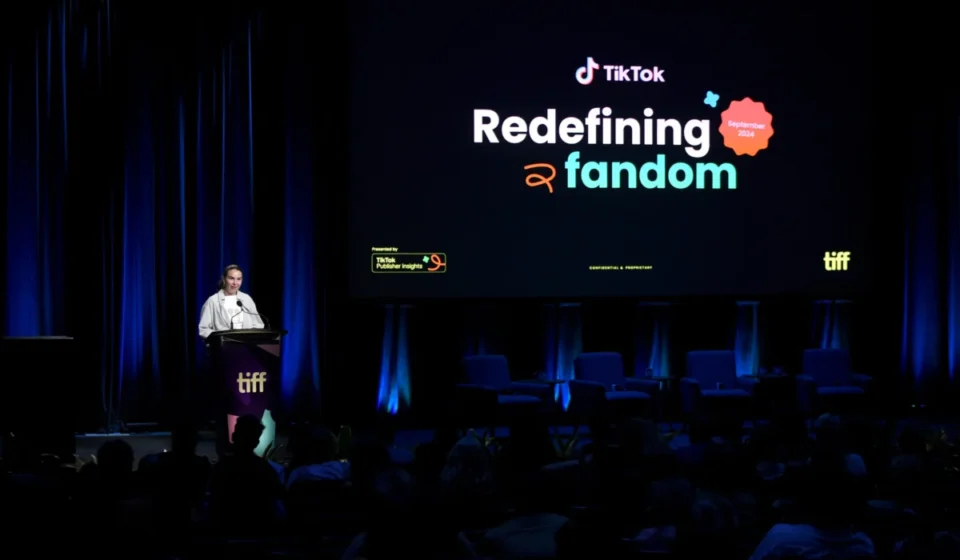

The Toronto International Film Festival (TIFF) has confirmed that TikTok will return as its official platform partner for the 2026 edition, signaling a high-profile restoration of the video-sharing giant’s relationship with major Canadian cultural institutions. The move comes following a period of intense regulatory scrutiny that saw the platform temporarily sidelined from Canadian sponsorship circuits. As TIFF prepares for its 11-day run beginning September 10, the partnership marks a strategic alignment between the world’s most influential short-form video platform and one of the film industry’s most prestigious festivals.
A Return to the Spotlight: The Facts of the Partnership
Under the terms of the new agreement, TikTok will serve as the presenting partner for the 2026 TIFF Special Presentations sidebar—a high-visibility section of the festival that often serves as a bellwether for the upcoming awards season. The partnership is designed to bridge the gap between traditional cinema and the digital-native audiences that define modern film discourse.
TikTok’s presence at the festival will go beyond mere branding. The platform is positioning itself as a conduit for "behind-the-scenes" access, leveraging its community of creators to provide real-time updates, red-carpet coverage, and exclusive insights. By bringing a hand-picked cohort of 30 "#FilmTok" creators to Toronto, the platform intends to synthesize the physical excitement of the festival with the viral potential of its global user base.
Chronology of a Regulatory Rollercoaster
The return to TIFF follows a tumultuous period for TikTok’s Canadian operations. The company’s trajectory in the country has been shaped by a complex interplay of geopolitics and corporate strategy.
The Sponsorship Freeze
In early 2024, the relationship between TikTok Canada and major Canadian events reached a breaking point. Amidst growing concerns from the federal government in Ottawa regarding the data security practices of TikTok’s Chinese parent company, ByteDance, the platform saw its existing sponsorship agreements—including those with festivals and arts organizations—effectively pulled. The Canadian government had launched an investigation into the company, citing national security concerns and the potential for foreign interference, leading many major Canadian entities to distance themselves from the brand to avoid the political fallout.
The Path to Resolution
For months, the platform’s future in the Canadian sponsorship market looked bleak. However, a significant shift occurred when TikTok entered into a comprehensive settlement with the federal government. As part of this resolution, the platform committed to specific investments in the Canadian cultural sector. These commitments include dedicated funding for Canadian creators, artists, and arts organizations, as well as initiatives to bolster the production and accessibility of Canadian content in both official languages and Indigenous languages.
While the app remained fully functional for Canadian users throughout the ordeal, the restoration of its sponsorship status with TIFF serves as a clear indicator that the federal government is satisfied with the company’s current compliance and commitments.
Supporting Data: Why TIFF Needs the TikTok Generation
The rationale behind the partnership is grounded in cold, hard metrics. TikTok has evolved from a repository of dance trends into a dominant engine of discovery for the film and television industry.
According to internal platform data, the appetite for entertainment content on TikTok is gargantuan. Over the past year, users have published approximately 12 million posts per day related to film and television. This volume of content—which ranges from long-form video essays and critical breakdowns to fan-made edits and reaction videos—has turned the app into a primary marketing tool for studios.
For a festival like TIFF, which relies on generating buzz to build momentum for its premieres, the partnership is a logical evolution. By integrating with the TikTok ecosystem, TIFF gains direct access to a demographic that traditional media increasingly struggles to reach. The festival is no longer just a physical event held in downtown Toronto; it is a global, digital conversation that lasts long after the house lights go down.
Official Responses and Strategic Vision
The partnership was announced with a clear emphasis on the symbiotic nature of the relationship. Dawn Yang, Global Head of Entertainment at TikTok, articulated the vision for the collaboration in a statement released on Friday:
"TIFF is where the film industry comes together to discover what’s next, and our platform is where a global community of over a billion people discovers new stories, builds fandom around the films and performances they love, and turns festival moments into conversations that start in Toronto and find global reach," Yang noted.
She further emphasized the role of the creator economy in this dynamic, stating, "Creators are a vital part of how that happens, so we’re proud to be bringing 30 #FilmTok creators to the festival this year. They’ll offer cinephiles around the world a front-row seat to the films and voices defining what’s next in storytelling."
The festival has curated a slate of programming that reflects this digital-first approach. TikTok will host an informal conversation during the inaugural "TIFF: The Market" event, featuring Trash Mountain actor Zooey Deschanel and writer/co-star Caleb Hearon. Furthermore, the platform will facilitate post-premiere Q&As for a high-profile lineup, including:
- The Julia Set (directed by Niki Byrne, starring Gillian Anderson and Jason Isaacs)
- The Stunt Driver (directed by Michael Dowse, starring Jay Baruchel)
- Love of Your Life (directed by Rachel Morrison, starring Margaret Qualley)
The 30 selected creators—including prominent voices such as Becca Rhodes (@theFilmTripper), Julie Nolke (@julienoke), Aïcha Bastien-N’Diaye (@aichella), and Nicky Reardon (@nicky.readon)—represent a diverse cross-section of the #FilmTok community, tasked with translating the high-brow atmosphere of a world-class festival into accessible, engaging digital content.
Implications: The New Standard for Cultural Partnerships
The return of TikTok to the TIFF fold carries significant implications for the broader cultural sector in Canada.
1. The Normalization of Digital Integration
This partnership signals that film festivals are no longer content to exist solely in the physical realm. The integration of TikTok suggests that a festival’s success is now measured as much by its online "share of voice" as by its ticket sales. Other festivals are likely to follow suit, seeking similar partnerships to remain relevant to younger, digitally native audiences.
2. Regulatory Compliance as a Competitive Advantage
TikTok’s path back to TIFF underscores a new reality for multinational tech companies operating in Canada. By agreeing to invest in the Canadian cultural sector and committing to the accessibility of Indigenous and official language content, TikTok has demonstrated that it is willing to play by the rules set by the federal government. This "cultural investment" model may become a blueprint for other tech giants facing similar regulatory scrutiny.
3. The Future of Film PR
The shift from traditional red-carpet press junkets to influencer-led Q&As and behind-the-scenes content signifies a seismic shift in how films are promoted. As the lines between critic, fan, and creator continue to blur, the film industry is finding that the "word of mouth" generated by a creator with a million loyal followers can be more effective than a traditional review in a legacy publication.
4. A Boost for Canadian Talent
Perhaps the most tangible outcome of the federal government’s pressure is the commitment to support Canadian cultural institutions. As TikTok invests in Canadian creators and artists, the festival platform serves as a springboard for local talent to gain global exposure. For the filmmakers and artists involved in the festival, the TikTok partnership provides an unprecedented megaphone to amplify their work to a global audience.
Conclusion
The 2026 Toronto International Film Festival will be a testing ground for the intersection of high-stakes cinematic art and the rapid-fire, algorithmic nature of social media. While the shadow of previous regulatory concerns remains, the alignment between TIFF and TikTok suggests a future where the two are increasingly inseparable.
As the 30 creators descend upon Toronto this September, they will be doing more than capturing content; they will be facilitating a new way for the world to experience film. In a landscape where "what’s next" is often decided by the scroll of a screen, the Toronto Film Festival has made a strategic bet that the best way to preserve the magic of cinema is to bring it to the platform where the world is already watching.