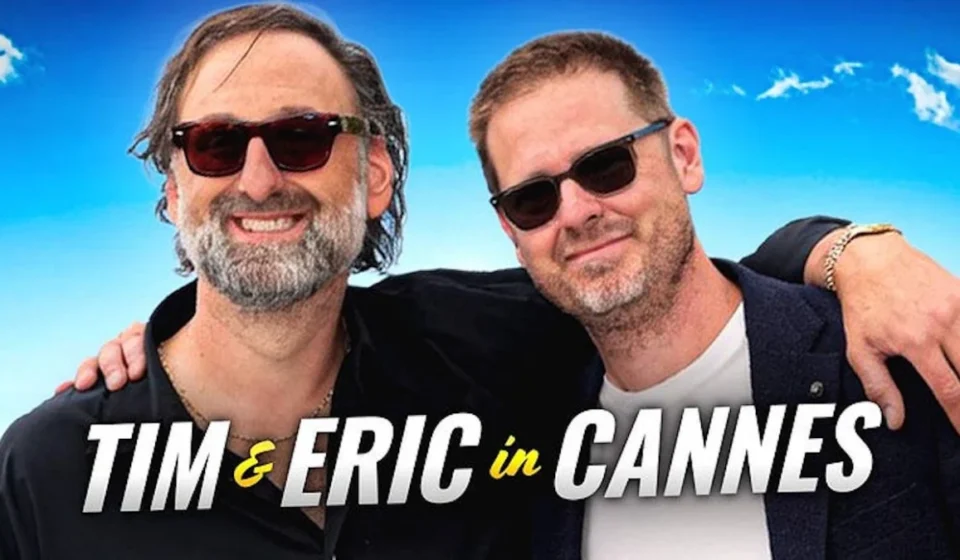

For two decades, the names Tim Heidecker and Eric Wareheim have been synonymous with the vanguard of American surrealist comedy. From their humble beginnings as students at Temple University to the fractured, psychotropic landscape of Adult Swim’s Tim and Eric Awesome Show, Great Job!, the duo has consistently dismantled the conventions of television. Now, the pair has arrived at the ultimate bastion of traditional prestige: the Cannes Film Festival.
Their presence at the 2026 festival, marked by a featured role in Quentin Dupieux’s latest film, Full Phil, serves as both a homecoming for the duo’s creative synergy and a bold statement on the shifting tides of the "creator economy."
The Genesis of an Iconoclast Partnership
The journey of Heidecker and Wareheim is a study in artistic evolution. Initially gaining cult status through public-access-style sketches that felt more like a cultural initiation rite than a comedy program, the pair managed to rewire the collective American sense of humor.
Following the conclusion of their seminal series in 2010, the duo pursued distinct, often divergent paths. Heidecker leaned into the "gonzo" multimedia psychodrama of On Cinema at the Cinema, while simultaneously touring as a musician. His recent appointment as creative director of InfoWars—a move orchestrated by The Onion as part of its acquisition of the controversial propaganda empire—highlights his shift from traditional sketch comedy to high-stakes political satire. Wareheim, conversely, pivoted toward the life of a bon vivant, finding success as a cookbook author, winemaker, and, most recently, a specialist in rare botanical imports.
Chronology of a Collaboration
The reunion of the "Beaver Boys" in Cannes is not an isolated incident but the culmination of a decade of cross-pollination between their work and the surrealist cinema of French auteur Quentin Dupieux.
- 2007: The founding of Abso Lutely Productions, establishing a foundation for independent creative control.
- 2013–2014: Wareheim solidifies his cinematic footprint with appearances in Dupieux’s Wrong Cops and Reality.
- 2025: Heidecker stars in Atropia, further expanding his range as a dramatic performer.
- April 2026: The Onion secures the intellectual property of InfoWars, with Heidecker named to lead its creative transition.
- May 2026: Full Phil premieres at the Cannes Film Festival, marking the duo’s first joint appearance in a major international feature film.
The Architecture of Full Phil
In Full Phil, described by director Quentin Dupieux as "Emily in Paris in hell," the duo appears as a pair of mad scientists—a clear homage to the Universal Horror canon of the 1930s. The film centers on a wealthy father (Woody Harrelson) attempting to reconnect with his daughter (Kristen Stewart) in Paris. Within this narrative, Heidecker and Wareheim inhabit a film-within-a-film, "chewing the scenery" with a theatrical, mid-Atlantic affectation that evokes the spirit of James Whale.
The production process itself reflected the duo’s commitment to artistic spontaneity. According to the actors, they were provided with limited script pages, often translated from French, forcing them to rely on instinctual performances rather than rigid preparation. This reliance on the director’s "odd universe" allowed the pair to bypass their usual reliance on English-language improvisation, resulting in a performance that both actors describe as refreshingly "intentional."
Behind the Scenes: The "Creator Economy"
Ahead of the film’s midnight premiere, Heidecker and Wareheim participated in an IndieWire keynote at the American Pavilion, where they were lauded as pioneers of the modern creator economy. Their transition from the "anything-goes" atmosphere of Adult Swim to the current landscape of streaming and independent media has been marked by a pragmatic approach to production.
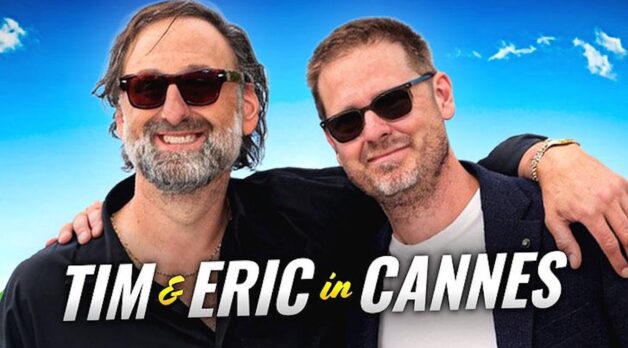
Heidecker, in particular, remains critical of the "development hell" inherent in traditional studio systems. "We were in a grad student program, all these questions and second-guessing," Heidecker noted, reflecting on past projects with major networks. By stepping away from the heavy administrative burdens of their production company, Abso Lutely, and shifting toward direct-to-consumer models like the HEI Network, the duo has reclaimed the ability to produce "pure" work without the interference of corporate gatekeepers.
Official Perspectives: The Business of Art
During a wide-ranging discussion at a Cannes hotel, the duo weighed in on the festival’s inherent absurdity. While they acknowledged the "gilded tumult" of the event—noting with a mix of awe and skepticism the sea of tuxedos and gowns—they maintained that their focus remains on the craft.
Wareheim, reflecting on his pivot from high-end dining to the world of rare plants, emphasized the parallels between his past and present endeavors. "I really feel like comedy and winemaking and even plant stuff is about giving someone this beautiful feeling," Wareheim explained. His current obsession—importing Australian grasstrees—serves as a metaphor for his broader creative philosophy: a relentless pursuit of beauty, regardless of the medium.
For Heidecker, the focus remains on the On Cinema universe and the transition of InfoWars into an incubator for satire. When asked about the surreal experience of having his work parodied by the very people he is targeting, Heidecker expressed a sense of grim satisfaction. "They can’t wrap their heads around what this is," he said, referencing Alex Jones’s attempts to frame the On Cinema cast as real-world agitators.
Implications for the Future of Independent Media
The duo’s success at Cannes signals a shift in how legacy comedians are interacting with the global stage. By moving away from the "big fat deals" of traditional studios and toward decentralized, direct-to-audience platforms, Heidecker and Wareheim are establishing a blueprint for sustained relevance.
Their ability to navigate both high-art European cinema and the cutthroat, decentralized world of internet satire suggests that the "Tim and Eric" brand is no longer just a comedy act, but a robust model for creative autonomy. As they continue to push the boundaries of what is considered "professional" in Hollywood, their influence is likely to ripple outward, encouraging a new generation of creators to prioritize the "pure stuff" over the comforts of studio-sanctioned content.
As the festival concludes and the duo looks toward their next ventures—whether in the form of further cinematic collaborations, horticultural endeavors, or the continued subversion of the InfoWars platform—one thing remains clear: Tim and Eric have successfully moved beyond the sketch show, cementing their status as architects of a new, uncompromising era of American independent culture. They are no longer just the pranksters of the internet; they are the curators of the new, strange, and undeniably essential.