
The Chinese film industry has officially closed the books on the 2026 summer season, and the narrative is one of undeniable resilience. According to a comprehensive report released by the Maoyan Research Institute, the period spanning June 1 to August 31 witnessed a robust recovery, with total box office earnings reaching RMB12.498 billion (approximately $1.86 billion). This represents a 4.45% increase year-on-year, marking the second consecutive summer of growth for the world’s second-largest film market.
The season was defined by a shift in consumer behavior, the dominance of established intellectual property (IP), and a strategic move by exhibitors to prioritize accessibility, resulting in a broader, more engaged audience.
Main Facts: The Summer of "Kung Fu Soccer"
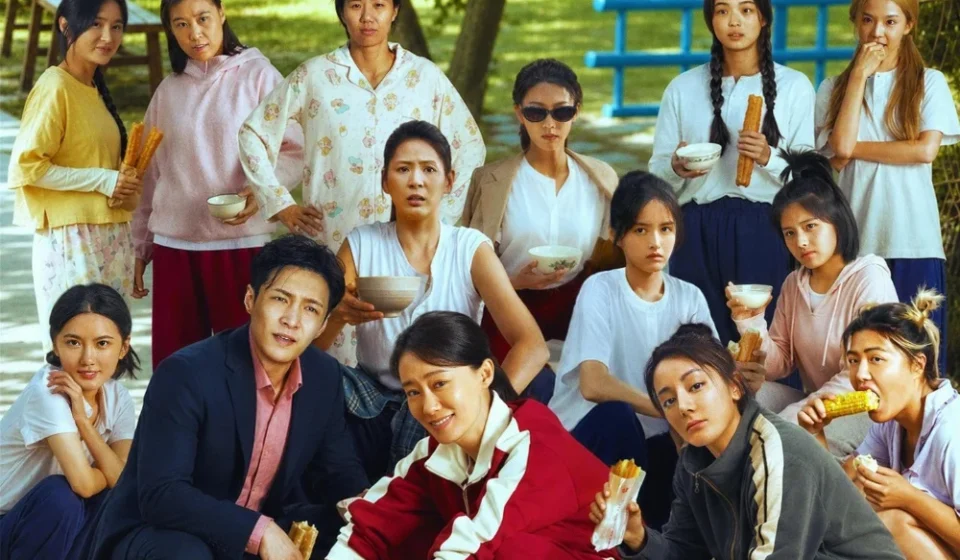
At the center of this success was Kung Fu Soccer, the latest directorial effort from industry titan Stephen Chow. The film dominated the summer charts, raking in RMB2.315 billion ($344.4 million). Its performance served as the anchor for a season that saw four distinct films cross the coveted RMB1 billion mark, signaling a healthy distribution of wealth among top-tier releases.
The top five films of the season underscored a diverse appetite among Chinese moviegoers:
- Kung Fu Soccer: $344.4 million
- Once Upon a Time in the Middle East: $290.2 million (starring Shen Teng)
- All Wishes Come True!: $274.6 million (animated)
- Spider-Man: Brand New Day: $228.9 million
- The Odyssey: $89.7 million (directed by Christopher Nolan)
While local blockbusters maintained their stronghold, international presence remained vital, with Nolan’s The Odyssey capturing the highest IMAX box office contribution rate in recent years, proving that premium large-format experiences continue to draw audiences back to physical theaters.
Chronology: A Season of Momentum
The 2026 summer season did not begin with a roar but rather a steady climb. The first few weeks of June served as a calibration period for the market, as audiences adjusted to a refreshed slate of offerings.
Early Summer (June)
As schools broke for the season, family-friendly titles began to gain traction. The release of All Wishes Come True! proved pivotal, acting as a bridge for younger demographics and families. Unlike the previous year, where growth was stagnant, June 2026 saw a consistent uptick in occupancy rates, suggesting that exhibitors were better at scheduling screenings to match real-time demand.
Mid-Summer (July)
July marked the arrival of the heavy hitters. The release of Kung Fu Soccer provided the "must-see" event of the summer, effectively turning the tide for cinema owners who had been struggling with mid-tier performance. During this period, the "solo moviegoer" demographic began to expand, a trend that Maoyan noted has now persisted for four consecutive years.
Late Summer (August)
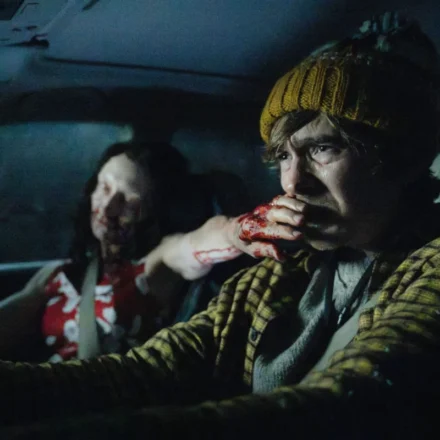
August saw the maturation of the market. While the blockbuster pace slowed, the emergence of niche genre films—specifically horror titles like Obsession and Backrooms—injected new energy into the box office. These films, produced on lean budgets by young filmmakers, punched well above their weight, proving that there is a significant, untapped appetite for original genre fare among China’s youth.
Supporting Data: The Anatomy of a Recovery
Data provided by Maoyan Pro and the China Film Administration paints a nuanced picture of the market’s health. Total cinema admissions reached 340 million, a 5.86% year-on-year increase. This surge in volume is particularly impressive given the macroeconomic climate.
Ticket Pricing Strategy
Perhaps the most significant takeaway from the 2026 data is the second consecutive year of declining average ticket prices. While counterintuitive for short-term revenue, the strategic lowering of costs served as a catalyst for broadening access. By making the theater experience more affordable, exhibitors successfully converted "casual viewers" into "frequent patrons."
Regional Shifts
Geographic trends also shifted. Tier-one cities—Beijing, Shanghai, Guangzhou, and Shenzhen—accounted for their largest share of the box office in six years. Simultaneously, South China saw a record-breaking performance, fueled by the regional popularity of films like Dear You and V. This suggests that the "blockbuster" model is becoming increasingly decentralized, with regional preferences playing a larger role in total revenue.
Operational Efficiency
Screening data indicates that the industry is becoming more data-driven. The average screening drew 8.8 admissions with a 7.2% occupancy rate. While these numbers appear modest in isolation, they represent a measurable gain over the previous year, indicating that cinemas are optimizing their schedules to avoid empty, unprofitable time slots.
Official Responses: Quality as the New Stability
Lai Li, a lead market analyst at Maoyan Entertainment, emphasized that the strength of the 2026 season was not merely a result of luck, but a reflection of a maturing industry.
"The second half of the season gained substantial momentum, which lifted both overall box office and ticket sales," Lai noted. "We saw a diverse range of genres pulling audiences back into theaters. It is clear that content quality is the bedrock of market stability. When you provide the right stories at the right price point, the audience response is immediate and sustained."
The consensus among analysts is that the "IP-first" strategy, which saw all of the top 10 films tied to existing intellectual property, is now the industry standard. However, the report also highlighted a fascinating evolution: the "Human IP." Directors and lead actors—such as Stephen Chow and Shen Teng—are increasingly functioning as brands themselves. Their involvement in a project now acts as a shorthand for quality, consistency, and expected audience experience.
Implications: The Future of the Chinese Film Market
The 2026 summer season provides several critical lessons for the future of the global film industry.
The Power of IP
The fact that every top 10 film utilized existing IP is a double-edged sword. While it guarantees a baseline audience, it raises questions about the long-term health of creative risk-taking. However, the success of low-budget horror films like Obsession suggests that the market is not entirely closed to original concepts. Moving forward, the industry will likely adopt a "two-pronged" approach: massive IP-driven blockbusters for the masses, and high-concept, low-cost original genre films to capture the youth demographic.
The "Solo" Economy
The four-year growth in solo moviegoers is a demographic shift that theater chains must address. The traditional model of the "family outing" is being augmented by the "lifestyle attendee." Cinemas may need to reconsider their seating arrangements, snack offerings, and membership programs to better cater to individual viewers who visit theaters for a personal, immersive escape.
Long-Term Resilience
The 4.45% growth, while not explosive, is sustainable. By lowering ticket prices to capture volume, the industry has managed to maintain a high level of engagement despite the competition from short-form video platforms and home streaming services. The cinema remains a social anchor in Chinese culture, and the 2026 season has proven that as long as the content is compelling, the audience will show up.
In conclusion, the 2026 summer box office was a testament to the power of strategic pricing, the enduring appeal of established star power, and the importance of regional engagement. As the Chinese film industry looks toward the autumn and winter slates, the momentum generated by Kung Fu Soccer and its peers provides a solid foundation for continued, steady growth. The message is clear: the theater is not dying; it is simply evolving to meet the sophisticated, data-driven demands of a modern audience.