
In the high-stakes world of modern blockbuster filmmaking, the screenplay is traditionally viewed as the sacred blueprint—a rigid, locked-in guide that dictates everything from camera movement to craft services. However, at the upper echelons of the Marvel Cinematic Universe (MCU), that blueprint has historically been treated more like a rough draft. As production on the highly anticipated Avengers: Doomsday continues to dominate headlines, a long-standing industry debate has been reignited: Is the "living, breathing" approach to scriptwriting a stroke of improvisational genius or a sign of a studio in disarray?
The Core Controversy: Scripting on the Fly
The debate reached a fever pitch in 2025 when DC Studios co-head James Gunn publicly criticized the industry practice of greenlighting films without completed screenplays. While Gunn did not explicitly name Marvel, the implication was clear. Despite his critique, the MCU appears undeterred. Directors Joe and Anthony Russo, the architects behind the record-shattering Avengers: Endgame, have openly confirmed that Avengers: Doomsday is being produced under a fluid, evolving script model.
In a recent interview with AP News, Joe Russo defended this methodology, characterizing the script as a "living organism."
"We’re improvisation-based, rehearsal-based directors," Russo explained. "We like to see what the actors bring to the characters, and sometimes you don’t get the actors until a few days or few weeks before you shoot them. And a lot of the time, that’s when the magic happens."
For the Russos, this is not a failure of planning; it is a tactical choice. By keeping the script malleable, they argue they can integrate the unique nuances of their star-studded cast in real-time. However, to industry purists, this "magic" is a high-risk gamble that places the stability of a multi-billion-dollar franchise on the shoulders of moment-to-moment inspiration.
A Historical Chronology of Marvel’s "Loose" Approach
To understand why Marvel remains committed to this strategy, one must look back at the studio’s foundational years. The "loose script" philosophy is not a new development for the MCU; it is a part of its DNA.
- 2008 – The Iron Man Blueprint: The genesis of the MCU, Jon Favreau’s Iron Man, was famously produced without a finished screenplay. Jeff Bridges, who played the villain Obadiah Stane, famously recalled the chaos, noting that the cast and crew often arrived on set unsure of what the day’s dialogue would be. Yet, the film was a critical and commercial triumph, largely thanks to Robert Downey Jr.’s charismatic improvisation and Favreau’s ability to find the story in the edit.
- 2019 – The Endgame Pinnacle: The Russos successfully navigated the production of Avengers: Endgame using a similar iterative process. Given the sheer scale of the film’s ensemble cast, schedules were a logistical nightmare. The ability to pivot the script allowed them to accommodate the availability of high-profile actors and refine emotional beats based on the chemistry discovered during filming.
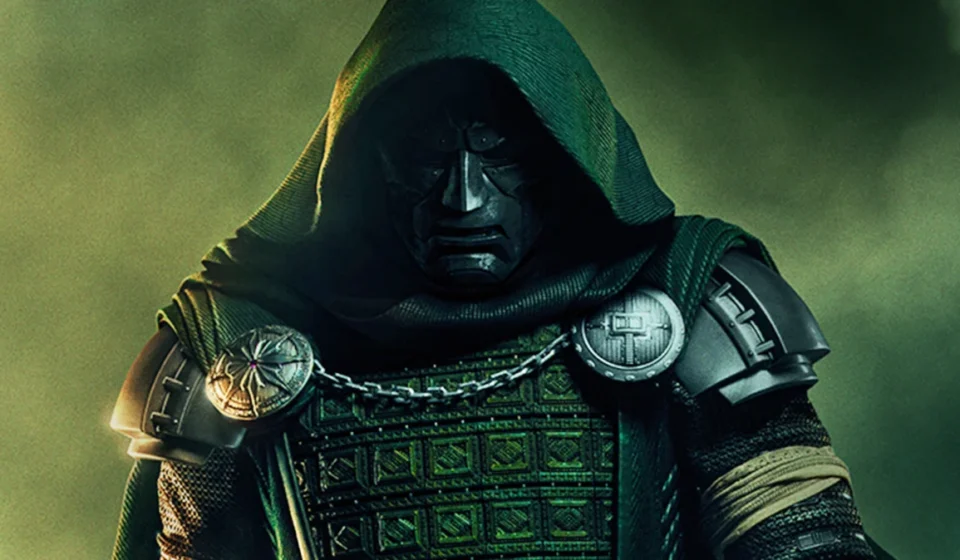
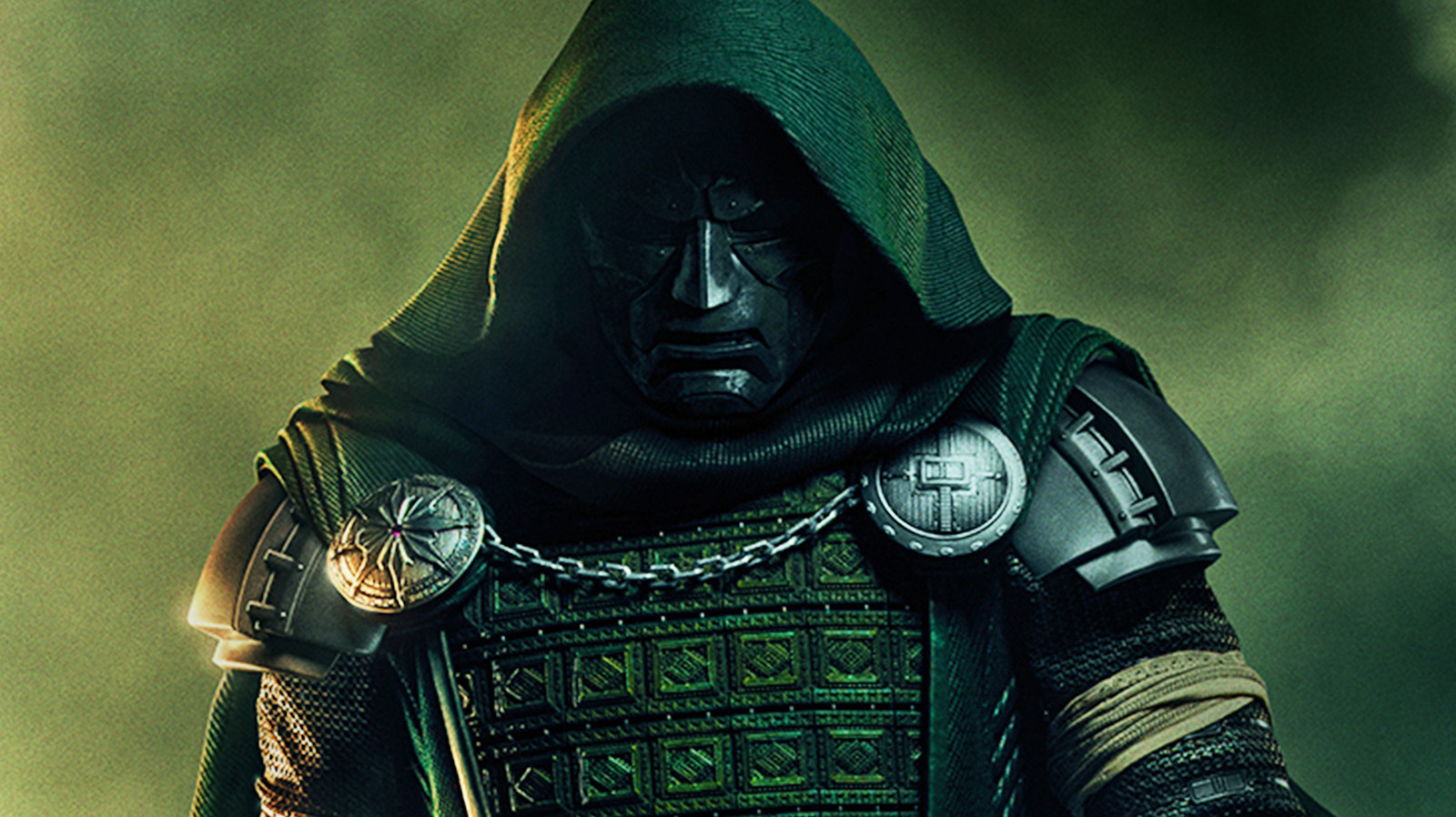
- 2025 – The Turning Point: Following the departure of Jonathan Majors’ Kang the Conqueror as the primary antagonist of the Multiverse Saga, Marvel found itself in a period of creative instability. The studio pivoted, bringing back Robert Downey Jr. in the role of Victor Von Doom.
- 2026 – The Current Climate: As Avengers: Doomsday approaches its December 18, 2026, release date, reports have surfaced—most notably from actor Rebecca Romijn—that the script was still undergoing active development while principal photography was underway.
Supporting Data: Efficiency vs. Quality
The tension between Marvel’s approach and that of its competitors is stark. James Gunn has committed to a "locked script" policy for all DC projects, a reaction to the perceived decline in blockbuster quality. Conversely, Marvel Studios President Kevin Feige maintains that the studio’s process remains consistent with its history.
"We’ve never started a movie without a full script," Feige stated in a recent interview with Variety. "And I have never been satisfied with a script that we’ve had."
This distinction is nuanced: Marvel starts with a working script, but it is rarely the final version. While this has worked for over a decade, the climate has shifted. The failure of several mid-tier superhero films across the industry—often cited for bloated budgets and incoherent narratives—has led analysts to question whether an unfinished script is a luxury that modern audiences are no longer willing to tolerate.
Furthermore, the recent box-office performance of films like Supergirl—which reportedly entered production with a finalized script only to falter commercially—complicates the narrative. It suggests that while a finished script is a tool for structure, it is not a panacea for creative engagement.
Official Responses and Internal Logic
The directors’ perspective relies on the complexity of ensemble filmmaking. When managing a production that features dozens of major stars, the "living organism" approach provides a form of insurance. If a major actor is unavailable due to scheduling conflicts or if a scene doesn’t resonate as expected during rehearsal, the directors have the freedom to rewrite the scene on the spot.
However, critics argue that this approach prioritizes the process over the narrative architecture. When a film is constantly being written, it is difficult to maintain a cohesive tone, pacing, or internal logic. In the case of Avengers: Doomsday, the pressure to course-correct following the relative stagnation of the post-Endgame era means that every scene is being scrutinized by fans and executives alike.
The Implications for the MCU’s Future
As we look toward the premiere of Avengers: Doomsday, the implications of this production style are twofold:
1. The Risk of Creative Drift
The primary danger of the "living script" is the lack of a singular vision. If the story is being constantly adapted to fit the availability of actors or the whims of a high-pressure production schedule, the central thematic arc of the movie risks becoming diluted. For a project as significant as the debut of RDJ as Doctor Doom, any perceived lack of focus could be fatal to the film’s reception.
2. The "Marvel Formula" Fatigue
The lukewarm reception to recent marketing materials, including the trailer for Doomsday, suggests that audiences are becoming increasingly sensitive to the "assembly line" feel of the MCU. If the film feels like it was "cobbled together" rather than "crafted," it may struggle to justify its massive budget, even if it performs well financially.
Conclusion: A High-Stakes Final Act
The irony of the current situation is that Marvel’s greatest strength—its ability to adapt and pivot—is now being viewed as its greatest liability. The "Iron Man" model of 2008, which allowed for spontaneity and creative freedom, was a necessity born of a smaller, more contained project. Scaling that same philosophy to a massive, multi-film crossover event carries an exponentially higher risk.
As the industry watches the clock toward December 2026, the question remains: Can the Russo brothers pull off another miracle, or has the era of "filming without a roadmap" finally hit a dead end? Whether Avengers: Doomsday is remembered as a triumph of improvisational ingenuity or a cautionary tale of studio hubris will depend on the final, finished product. Until then, the script—like the film itself—remains a work in progress.