The Spoof Returns: How the Wayans Dynasty Reclaimed Their Legacy with Scary Movie (2026)

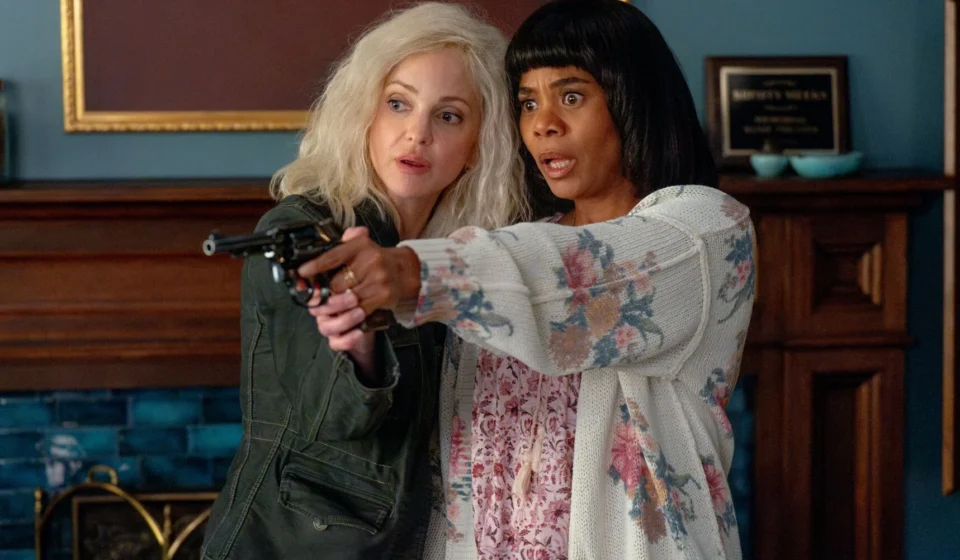
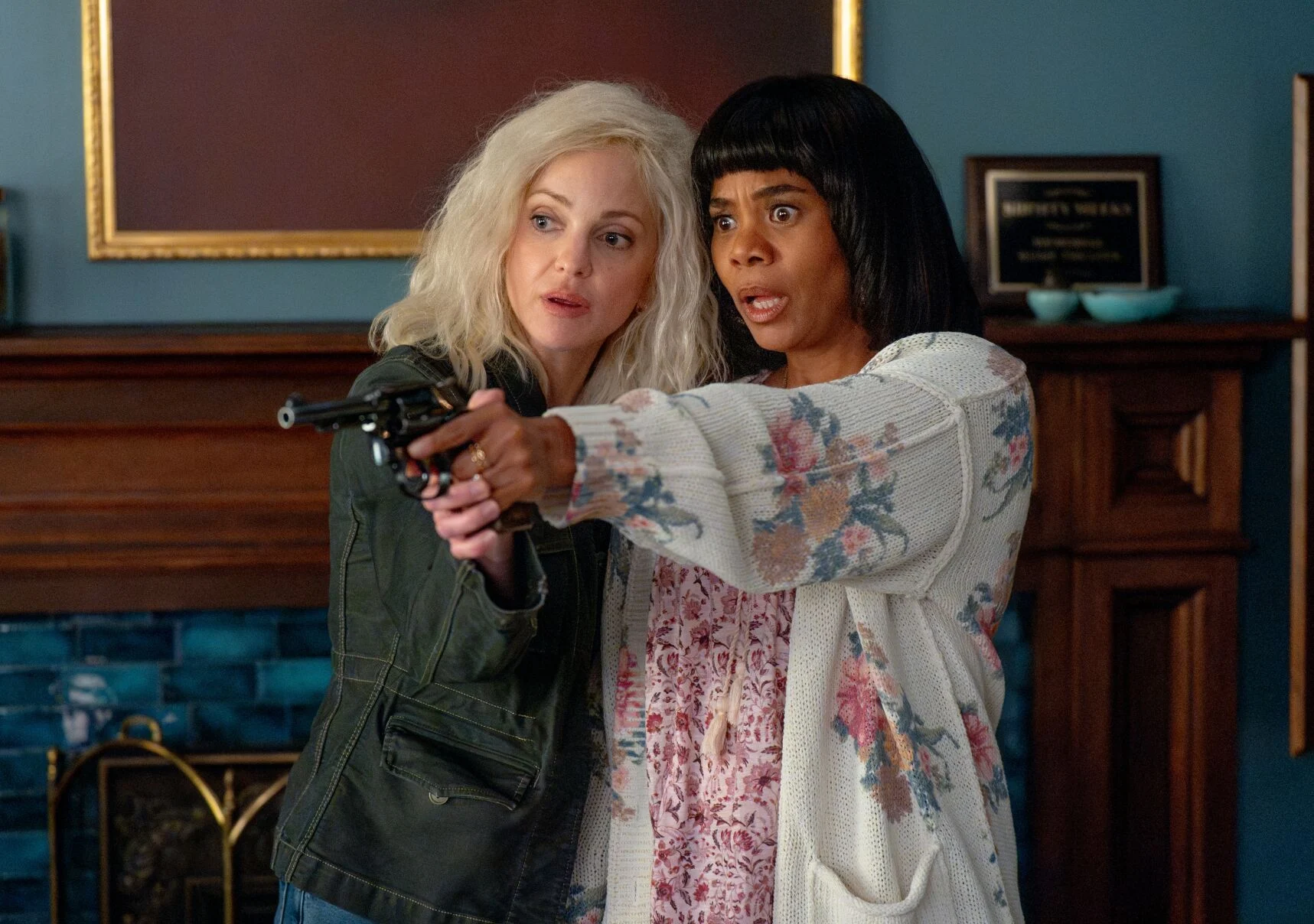
The release of the latest Scary Movie installment in the summer of 2026 serves as more than just a cinematic homecoming; it is a tactical reclamation of intellectual property and a scathing indictment of Hollywood’s treatment of Black creators. Pointedly titled simply Scary Movie—omitting the digit "6"—the film acts as a symbolic erasure of the three sequels produced in the Wayans family’s absence. For the Wayans brothers and their longtime collaborator Robert Townsend, this project is a protest, a victory lap, and a complex piece of cultural criticism wrapped in the familiar, crude, and lightning-fast comedic packaging that defined a generation of genre-bending satire.
The Chronology of a Comedy Dynasty
To understand the weight of the 2026 reunion, one must look back to the inception of the Wayans’ influence on the spoof genre. The lineage begins with the comedy team of David Zucker, Jim Abrahams, and Jerry Zucker (ZAZ), whose 1980 masterpiece Airplane! revolutionized the "hyper-dense" spoof. By elevating stupidity to an art form, ZAZ provided a template for rapid-fire, reference-heavy humor that bypassed the political divisiveness of the era.
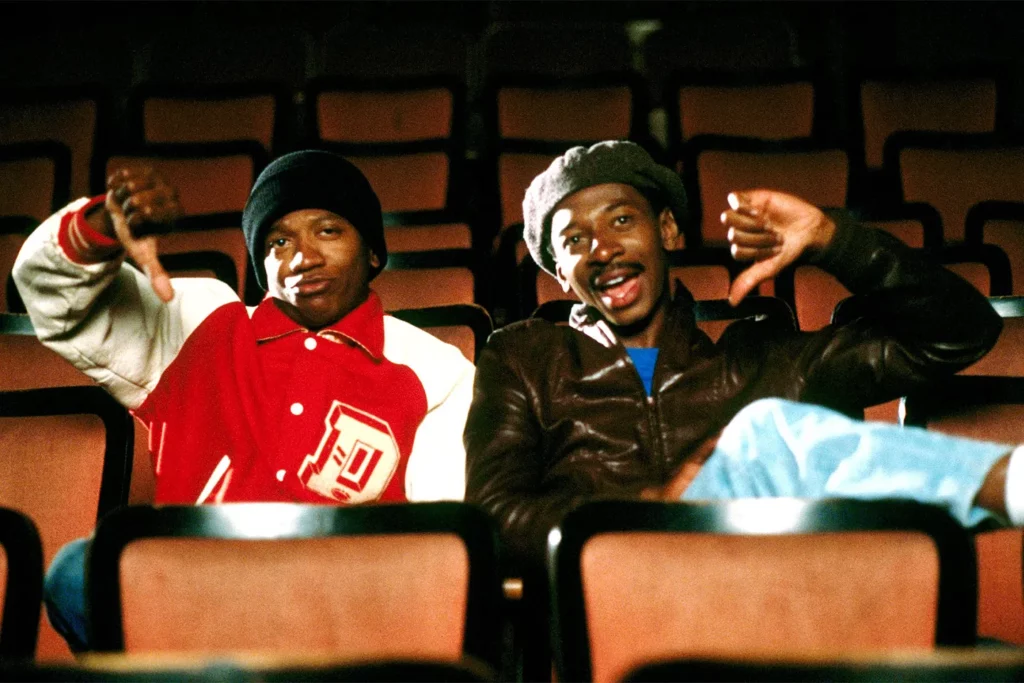
However, it was the partnership between Keenen Ivory Wayans and Robert Townsend that evolved this form into something more biting. In 1987, Hollywood Shuffle debuted, blending the ZAZ recipe with the razor-sharp racial satire pioneered by Richard Pryor. Hollywood Shuffle was a meta-commentary on the limited, often demeaning roles available to Black actors in the industry. It was not just a comedy; it was an act of defiance.
This momentum led directly to the creation of the sketch comedy juggernaut In Living Color (1990–1994), which served as the "finishing school" for the Wayans family. The show did more than just parody pop culture—it interrogated the white power structure’s mediation of Black culture. By the time the Wayans released Don’t Be a Menace to South Central while Drinking Your Juice in the Hood (1996), they were no longer just spoofing films; they were roasting the very studio machine that commodified Black trauma through the "hood flick" boom of the early 90s.
The year 2000 marked the zenith of this evolution with the original Scary Movie. By taking the slasher revival films of the era and injecting them with the Wayans’ signature brand of anarchic, meta-fictional humor, they created a cultural phenomenon. It was an explosive success, turning a $19 million budget into a $278 million global windfall. But the subsequent corporate entanglement with the Weinsteins—and the resulting compensation dispute in 2001—led to a bitter, two-decade-long divorce between the creators and their most lucrative franchise.
The "Ouroboros" of Spoof Cinema
The years following the Wayans’ departure saw the franchise flounder. With David Zucker stepping in to helm Scary Movie 3 and 4, the series drifted away from the specific, incisive cultural commentary that grounded the original films. As Marlon Wayans recently noted in an interview with GQ, the experience of watching the franchise continue without the family’s involvement felt like "watching your child become a crackhead."
This period became a textbook example of the industry’s tendency to treat Black creative visionaries as disposable, keeping the intellectual property while discarding the vision. The 2026 Scary Movie functions as the antithesis to that period. By bringing back almost the entire original cast after 25 years, the film transcends mere nostalgia. There is a palpable sense of warmth in the performances that suggests the actors are not just reprising roles, but reclaiming a stolen birthright.
The film’s humor relies heavily on "object-permanence callbacks"—references to both the original Scary Movie and the contemporary landscape of horror cinema. While the franchise has always been known for its crude, offensive, and "piss-and-fart" style of comedy, the 2026 installment adds a layer of surprising profundity. The screen chemistry reflects a genuine emotional reunion, marking a shift in the profane formula the Wayans have relied upon for four decades.
Supporting Data: Commercial and Critical Impact
The financial success of the 2026 Scary Movie proves that the audience’s appetite for the Wayans’ brand of satire remains undiminished. Pulling in $172 million at the global box office in its first two weeks, the film has effectively secured its future as an ongoing series.
Comparing this to the history of the genre, we see a clear correlation between the Wayans’ creative control and financial viability. Hollywood Shuffle and Don’t Be a Menace were built on limited resources but achieved cult status because they offered a perspective that was otherwise absent in mainstream film. When that perspective was removed from the Scary Movie franchise, the creative spark dimmed, even as the studio continued to churn out content. The 2026 comeback confirms that the audience recognizes the difference between a studio-mandated parody and a genuine work of subversive comedy.
Official Responses and Industry Reflections
The filmmakers behind the 2026 project are candid about their influences. Robert Townsend, reflecting on his early career with Keenen Ivory Wayans, points to the influence of Blazing Saddles and Kentucky Fried Movie. Yet, he is equally quick to credit the necessity of "saying no."
Townsend recounts a pivotal encounter with the legendary Sidney Poitier, who advised him that the only way to maintain dignity in an industry that rarely afforded it to Black creators was to possess the power to walk away. For the Wayans and Townsend, the return to the spoof genre is not a retreat into old habits, but a strategic use of a familiar voice to address new realities.
The broader landscape of Hollywood has shifted significantly as well. The success of Ryan Coogler’s Sinners (2025)—a horror film exploring the exploitation of Black art—which grossed $370 million and shattered Oscar nomination records, suggests a seismic change in the industry. Whether this shift is a direct result of the Wayans’ decades-long critique or simply a sign that the industry is finally "getting the message," the result is the same: creators who once had to fight for scraps are now the architects of the mainstream.
Implications: The Future of the Spoof
The 2026 Scary Movie is not merely a film; it is a declaration of independence. By effectively "re-writing" the history of the franchise, the Wayans have asserted that they are the sole owners of their creative identity.
The implications for the industry are profound. We are witnessing a cycle where creators are increasingly refusing to be relegated to the margins of their own successful projects. The "spoof" genre, once dismissed as low-brow, is being re-evaluated as a legitimate vehicle for cultural criticism. When Marlon Wayans mocks the caricatures of the 90s in his current performance, he is doing so with the authority of someone who helped define those tropes and then spent a career dismantling them.
As the franchise moves forward, the "Scary Movie" brand will likely continue to evolve. It will undoubtedly remain raucous, offensive, and occasionally juvenile, as that is the bedrock of the franchise’s appeal. However, it will also remain a vessel for the Wayans’ specific, sharp-tongued critiques of the entertainment industry.
In a landscape where the "Brother Always Dies First" is no longer a given and where Black directors are leading the most profitable horror films in history, the Wayans family finds themselves in a unique position. They are no longer just the "outsiders" throwing rocks at the glass house; they have built their own structure, and they have the final say on who gets to be the butt of the joke. The legacy of the Wayans is not just in the comedy they created, but in their refusal to let the industry define them—a lesson they have spent 25 years teaching the world, one laugh at a time.