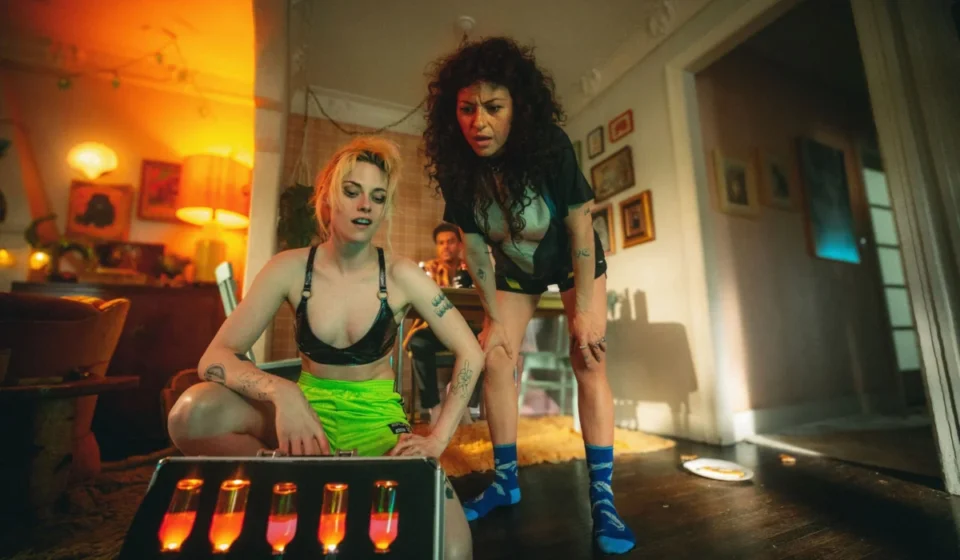
The "Woolly" Rebellion: Inside the 14-Year Manifestation of The Wrong Girls

In an era of high-gloss, committee-approved blockbusters and algorithm-driven cinema, The Wrong Girls arrives as a refreshing, albeit polarizing, outlier. Directed by Dylan Meyer and produced by longtime collaborator Maggie McLean, the film operates on a frequency that is intentionally specific. It is not designed to appeal to everyone; rather, it is a targeted, deeply personal love letter to a version of Los Angeles that rarely makes it onto the silver screen.
As the film makes its theatrical rounds, it has sparked a conversation about the viability of the "stoner comedy"—a genre that many critics argued had gone stale in the wake of widespread legalization. By prioritizing a "woolly," tactile aesthetic over the sterile perfection of modern digital filmmaking, Meyer and McLean have managed to carve out a niche that is resonating with audiences who are tired of the industry’s status quo.
A Fourteen-Year Journey of Manifestation
The road to The Wrong Girls was anything but linear. The project began nearly a decade and a half ago, when Meyer and McLean were living the same paycheck-to-paycheck reality that now defines their onscreen protagonists, Frankie and Molly.
"I remember sitting in our old back house, broke as shit, when we were 24, 25 years old, just talking about this movie for the first time," McLean recalled during a candid, intimate Zoom conversation. "The amount of times I’ve just been on the phone with Dylan where I’m like, ‘Dylan, dude, we’ve got to keep going. We’re going to manifest The Wrong Girls. The world needs this movie.’"

This period of development was a grueling emotional rollercoaster. The production secured and subsequently lost financing multiple times, leaving the team in a state of perpetual limbo. For Meyer, who has since built a successful screenwriting career with credits such as XOXO, An American Pickle, and Moxie, the uncertainty was taxing.
"We had the money, we lost the money, we had the money, we lost the money," Meyer admitted. "I was starting to hit a zen acceptance of, ‘Maybe this just isn’t the right thing.’ I did not give up ever, which is very unlike me. I actually love to give up."
The project faced a near-fatal blow when star Alia Shawkat became unavailable due to pregnancy. For Meyer, the loss felt insurmountable. "I cried through the entire TreePeople park," she said. "I was on a hike with my family, weeping because there was no other Molly for me, and there never has been." Ultimately, the series of delays proved to be a blessing in disguise. The break allowed the team to regroup, bringing back Shawkat, cinematographer Todd Banhazl, and costume designer Heidi Bivens at a time when their schedules finally aligned.
Box Office Realities and Critical Reception
The film’s commercial performance reflects its niche appeal. In its opening weekend, The Wrong Girls earned approximately $406,000 across 520 theaters via distributor Neon. Critics have been divided; the film holds a 56 percent approval rating on Rotten Tomatoes and a 59 on Metacritic.

However, these figures fail to capture the film’s growing cult status. On Letterboxd, the film maintains a warmer 3.3-star average, suggesting that it is finding its intended audience. For the production team, these metrics are secondary to the goal of creating something authentic. The film stands as a testament to the idea that a project doesn’t need universal acclaim to be successful if it speaks directly to its community.
Production Amidst the Ashes
The production of The Wrong Girls is a story of resilience that mirrors the themes of the film itself. The team had at one point scouted locations in New Jersey, considering the possibility of "faking" the Los Angeles landscape to cut costs. Ultimately, they were able to film on location in L.A., beginning production shortly after the devastating wildfires of January 2025.
As one of the first major projects to resume work in the area, the production became a communal effort. The crew included several local residents who had been displaced by the fires, a circumstance that injected an raw, authentic energy into the production. This "communal vibe" became a defining characteristic of the film, separating it from the "glossy mythology" of Hollywood transplants often depicted in mainstream cinema.
Redefining the Los Angeles Narrative
For Meyer and McLean, both SoCal natives, the mission was to dismantle the tropes associated with the city. They reject the "dreamer" narrative—the idea that everyone in L.A. is waiting for their big break or frantically networking at festivals. Instead, they present a city of "townies"—people who love L.A. for its grit, its hidden corners, and its "woolly" atmosphere.

"Most of our friends are in industries outside entertainment," McLean noted. "We want nothing except good times and good vibes. We have no expectations of this city at all. We just love it for exactly what it is."
To capture this, production designer Katie Hickman utilized objects directly from the homes of the filmmakers. The "Casa de Chill Zone" living room is an extension of their real lives; the cardboard Celine Dion cutout that appears on screen was inspired by a real-life Roy Orbison cutout that served as a "third roommate" in their earlier years. By filling the space with their own history, the team ensured the film felt lived-in rather than engineered.
The Politics of the "Chill Zone"
The film’s central philosophy—that retreating to a "Chill Zone" to wait out societal chaos is a valid response to a volatile world—has struck a chord with viewers. In a political climate marked by constant digital noise and high-stakes competition, the desire to opt-out is presented not as laziness, but as a form of survival.
"Being able to chill is something America doesn’t value highly," Meyer explained. "The idea that your house is an oasis where you can hide from the darkness and take a break is kind of radical. They’re fighting for their right to kick it in a chill way and to have their primary partner be their best friend."

This perspective extends to the way the film handles the "stoner" label. While cannabis is increasingly mainstream, Meyer and McLean argue that being a "female deadbeat" remains a transgressive act. Society continues to police how women dress, how they act, and whether they are allowed to be "messy." By allowing Frankie and Molly to exist in a state of perpetual, unbothered comfort, the film challenges the expectations placed on women to always be "shiny and perfect."
A Blueprint for Future Filmmaking
As the film continues its theatrical run, the creative team remains committed to the idea that small-scale, personal storytelling is a viable path forward. Meyer has expressed no interest in high-budget, "committee-based" projects.
"I’m not trying to make a Marvel movie," she stated. "My dreams are under $15 million so we can achieve creativity and freedom. If you aren’t trying to become a billionaire, you can make your life all kinds of ways and be happy and successful on your own terms."
Ultimately, The Wrong Girls serves as a case study in artistic conviction. It is a film that refuses to be "slick," opting instead for a texture that feels human, flawed, and profoundly honest. Whether or not it achieves mainstream success is perhaps beside the point; for Meyer and McLean, the film has already succeeded by staying true to its own "wrong" nature, proving that there is still a place in cinema for the shaggy, the weird, and the unapologetically chill.