The Arena of Art: How Global Film Festivals Became the Frontlines of Political Discourse

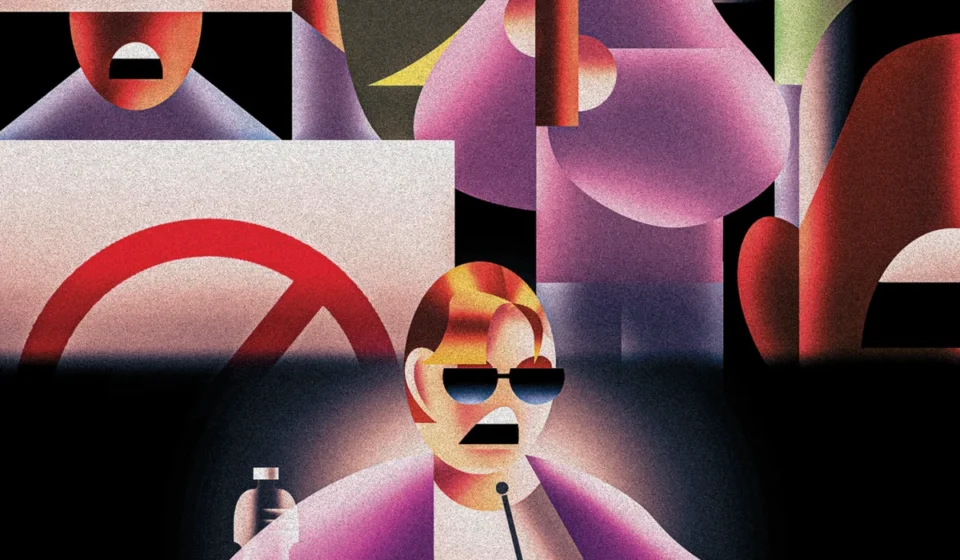
In an era defined by geopolitical instability, the international film festival circuit—once a sanctuary for cinephiles and industry networking—has transformed into a volatile landscape of ideological warfare. From the red carpets of Berlin to the coastal boulevards of Cannes and the historic lido of Venice, the world’s most prestigious cinematic gatherings are no longer just celebrating the art of the moving image. Instead, they are grappling with the immense pressure to serve as proxies for global political crises, ranging from the Israel-Hamas war and the Russian invasion of Ukraine to the looming, existential disruption of artificial intelligence.
As these festivals navigate an increasingly polarized world, artistic directors are finding themselves at the center of firestorms that threaten to overshadow the very films they seek to promote. The question currently gripping the industry is whether these festivals can remain "spaces of cultural coexistence" or if they are destined to become casualties of the very political divisions they attempt to highlight.
A Chronology of Confrontation
The 2024 festival season set a frantic pace early on. At the Berlin Film Festival in February, the friction between art and advocacy reached a breaking point. During a press conference, jury president Wim Wenders, the legendary filmmaker behind Wings of Desire, faced a barrage of questions regarding the conflict in Gaza. His response—that directors should perhaps "stay out of politics"—ignited an immediate and fierce backlash. The fallout was swift; esteemed author Arundhati Roy withdrew from the festival in protest, and artistic director Tricia Tuttle found herself managing a media storm that nearly engulfed the event’s reputation.
The intensity migrated to the French Riviera in May. At the Cannes Film Festival, the focus shifted from the Middle East to the influence of corporate power on cinema. Thousands of film professionals—including industry titans like Javier Bardem, Mark Ruffalo, and Ken Loach—signed a petition condemning the ideological influence of right-wing billionaire Vincent Bolloré. As the majority shareholder of Canal+ and a major investor in French cinema, Bolloré has become a lightning rod for concerns over media consolidation. The atmosphere became so charged that audiences were heard booing the Canal+ and StudioCanal logos during film screenings, signaling a growing resentment toward the corporate capture of the medium.
Cannes also served as the ground zero for the industry’s brewing crisis regarding artificial intelligence. Juror Demi Moore, speaking to the press, attempted to bridge the gap between fear and pragmatism, stating, “AI is here, and so to fight it is to fight something that is a battle we will lose.” Her comments, while intended to be a call for strategic adaptation, triggered a firestorm of online criticism from those who view AI as an existential threat to creative labor.
The Venice Dilemma: The Lido as a Political Battleground
As the industry turns its gaze toward the Venice Film Festival, the political discourse has arrived even before the first screening. The Venice Biennale, which oversees the festival, has found itself in a high-stakes standoff with the European Commission.
In April, the Biennale was lambasted for permitting Russia and Israel to maintain pavilions at the international art exhibition. The European Commission, citing a commitment to "safeguard democratic values," withdrew €2.3 million in funding from the Biennale Foundation. A spokesperson for the EU stated clearly that those values are "not respected in today’s Russia."
Biennale president Pietrangelo Buttafuoco, in a rare display of combative public rhetoric during the July selection press conference, accused Brussels of hypocritical double standards. "They are pulling $2.3 million in funding from the Biennale while also giving [Vladimir] Putin $5.9 billion in liquefied natural gas contracts in six months," Buttafuoco retorted. His argument rests on the statutes of the Biennale, which define it as a "space of cultural coexistence" that must remain free from censorship and geopolitical gatekeeping.
Supporting Data: A Lineup of Contention
Alberto Barbera, the artistic director of the Venice Film Festival, has openly embraced the current climate, characterizing this year’s selection as "the most political in recent years." When the lineup was unveiled on July 23, it was clear that the festival intends to confront the defining crises of the decade.

The festival will open with Danny Boyle’s Ink, a film that examines the rise of Rupert Murdoch and the role of the British tabloid The Sun in fostering right-wing populism. Produced by a StudioCanal-affiliated entity, the film is a meta-commentary on the power of media—a fitting, if ironic, choice given the recent backlash against Bolloré.
Other notable entries include:
- "Musk": Alex Gibney’s four-hour documentary investigation into the public and private life of Elon Musk. Kent Sanderson, CEO of distributor Bleecker Street, describes the film as "explosive," promising revelations that will shift the narrative around the tech mogul.
- "A Bit of Light": Iranian director Ali Asgari’s drama concerning a dissident doctor in Tehran, reflecting the internal pressures facing Iranian artists.
- "Citizen Osama": A film by Palestinian director Ahmed Hassouna that documents the life of a photographer attempting to balance fatherhood with the harrowing realities of reporting from Gaza.
- "My Undesirable Friends: Part II — Exile": Julia Loktev’s deep dive into the lives of independent Russian journalists forced into exile, highlighting the "deep malaise" within the Russian cultural sphere.
- "They’re Here": A documentary short by Laura Poitras focusing on protests against ICE raids in Minnesota, bridging the gap between American political turmoil and international interest.
Official Responses and the "Neutrality" Myth
The pressure on festival leadership to act as a moral arbiter is immense. However, industry veterans are divided on whether this is the appropriate role for a film festival.
Jonathan Rutter, head of the U.K.-based Premier Public Relations, warns that the industry is falling into a trap of "lazy journalism." He suggests that the modern media cycle demands inflammatory sound bites, often at the expense of substantive discussion about the films themselves. "The problem is that the media these days is increasingly about sound bites and headlines," Rutter notes. "It’s slightly lazy to pump actors and directors with prickly political questions for clickbait."
Andrea Romero, head of the Italian distribution firm I Wonder Pictures, advocates for a middle ground. While he believes artists should take a stand when they possess the competence and the platform to do so, he argues that "it’s civil and responsible" for talent to decline to comment on complex geopolitical issues they may not be prepared to address.
This sentiment was underscored by the experience of last year’s Venice jury president, Alexander Payne. When questioned about the humanitarian crisis in Gaza, Payne confessed, "I feel a little bit unprepared for that question. I’m here to judge and talk about cinema." Despite his desire to remain focused on the craft, he was later criticized by Italian media for failing to award the Golden Lion to Kaouther Ben Hania’s Gaza-set The Voice of Hind Rajab, despite the film receiving a record-breaking 22-minute standing ovation.
Implications: The Future of the Festival Circuit
As Venice moves forward, it faces a unique challenge in the realm of technology as well. In a bold, potentially controversial move, the festival is screening Be Brave, a 90-minute documentary created entirely with artificial intelligence. By including this film, Barbera is forcing the industry to move beyond abstract debates and engage with the reality of AI as a creative tool. "It’s the role of festivals today to tackle this topic, going beyond the prejudices that seem to dominate the conversation," Barbera stated.
The implications for the future are clear: the era of the "neutral" film festival is effectively over. Festivals are now forced to function as public squares, where the tension between artistic freedom, corporate influence, and global political accountability collide.
While figures like Barbera maintain that the festival should remain a sanctuary for dialogue, the reality is that every choice—from the films programmed to the jury members selected—is now interpreted through a political lens. As the Lido prepares for its upcoming edition, it is clear that cinema has become inseparable from the political friction that defines our modern age. Whether this will lead to a new era of engagement or the slow erosion of the festival as a space for pure artistic appreciation remains to be seen. What is certain, however, is that the red carpet has become the most scrutinized terrain in the world.