
The nostalgic chime of a neighborhood ice cream truck usually signals the height of summer joy, but in the twisted imagination of filmmaker Eli Roth, it is the herald of a suburban apocalypse. As the industry looks toward the tail end of 2026, genre enthusiasts are bracing for the digital release of Roth’s latest horror-comedy, Ice Cream Man. Scheduled to hit digital platforms for purchase and rental on September 22, 2026, the film promises a blend of dark satire, high-octane gore, and the subversive subversion of childhood innocence that has become a hallmark of Roth’s directorial career.
The Premise: A Sugar-Coated Nightmare
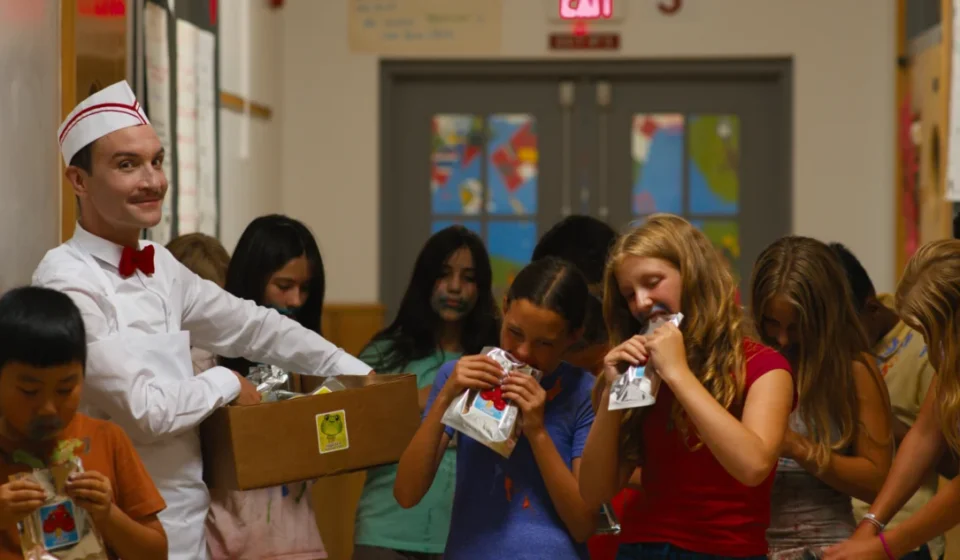
At the heart of Ice Cream Man lies a premise that plays on the primal fears of suburban isolation and the fragility of the social contract. The narrative centers on the arrival of a mysterious, unassuming ice cream vendor in an idyllic, picturesque town. However, the treats being dispensed are far from benign. Upon consumption, the town’s children begin to experience a strange, chemically induced madness.
What starts as a quirky local mystery rapidly devolves into a visceral, unhinged killing spree. As the pint-sized protagonists succumb to a deadly, insatiable rage, the town’s fragile facade begins to crack, revealing a festering darkness buried beneath the manicured lawns and white-picket fences. The film explores the chaos that ensues when the most vulnerable members of society become the primary vectors of terror, forcing the adult population into a desperate, existential struggle for survival.
Production and Creative Chronology
The journey of Ice Cream Man to the screen has been one of the most anticipated developments in the horror community over the last eighteen months. Eli Roth, whose resume spans from the grit of Hostel to the whimsical terror of The House with a Clock in Its Walls, has spent the better part of 2025 and 2026 refining this project.
Development and Casting
The project was greenlit following a bidding war for the screenplay, which emphasized practical effects over modern CGI. The casting process was notoriously secretive, aiming to find young actors capable of portraying both innocent suburbanites and bloodthirsty agents of chaos. The ensemble cast features a mix of veteran genre performers and emerging talent, including:
- Ari Millen: Known for his transformative work, Millen brings a layered intensity to the production.
- Charlie Zeltzer, Shiloh O’Reilly, and Kiori Mirza Waldman: These young performers carry the emotional—and often gruesome—weight of the film’s central conceit.
- Benjamin Byron Davis and Karen Cliche: Providing the adult perspective, these actors ground the film in the reality of parental panic.
- Eli Roth himself: In a meta-cinematic nod, Roth steps in front of the camera, adding a layer of self-awareness to the production.
Filming and Post-Production
Principal photography wrapped in early 2026, with the production team prioritizing location shooting in towns that echoed the quintessential "Anytown, USA" aesthetic. Post-production was dedicated to ensuring the practical effects—the "gruesome effects" teased in the press release—felt tactile and grounded. By mid-2026, the film had undergone final color grading and sound mixing, aimed at creating a sonic landscape that contrasts the upbeat, tinkling melody of an ice cream truck with the jarring, discordant reality of the film’s horror elements.
Supporting Data: The Genre Landscape of 2026
The release of Ice Cream Man arrives at a pivotal moment for the horror-comedy subgenre. As of September 2026, data suggests that audiences are increasingly gravitating toward "high-concept horror"—films that provide a recognizable trope (like the ice cream man) and invert it into a social commentary.
Financial analysts tracking the box office and digital streaming trends note that horror remains one of the most resilient genres in the entertainment ecosystem. With the September 22 digital debut, the distribution strategy reflects a shift in how horror fans consume content. By bypassing a traditional wide theatrical release in favor of an aggressive digital rollout, the studio is betting on the viral nature of the film’s "killer kid" hook to drive social media engagement and high-volume rental statistics.

Official Responses and Creative Intent
In various press briefings and promotional interviews, Eli Roth has described Ice Cream Man as a "love letter to the subversive horrors of the 80s." Roth has frequently highlighted the film’s reliance on "old-school" filmmaking techniques. "We wanted to make sure that the audience feels the sticky, gross, and terrifying nature of these treats," Roth noted in a recent production update. "When the kids turn, we didn’t want it to be a digital effect. We wanted the audience to see the makeup, the prosthetics, and the raw, kinetic energy of the performances."
The studio behind the film, Paramount, has expressed confidence in the project’s performance, citing the film’s unique balance of humor and dread as its strongest asset. The bonus features included in the digital package—which promise an in-depth look at the creation of the nightmare ice cream truck and the effects work—are designed to satisfy the growing segment of the horror audience that treats "making-of" content as a vital part of the viewing experience.
The Implications: A New Era of Suburban Horror?
The release of Ice Cream Man serves as a case study for the evolving relationship between filmmakers and their audience. By opting for a digital-first approach, the creators are prioritizing immediate access and the ability to share the experience via home viewing.
Impact on the Subgenre
If Ice Cream Man proves successful, it may trigger a surge in similar "nostalgia-poisoned" horror projects. The film taps into a cultural vein that views childhood symbols through a lens of cynicism and trauma—a trend seen in recent years with horror adaptations of children’s media. However, Roth’s approach distinguishes itself by focusing on the madness of the perpetrators rather than just the terror of the victims.
Social Commentary
Beyond the jump scares and gore, the film offers a grim reflection on societal decay. The town in the film is described as "idyllic," suggesting that the horror is not brought in from the outside, but rather unlocked by the ice cream man’s presence. It poses a haunting question: How much of our civil behavior is predicated on a thin veneer of normalcy, and how easily can that veneer be shattered?
Final Thoughts: A September to Remember
As the date approaches, the excitement surrounding Ice Cream Man continues to mount. For fans of Eli Roth, this project represents a culmination of his career-long interest in the "stranger in our midst" trope, updated for a modern audience that is as comfortable with irony as it is with intensity.
When the digital platforms open their doors on September 22, 2026, viewers will have the chance to decide for themselves if the sweet, siren song of the ice cream truck is worth the risk. With its blend of practical effects, a standout ensemble cast, and a premise that promises to redefine the "killer kid" archetype, Ice Cream Man is poised to be one of the most talked-about genre releases of the year. Whether it becomes a cult classic or a seasonal staple, one thing is certain: after this film, the neighborhood ice cream truck will never sound the same again.