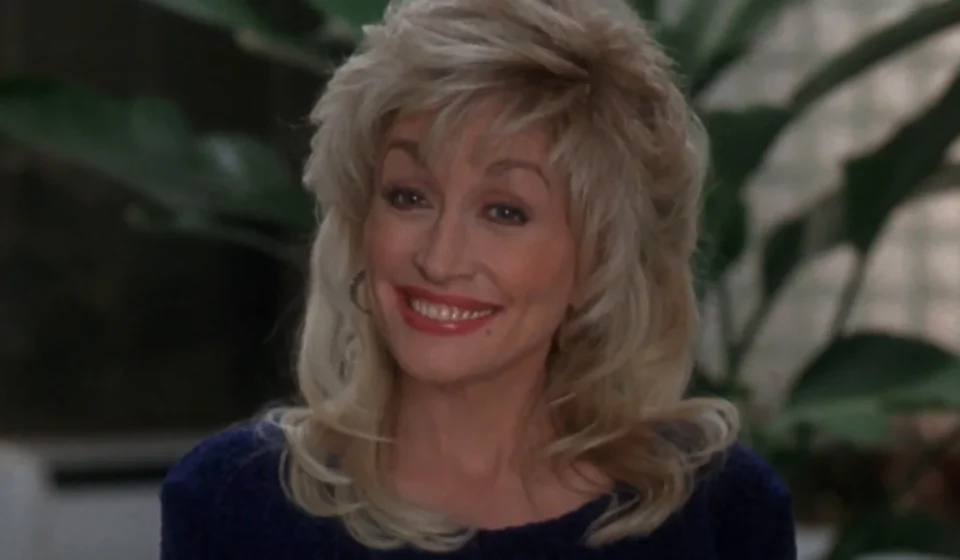

Dolly Parton was, and will forever remain, a singular force in American culture. Her passing at the age of 80, following an unparalleled seven-decade career, left a void in the entertainment world that feels almost impossible to fill. While the world mourns the loss of the "Queen of Country Music," we are left with a staggering legacy: over 50 studio albums, a mountain of iconic interviews, and a filmography that reflects both her sharp wit and her profound humanity.
Parton’s transition from the Grand Ole Opry to the silver screen was never just a vanity project. She brought a specific, Appalachian-born authenticity to her roles that transcended the screen. Whether she was trading barbs with Queen Latifah, navigating the corporate world with Jane Fonda and Lily Tomlin, or holding her own against the comedic gravity of Burt Reynolds, Parton consistently proved that her talent was as vast as her stage presence. In honor of the "Iron Butterfly," we look back at the five essential films that define her career as a cinematic icon.
1. 9 to 5 (1980): The Definitive Workplace Satire
It is impossible to discuss Dolly Parton’s acting career without beginning with her screen debut. 9 to 5 is not merely a comedy; it is a cultural touchstone that remains as relevant today as it was in 1980. Starring alongside Jane Fonda and Lily Tomlin, Parton portrayed Doralee Rhodes, a secretary who, along with her coworkers, plots the downfall of their egotistical, sexist, and bigoted boss, played with cringing perfection by Dabney Coleman.
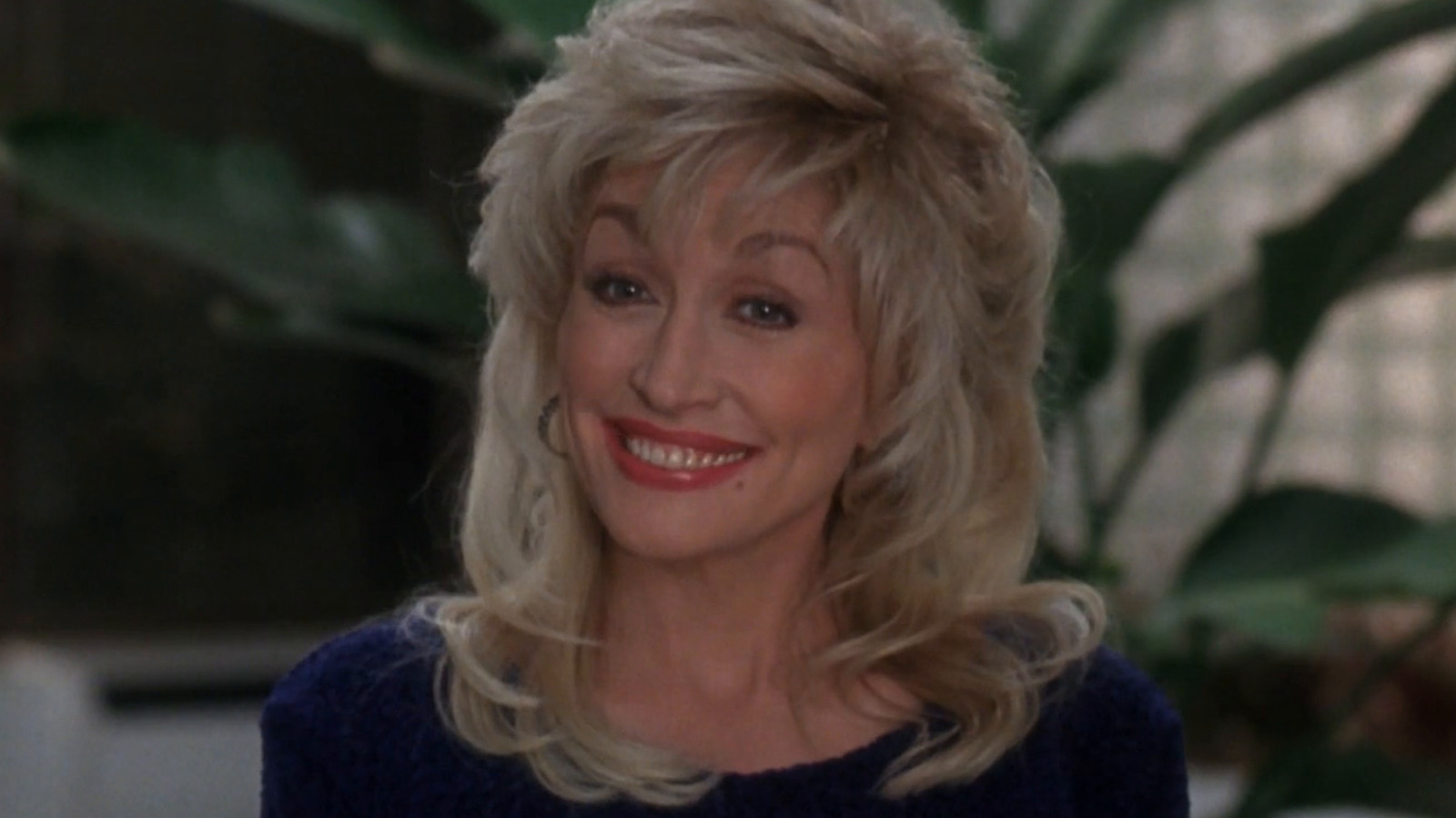
The Impact of a Cultural Phenomenon
The brilliance of 9 to 5 lies in its ability to balance sharp, biting social commentary with slapstick humor. The film’s premise—three women seizing control of their workplace—became a rallying cry for workplace equality. The influence of the film was so profound that it sparked actual activist movements aimed at improving labor conditions for women in offices across the United States.
Beyond the narrative, the title track remains one of the most recognizable songs in history. Famously, Parton used the rhythmic clicking of her acrylic fingernails to mimic the sound of a typewriter, adding a layer of percussion that gave the song its propulsive energy. The song reached number one on the Billboard Hot 100, cementing Parton’s status as a crossover titan. Her performance as Doralee was a revelation; she played the character with a grounded, cellular understanding of the struggle, defying critics who expected her to merely "play herself."
2. The Best Little Wh*rehouse in Texas (1982): A Chemistry Masterclass
Following the monumental success of 9 to 5, Parton took on the role of Miss Mona Stangley in the adaptation of the hit Broadway musical The Best Little Whrehouse in Texas*. Set in Gilbert, Texas, the film follows the owner of the legendary "Chicken Ranch" brothel as she navigates political pressure from a pious, crusading reporter played by Dom DeLuise.
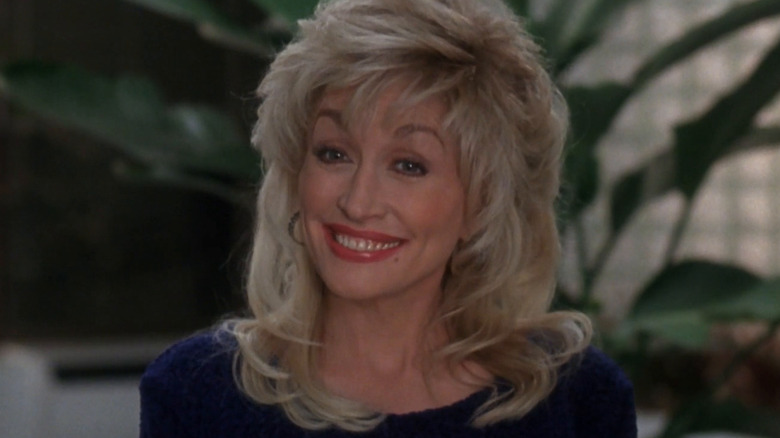
The Reynolds-Parton Dynamic
The film is widely celebrated for the undeniable chemistry between Parton and her co-star, Burt Reynolds, who played the local Sheriff, Ed Earl Dodd. Their interplay was so authentic that it fueled tabloid rumors of a real-life affair, a testament to the persuasive power of their performances. The film successfully blended musical numbers with a lighthearted, yet surprisingly nuanced, exploration of small-town morality.
Notably, the film features a definitive rendition of "I Will Always Love You," a song Parton originally penned as a country ballad. While it became a global sensation later through Whitney Houston’s cover, Parton’s version in this film—and her duet with Reynolds, "Sneakin’ Around"—showcased her vocal range and her ability to anchor a big-budget musical with effortless charisma.
3. Steel Magnolias (1989): The Masterclass in Ensemble Acting
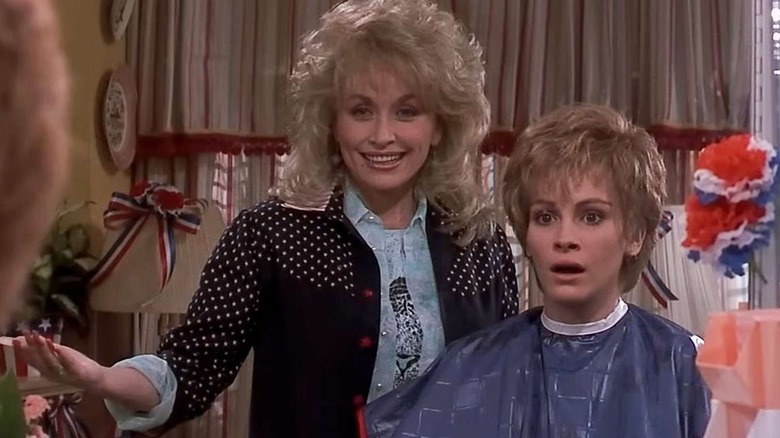
If 9 to 5 was her breakthrough, Steel Magnolias was her validation as a serious dramatic actor. Set in the lush, humid atmosphere of Louisiana, the film explores the lives of a group of women bound by friendship and the salon they frequent. Parton’s portrayal of Truvy Jones, the salon owner with a heart of gold and a towering hairstyle, stands as one of her most beloved characterizations.
A Masterclass in Tragedy and Comedy
The film is famously a "tearjerker," a masterclass in how to weave humor into the fabric of deep, personal tragedy. Alongside an ensemble cast that included Sally Field, Julia Roberts, Shirley MacLaine, and Olympia Dukakis, Parton held her own, delivering lines that have since become iconic parts of the American lexicon.
Steel Magnolias functions as a love letter to female resilience. It is a film about the moments when life forces us to our knees and the friends who show up to lift us back up. For many, this remains the go-to film for processing grief, as its exploration of life, death, and friendship feels deeply personal. It serves as a reminder that even in the face of profound loss, there is healing to be found in community and laughter.
4. Straight Talk (1992): The Progressive Rom-Com
In the early 1990s, Parton starred in Straight Talk, a romantic comedy that allowed her to tap into her natural warmth and wisdom. Playing Shirlee Kenyon, an Arkansas dance instructor who accidentally stumbles into a career as a radio talk show host in Chicago, Parton delivered a performance that felt like a direct extension of her public persona.
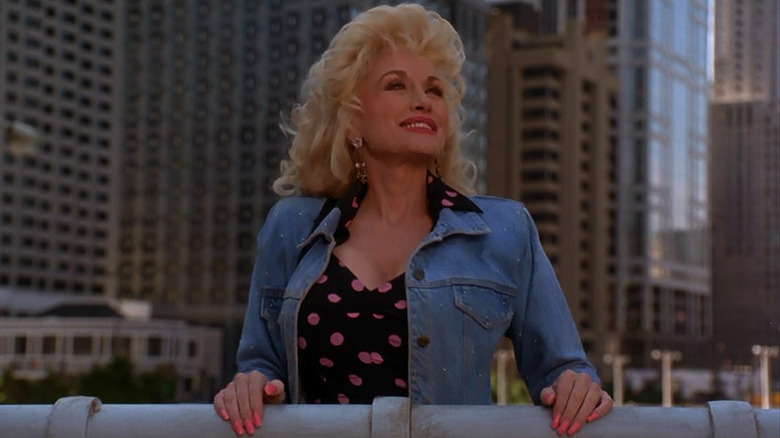
Ahead of the Curve
What makes Straight Talk particularly fascinating in retrospect is its tone. While it follows the classic "fish out of water" rom-com tropes, it also features moments of genuine insight. Most notably, the film contains a surprisingly progressive and trans-affirming moment during its end credits—a testament to Parton’s long-standing, quiet activism. While the film may not have reached the heights of her earlier work, it remains a charming, quintessential ’90s piece that highlights her ability to play "everywoman" characters who speak truth to power.
5. Joyful Noise (2012): True Camp and Charisma
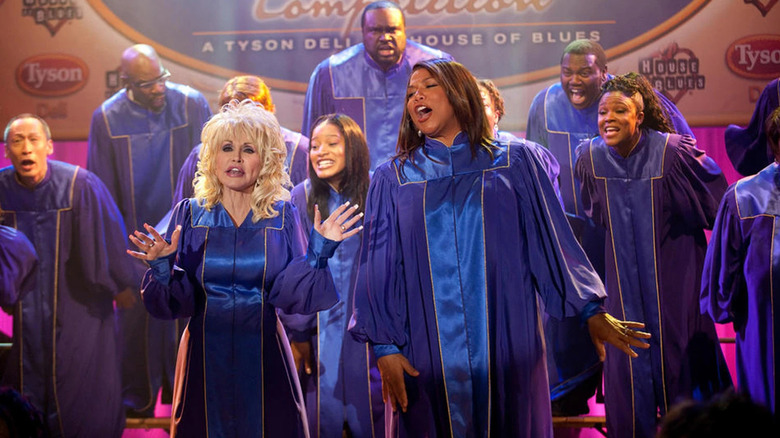
Rounding out our list is the 2012 gospel comedy Joyful Noise. While the film received mixed reviews upon release, it remains a fascinating study in star power. Starring alongside Queen Latifah, Keke Palmer, and Jeremy Jordan, Parton plays a pivotal role in a story about a struggling small-town church choir competing for national glory.
The Art of "Unintentional" Camp
Joyful Noise is a film that defies typical critical metrics. It is saccharine, it is earnest, and at times, it is gloriously "camp." In the world of film criticism, the word "camp" is often misused, but Joyful Noise is the real deal—it is a film that clearly did not intend to be a cult classic, yet ended up as one.
Parton’s screen time may be limited compared to her other works, but every moment she occupies the frame, she elevates the material. Her ability to deliver dry, witty wisdom in the middle of a high-stakes gospel drama is nothing short of masterful. For those looking to understand the breadth of her career, this film provides a glimpse into her willingness to take risks and her enduring appeal to audiences across generations.
A Legacy That Transcends the Screen
Dolly Parton’s filmography is a reflection of the woman herself: bold, unapologetic, deeply empathetic, and forever evolving. She was an Appalachian woman from a large family who refused to be boxed in by the expectations of Hollywood or the music industry. By embracing her own brand of over-the-top glamour and backing it up with immense talent and a sharp, business-savvy mind, she proved that you should never underestimate her.
As we reflect on these five films, we aren’t just looking at a list of credits. We are looking at a map of a career that brought joy to millions, sparked conversations about gender and labor, and provided a shoulder to cry on during life’s hardest moments. Dolly Parton may have left the stage, but the "cup of ambition" she poured for us remains full. Her films, much like her music, will continue to shine, reminding us to be a little kinder, a little bolder, and to always, always be ourselves.