The Primetime Emmy Crucible: A High-Stakes Battle of Late-Night Satire and Industry Flux

The 76th Primetime Emmy Awards, scheduled for September 14, are shaping up to be more than just a celebration of television excellence; they are a focal point for the shifting tectonic plates of the media landscape. With 23 major awards spanning comedy, drama, and limited series, alongside the massive undertaking of the Creative Arts Emmys, the Television Academy is navigating a period of unprecedented administrative and political volatility. As the industry faces consolidation, shifting corporate ownership, and the long shadow of the current administration, the most anticipated battleground is the newly consolidated "Variety Series" category—a theater of war where late-night titans and sketch-comedy icons will clash under the watchful eye of an increasingly polarized public.
The Administrative Labyrinth: Rules and Regulations in Flux
To understand the intensity of this year’s Emmy race, one must first appreciate the bureaucratic volatility of the Television Academy. The Academy is notorious for its ever-evolving rulebook, which often creates unintended consequences for networks and streamers alike.
The most controversial adjustment this year involves the "guest actor" eligibility criteria. A new regulation now prohibits performers from being nominated in the guest actor category for roles they have previously been submitted for as lead or supporting actors. This was designed to prevent category fraud, yet it has already claimed a high-profile casualty: Jon Hamm.
Due to a clerical error by Apple, Hamm was submitted for his guest role in The Morning Show despite having secured a supporting actor nomination for the same performance in 2024. The resulting disqualification serves as a stark reminder of the risks inherent in the current submission process. While Hamm remains eligible for other accolades, the incident underscores the fragility of campaign strategies in an era of hyper-scrutiny.
Chronology of the Variety Category: From Mismatch to Merger
The variety series category has long been the Academy’s "problem child." Established in 1951, it has undergone periodic identity crises. In the 1970s, the category was briefly split to separate talk-based formats from sketch-based musical revues. However, for the better part of the next four decades, it functioned as a single, often mismatched, entity.
The 1990s and early 2000s were defined by a strange era where talk shows like The Tonight Show competed against variety specials, leading to baffling outcomes. By the mid-2000s, the "Late Night Boys Club"—Colbert, Kimmel, Stewart, and others—had effectively monopolized the category, pushing sketch shows like Saturday Night Live to the fringes.
In 2015, the Academy attempted to restore order by splitting the category into "Variety Talk" and "Variety Sketch." This provided breathing room for Inside Amy Schumer and Key & Peele to rise, while SNL went on to command a six-year winning streak. The landscape shifted again in 2023 when Last Week Tonight with John Oliver was moved to "Scripted Variety," where it dominated. Now, in 2026, the Academy has merged these categories once more, forcing the intellectual rigor of John Oliver into a direct, high-stakes collision with the traditional late-night format and the institutional powerhouse of SNL.
The Political Crucible: Colbert, Kimmel, and the Administration
This year’s awards occur against a backdrop of intense political pressure. The late-night genre, once a sanctuary for cultural critique, has become a frontline in the "culture wars."
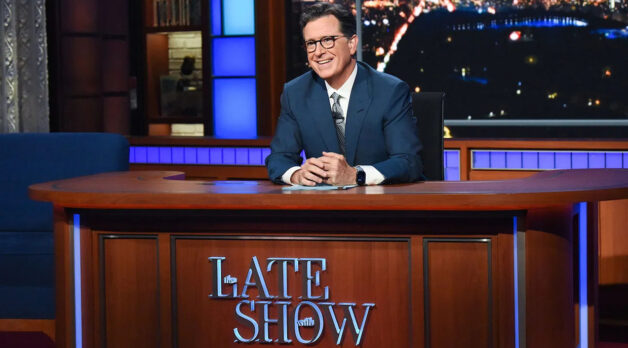
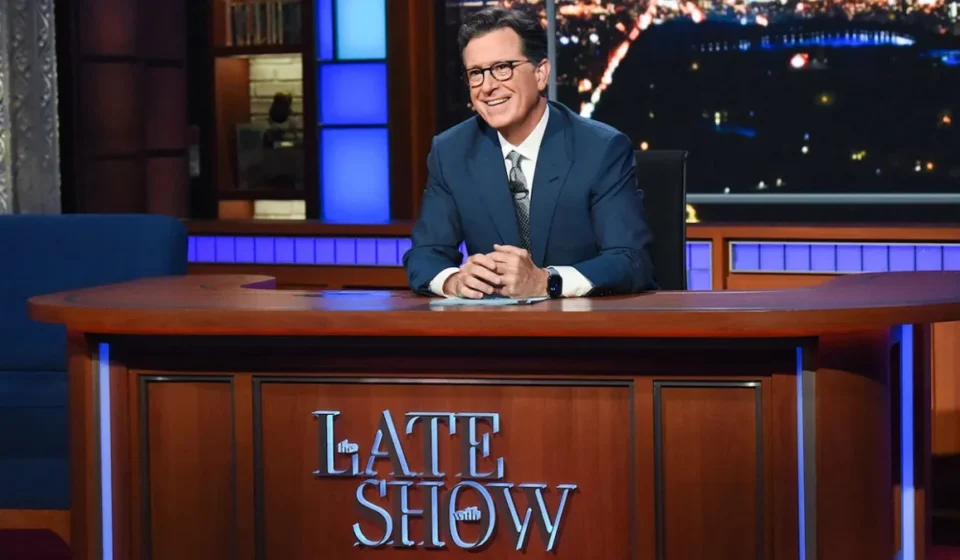
The most significant development is the premature end of The Late Show with Stephen Colbert. After 33 years as a network staple, the franchise was shuttered on May 21. While the official explanation from parent company Paramount—following its acquisition by Skydance Media—was a $40 million annual deficit, industry observers remain skeptical. Critics point to the timing: Colbert’s long-standing, razor-sharp critique of the Trump administration, coupled with the alleged personal and political ties between the Ellison family and the current White House, suggests that economics may have been a convenient shroud for a political decision.
Colbert, an 11-time Emmy winner, bowed out with a final season defined by introspection and a defiant, mournful tone. His victory in the "Talk Series" category last September stands as a capstone, but many see this year’s nomination as a final, symbolic stand.
The situation surrounding Jimmy Kimmel Live! was equally fraught. In September, the show faced an existential threat when the FCC, under Chairman Brendan Carr, joined conservative media groups in pressuring ABC to pull the show following Kimmel’s comments on Charlie Kirk. The threat of removal from major affiliates like Sinclair and Nexstar created a volatile standoff. Yet, the public backlash was swift and unprecedented. When Kimmel returned to the air on September 23, he shattered records, drawing 6.26 million viewers—the highest in the show’s history—with a monologue that garnered 26 million social media views.
Supporting Data: The Contenders and the Stakes
The current field represents a fascinating cross-section of the television industry:
- Stephen Colbert (The Late Show): With the show canceled and Colbert’s tenure ending on a note of controversy, voters are likely to lean toward a "legacy vote." The emotional weight of his departure, combined with his status as a persistent target of the current administration, gives him a significant moral edge.
- Jimmy Kimmel (Jimmy Kimmel Live!): Despite 12 years of nominations, Kimmel has yet to take home the variety series trophy. His recent "comeback" following the censorship threats has turned him into a symbol of free speech in the eyes of his supporters.
- John Oliver (Last Week Tonight): Oliver remains the technical favorite. His ability to blend investigative journalism with absurdist humor has consistently impressed the Academy. The primary question is whether voters will prioritize his structural consistency over the emotional, political narratives surrounding Colbert and Kimmel.
- Saturday Night Live: Celebrating its 50th anniversary last year and currently in its 51st season, SNL remains the industry’s most resilient institution. While the departure of stars like Bowen Yang has signaled a transition, the success of the new SNL UK iteration suggests the brand is stronger than ever. By leaning into the absurd rather than the purely political, SNL offers voters a "neutral" alternative to the nightly political firestorms.
- The Daily Show: With Jon Stewart’s part-time return, the show has regained its cultural relevance. It serves as a reliable institutional contender, though it lacks the specific "political martyr" narrative currently driving the campaigns of Colbert and Kimmel.
Implications for the Industry and the Future of Satire
The implications of this year’s Emmy results extend far beyond a trophy. A win for Colbert or Kimmel would be interpreted as a direct rebuke of the political pressures currently facing network television. Conversely, a win for Oliver or SNL might suggest that the Academy is choosing to reward format and production quality over the increasingly volatile nature of personality-driven political talk.
The industry is watching closely to see if the Television Academy is willing to engage in a public statement. With the ceremony taking place in the heart of a heated political cycle, the speeches—or the lack thereof—will be analyzed for their alignment with the industry’s liberal-leaning base.
Moreover, the consolidation of the variety category serves as a microcosm of the broader media industry’s struggle to define itself in the streaming age. By forcing these distinct formats to compete for a single prize, the Academy is essentially asking: "What is the role of late-night television in a polarized society?"
As the September 14 ceremony approaches, the air is thick with anticipation. Whether the night concludes with a triumphant, politically charged acceptance speech or a surprising upset by a sketch-comedy institution, one thing is certain: the President’s Truth Social account will likely have plenty to say about the outcome. For the Academy, the stakes have never been higher, as they balance the desire to honor excellence with the reality of an industry under siege. In the end, the Emmys will be a testament to the enduring power—and the mounting danger—of the microphone.