Bridging Realities: Disney and Epic Games Unveil "Millennium Falcon: Smugglers Run | Fortnite"

In a move that signals a monumental shift in the landscape of interactive entertainment, The Walt Disney Company and Epic Games have announced an unprecedented integration of physical theme park infrastructure and digital gaming ecosystems. The initiative, titled Millennium Falcon: Smugglers Run | Fortnite, represents the first formal attempt to create a seamless, bidirectional narrative bridge between a real-world attraction and a bespoke adventure within the Fortnite universe.
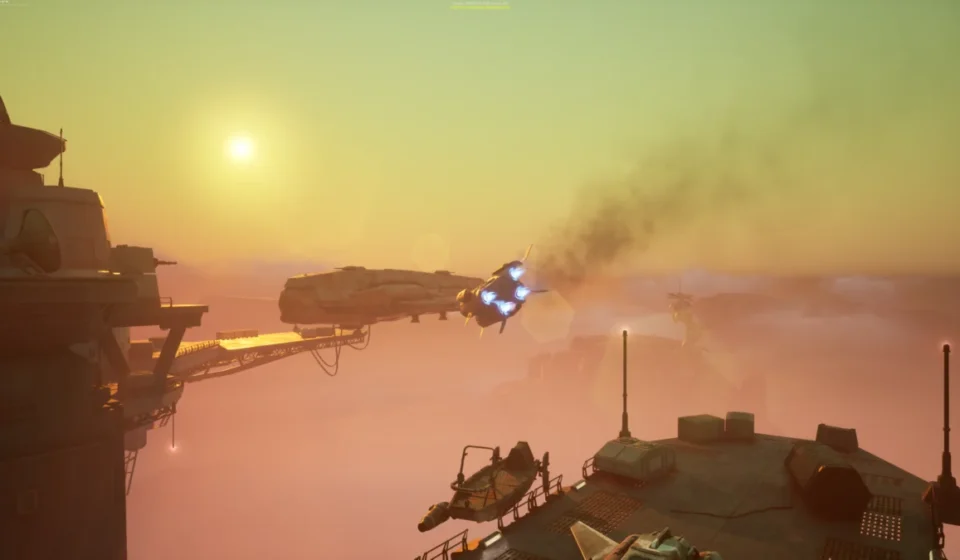
This collaboration allows guests at Disney’s Star Wars: Galaxy’s Edge—located at both Disneyland Resort in Anaheim and Walt Disney World in Orlando—to engage with a mission-based experience that transcends the physical boundaries of the park. By completing tasks during the attraction’s queue, visitors unlock exclusive digital rewards, including the coveted Forsworn Trooper Outfit, usable in a newly minted Fortnite experience titled Smugglers Gambit.
The Genesis of a Converged Entertainment Ecosystem
The partnership between Disney and Epic Games is not a novel development, but rather the culmination of years of deepening ties. Disney, having made a significant $1.5 billion equity investment in Epic Games earlier this year, has long signaled its intent to move beyond passive media consumption. While previous collaborations saw characters from Marvel, Star Wars, and The Simpsons parachuting into Fortnite as limited-time cosmetics or event skins, this latest effort represents a structural evolution in how intellectual property (IP) is distributed.
The strategy is clear: Disney aims to transform its storied franchises from static attractions into living, breathing, and interconnected digital worlds. By utilizing Epic’s Unreal Engine—the same software that powers the cockpit visuals of the physical Smugglers Run ride—Disney is essentially standardizing its assets, allowing for a fluidity of content that previously did not exist.
A Chronology of Integration
To understand the weight of this announcement, one must look at the progression of the Disney-Epic relationship:
- 2019: The Launch of Galaxy’s Edge: Disney opens Star Wars: Galaxy’s Edge, featuring Millennium Falcon: Smugglers Run. The attraction utilizes sophisticated real-time rendering technology, powered by Epic’s Unreal Engine, to create the cockpit experience.
- 2020–2023: The Fortnite IP Expansion: Disney begins treating Fortnite as a primary marketing and engagement channel, introducing Star Wars-themed "seasons" that bring lightsabers and character skins into the game.
- February 2024: The Strategic Investment: Disney announces a massive $1.5 billion investment in Epic Games, with the goal of building a "persistent, open, and interoperable gaming and entertainment universe" that will live alongside Fortnite.
- October 2024: The Bridge is Built: The debut of Millennium Falcon: Smugglers Run | Fortnite. For the first time, a physical park queue serves as the "on-ramp" for a digital quest, effectively gamifying the wait time and extending the "park experience" into the player’s home.
Supporting Data: Technology and Synergy
The technical foundation for this project rests upon the "Unreal Engine" pipeline. Because the physical ride and the digital game share the same backend architecture, the high-fidelity assets—the ship’s controls, the visual aesthetics of the docking bay, and the character models—are essentially mirrored.
From a data perspective, this integration addresses a long-standing challenge for theme parks: guest throughput and engagement during high-traffic periods. By incentivizing guests to participate in a "pre-mission" while waiting in the queue, Disney is effectively increasing the "dwell time" value of the attraction. For Epic Games, the integration provides a constant stream of high-intent users moving from physical, high-cost environments into the digital ecosystem, ensuring that the Fortnite player base remains engaged with the broader Disney brand even when they are physically absent from the parks.
Official Responses and Corporate Vision
The leadership at both companies has framed this project as a milestone in the history of interactive media.
Sean Shoptaw, executive vice president of Disney Games and Digital Entertainment, highlighted the conceptual shift, stating, " Millennium Falcon: Smugglers Run | Fortnite marks the first time this attraction has reached beyond its physical walls into a connected game world. A story that starts in a queue in Orlando or Anaheim can now continue on a screen almost anywhere. Smugglers Gambit, built in-house by an incredibly talented team, is an immersive, high-quality game, and together these experiences reflect our ambition to connect stories and worlds across formats into one converged entertainment ecosystem."
Adam Sussman, president of Epic Games, echoed these sentiments, emphasizing the role of the creator community and the Imagineers. "Building on Epic’s technology, Disney’s Imagineers are shaping the future of interactive entertainment, where an experience goes from the physical world into Fortnite. Whether you’re at a Disney Park or playing Fortnite with your friends, fans have new ways to keep their Star Wars adventures going. This is only the beginning of what’s possible when world-class storytellers bring their creativity into Fortnite."
Implications for the Future of Entertainment
The implications of this convergence are profound, affecting everything from theme park design to the future of the "Metaverse" concept.
1. The Death of the "Passive Experience"
Disney is signaling that the era of the passive theme park ride is waning. Guests now expect a personalized, interactive narrative. The queue is no longer just a line; it is a portal. If this pilot succeeds, we can expect to see similar integrations for other flagship properties like Avatar: Flight of Passage or TRON Lightcycle / Run, where the ride experience is merely one chapter of a larger, digital-native adventure.
2. Economic Shifts in Monetization
This model moves away from one-off ticket sales toward a holistic engagement model. By offering "phygital" (physical + digital) rewards, Disney is creating a new tier of consumer loyalty. The Forsworn Trooper Outfit becomes a badge of honor, proving that the user was physically present at the park. This scarcity-driven model increases the perceived value of the theme park ticket, justifying higher price points while simultaneously driving traffic to the digital storefront.
3. Challenges to Interoperability
While the technology exists, the challenge remains one of UX (User Experience). Integrating a high-intensity Fortnite mission into a crowded, physically constrained queue environment requires significant logistical coordination. Disney must ensure that the mobile experience remains accessible without disrupting the safety and flow of the ride’s physical line.
4. The "Disney Universe" Expansion
For the gaming industry at large, this represents a significant threat and an opportunity. Disney has essentially created a "walled garden" that is both digital and physical. If they successfully turn Fortnite into the primary hub for all Disney storytelling, they create a gravity well that is difficult for other entertainment conglomerates to compete with. The sheer scale of the user base on Fortnite—combined with the emotional resonance of Disney’s physical parks—creates a cultural force that is arguably unmatched in modern media.
Conclusion
The launch of Millennium Falcon: Smugglers Run | Fortnite is more than a marketing gimmick; it is a blueprint for the future of the entertainment industry. By erasing the lines between the "park" and the "game," Disney and Epic are creating a world where the consumer is constantly immersed in a narrative of their own choosing.
As the lines between physical reality and digital simulation continue to blur, the success of this collaboration will likely dictate the direction of the next decade of leisure. For now, fans have a new reason to visit the parks, and an even stronger reason to log on once they get home. The Smuggler’s Gambit has begun, and if it pays off, the way we experience stories—both on-screen and in person—will never be the same.