The AI Renaissance: How Impossible Objects is Redefining Boutique VFX with HP ZGX Integration

In the high-stakes world of premium advertising and feature film visual effects, the margin for error is razor-thin. For Los Angeles-based studio Impossible Objects (IO), the challenge has always been balancing the meticulous, frame-perfect requirements of blue-chip clients—like Porsche, Cadillac, and Nike—with the aggressive production timelines that define modern media. By pioneering a hybrid workflow that fuses traditional CGI and compositing with custom-tuned generative AI, Impossible Objects is no longer just keeping pace; they are setting a new standard for how boutique facilities can operate with the output capacity of major industry players.
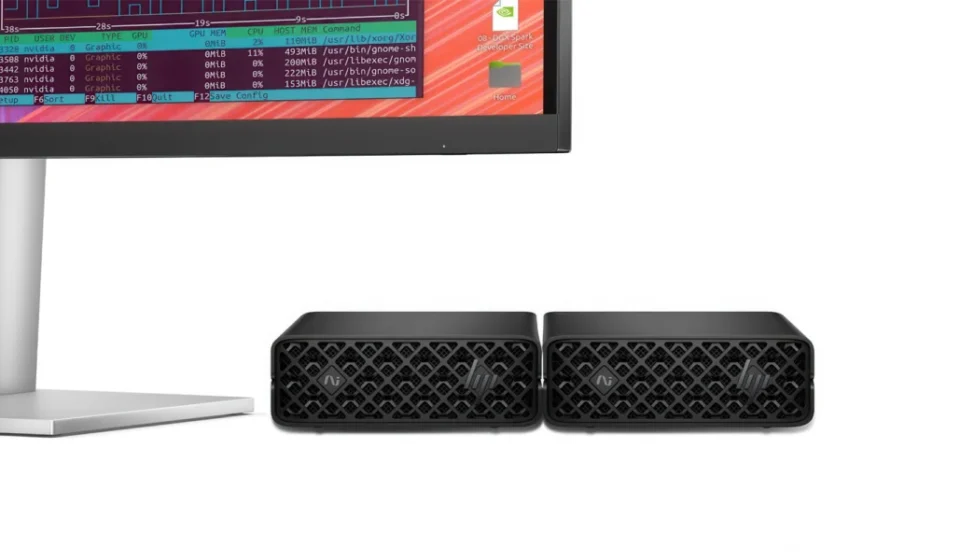
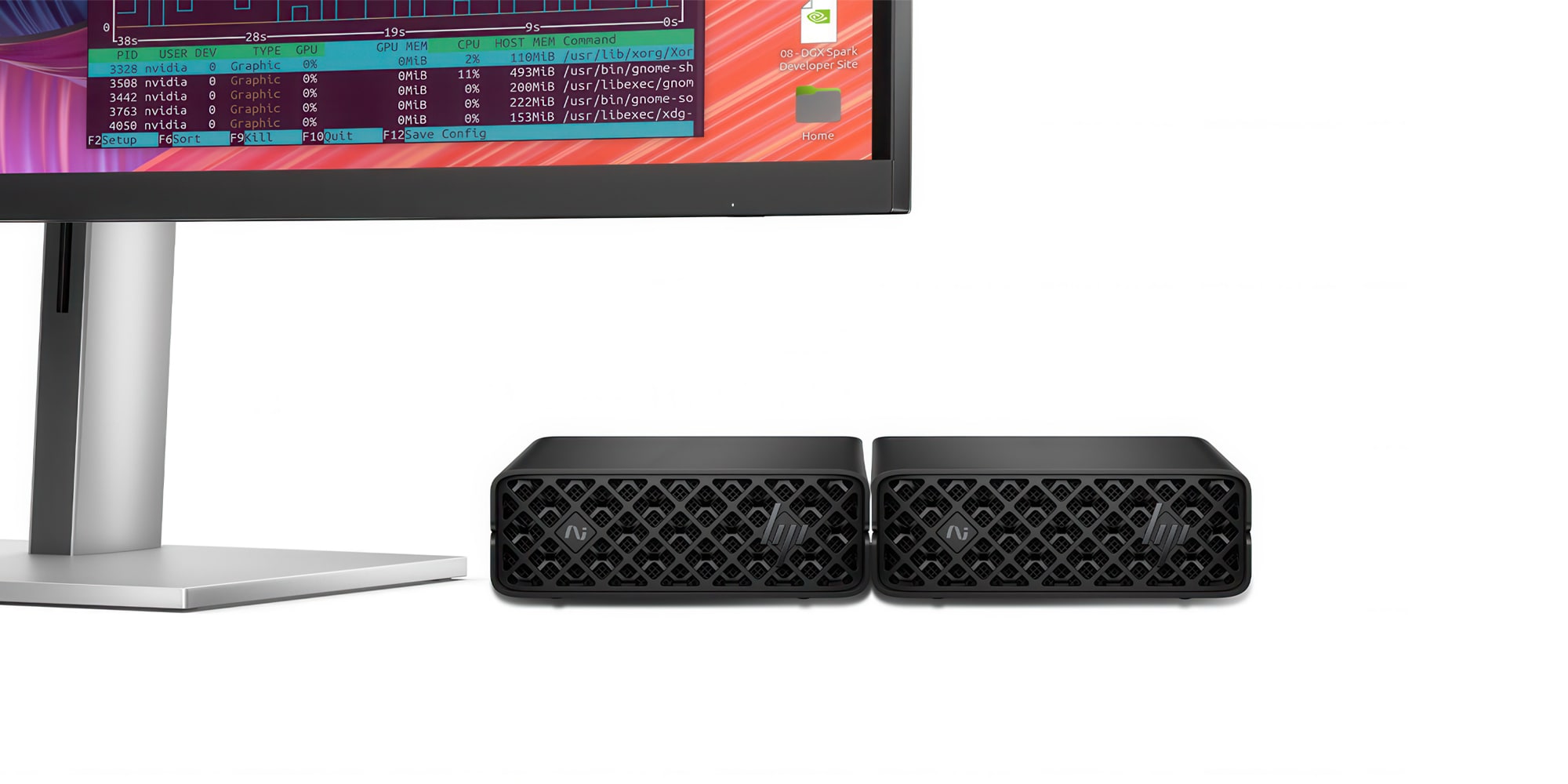
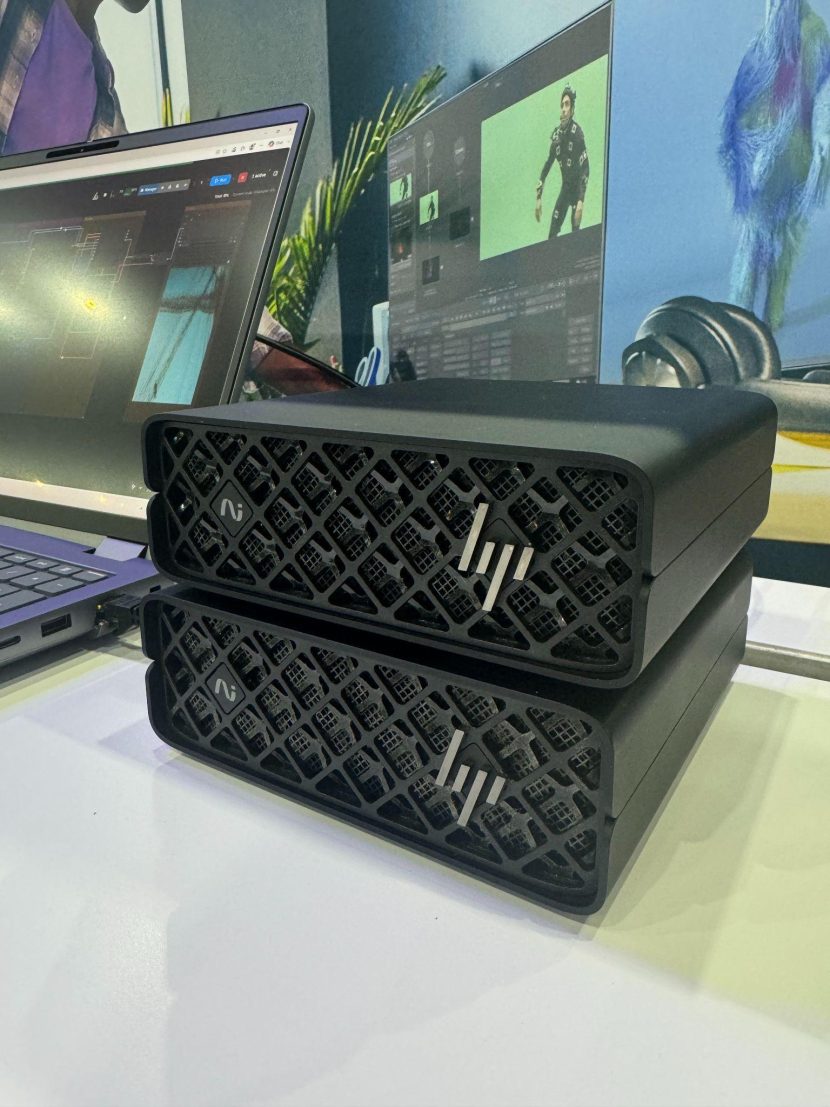
Central to this transformation is the integration of the HP ZGX Nano AI stations, powered by the NVIDIA GB10 Grace Blackwell Superchip. This hardware leap has allowed IO to move their most compute-intensive AI operations in-house, creating a secure, scalable, and highly efficient production ecosystem.
The Strategic Shift: Marrying Craft with Computation
The visual effects industry has long relied on a combination of 2D compositing (using tools like Foundry Nuke and Adobe After Effects) and 3D simulation (SideFX Houdini). However, the introduction of Generative AI presented a paradigm shift. Many studios initially approached AI with caution, fearing that "prompt-based" generation would sacrifice the photorealism and brand consistency required for high-end automotive commercials.
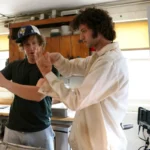
Nhan Le, AI Lead at Impossible Objects, recognized early that the solution was not to replace the artist, but to build a bespoke "AI backend" that enhances the artist’s capabilities. "The spots we do for car brands are highly scrutinized," Le explains. "Generally, off-the-shelf AI video models can’t deliver the level of photorealism demanded of this kind of work. However, we have found a sweet spot where we combine traditional compositing with custom-trained models."
This "hybrid" philosophy ensures that the human element remains at the core of the final frame, while the tedious, repetitive tasks—such as rotoscoping, lighting matching, and tracking—are offloaded to AI modules designed to react to the specific lighting conditions of the original footage.
Chronology: Two Years of R&D to Production Powerhouse
The journey of Impossible Objects into the AI space was not an overnight transition. It was the result of two years of intensive Research and Development.
- Year 1: Foundation and Tooling. The IO team focused on building the infrastructure for local AI deployment. This involved training open-source models on their own high-fidelity in-house footage to ensure that the generative outputs maintained ownership and provenance.
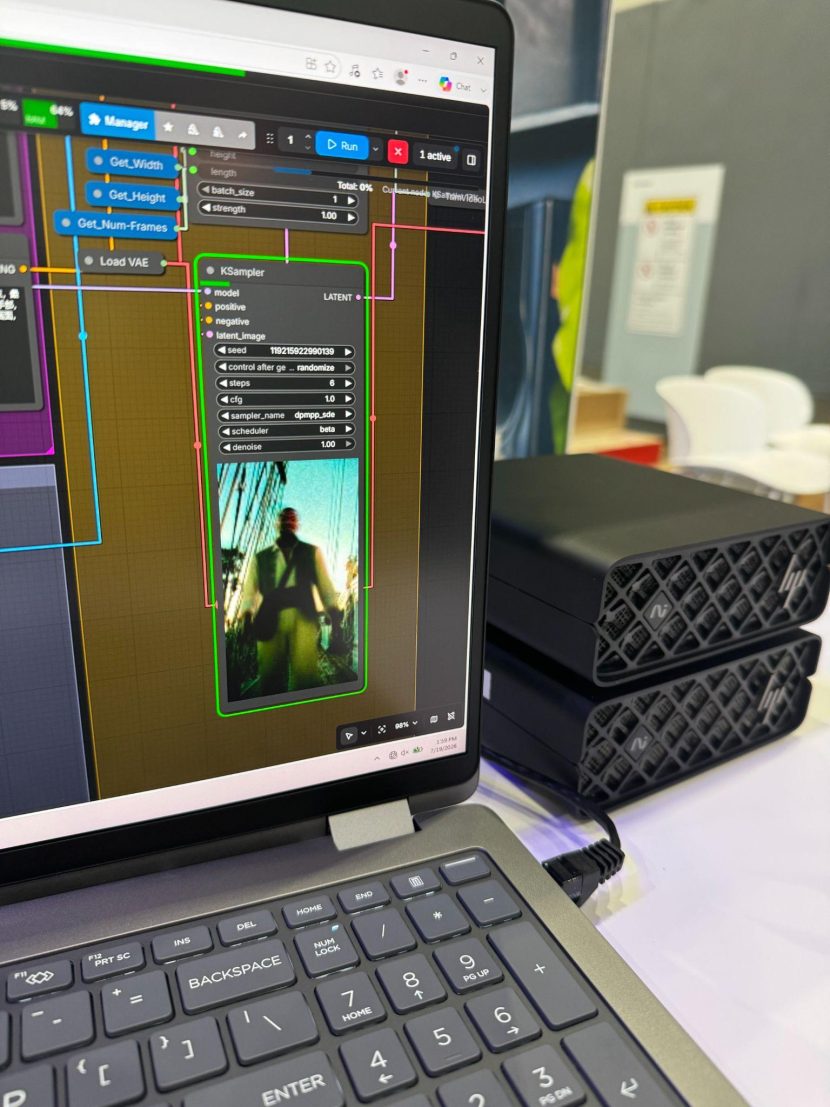
- Year 2: Workflow Integration. The team began embedding AI into the production pipeline. They moved away from cloud-based "black box" models, which presented security risks and latency issues, toward a self-hosted architecture using ComfyUI.
- The Present: Scaling with HP ZGX. With the recent adoption of HP ZGX Nano stations, the studio achieved a hardware milestone. By clustering these units, IO successfully moved from experimental AI tasks to full-scale, production-ready rendering and complex multi-agent operations.
Supporting Data: Security and Scalability
A primary concern for any studio working with Fortune 500 brands is data security. When working with proprietary car designs or unreleased film footage, uploading assets to public cloud LLMs is a non-starter.
"We don’t deliver fully generative shots to clients," Le notes. "By keeping everything local and on-prem with the ZGX Nanos, we eliminate the risks associated with cloud-based AI providers. Our clients want to know that their IP stays behind our firewall."
The technical specifications of the ZGX Nano provide the necessary horsepower for this security-first approach:
- Compute: Powered by the NVIDIA GB10 Grace Blackwell Superchip, providing the massive VRAM and parallel processing power required for high-resolution 4K generative workflows.
- Connectivity: The 200 Gbps ConnectX-7 ports allow for seamless clustering. When Le connected a second ZGX Nano to his primary workstation, the studio immediately saw a doubling of their memory ceiling, enabling the processing of longer 4K video sequences that were previously impossible to render locally.
- Efficiency: The ZGX Toolkit allowed the IO team to transition from physical installation to production-ready ComfyUI integration in record time, avoiding the "ballooning" costs often associated with massive cloud-compute billing cycles.
Official Perspectives: The Creative Engineering Mindset
Jerad Anderson, co-founder of Impossible Objects, emphasizes that the studio’s success is rooted in a specific type of hiring and culture. "People like Nhan Le and his counterpart, Aiden Silver, are creative engineers," says Anderson. "They have paved a way that firmly plants a flag in human artistry while embracing the time-saving elements of AI. Once we solve a production problem using these custom models, that solution becomes a repeatable asset."
This repeatability is a cornerstone of the IO business model. By capturing footage and refining "latent memory"—the way a model remembers specific details of a vehicle’s metallic finish or a lens flare’s behavior—the studio ensures consistency across an entire advertising campaign. They are not just generating images; they are building a library of "solved" production problems that get faster to execute with every passing project.
Implications: The Future of VFX and "Smart" Render Farms
The impact of this technology extends beyond simple efficiency; it fundamentally changes the nature of on-set production.
Virtual Production and LED Volumes
One of the most profound applications of IO’s AI workflow is in LED volume work. Historically, tracking data from an LED volume shoot had to be meticulously pulled and synced—a process that could take days and was prone to errors. IO’s AI now interprets the environment directly from the footage, allowing for "perfectly accurate" set extensions. As Le puts it, "I come from LED wall work, and the idea that I don’t need to track it—that the system just understands the environment—is a blessing."
The Multi-Agent Render Farm
Looking toward the future, Impossible Objects is currently developing a "Smart Render Farm." By using the HP ZGX Nanos as nodes in a unified cluster, the studio aims to deploy multi-agent AI systems that manage the render pipeline itself. These agents will monitor system health, optimize asset allocation, and manage complex rendering queues, allowing a small team of artists to command the technical output of a much larger studio.
Scaling the Boutique Studio
The broader implication of the Impossible Objects model is that the "boutique" studio is no longer limited by headcount. By automating the backend, artists are liberated to focus on the creative direction—lighting, color grading, and composition—rather than being bogged down by technical bottlenecks.
"Every time we start a job now, we think of scalability," Le says. "How can we empower the artist to unlock backend shortcuts so they can focus on making the final work look amazing?"
As visual effects move deeper into the era of generative tools, Impossible Objects has provided a roadmap for the rest of the industry. By prioritizing secure, local, and artist-driven AI infrastructure, they have proven that the future of VFX isn’t just about faster computers—it’s about smarter systems that amplify the human touch.
For more information on how to integrate high-performance AI stations into your own production pipeline, contact HP Workstations to learn more about the ZGX ecosystem. To see the results of this hybrid workflow in action, visit Impossible Objects.