Rediscovering ‘The Lost City of Z’: The Adventure Epic That Foreshadowed Holland and Pattinson’s Stardom

In the current cinematic landscape, where massive franchises dominate the global box office, it is rare to find a film that lingers in the cultural consciousness long after its initial release. Yet, there are "sleeper" projects—films that, despite critical acclaim, fail to find a wide audience during their theatrical run. James Gray’s 2016 masterpiece, The Lost City of Z, is one such film. A sprawling, meditative, and visually intoxicating adventure epic, the movie remains an underrated gem.
More importantly, looking back at the film through a contemporary lens reveals a fascinating historical footnote: it serves as a long-lost bridge between two of today’s most bankable stars, Tom Holland and Robert Pattinson, years before their high-profile collaboration on Christopher Nolan’s The Odyssey.
The Genesis of an Obsession: Main Facts
Directed by James Gray and adapted from David Grann’s non-fiction bestseller, The Lost City of Z chronicles the life of British explorer Percy Fawcett (played by Charlie Hunnam). Set in the early 20th century, the film follows Fawcett’s obsessive quest to find an ancient, advanced civilization in the heart of the Amazon—a location he calls "Z."
For Fawcett, the expedition begins as a means to restore his family’s tarnished reputation. However, as the dense, suffocating jungles of the Amazon begin to take their toll, the mission shifts from a professional duty into a spiritual and psychological obsession. Unlike the typical high-octane adventure film, Gray’s take is a slow-burn character study. It explores the cost of ambition, the fragility of the British class system, and the nature of human discovery. Despite being hailed by critics as a modern classic, the film struggled at the box office, grossing only a fraction of its budget, a result often attributed to its contemplative pacing and lack of traditional blockbuster tropes.
A Chronology of Discovery: From the Jungle to the Odyssey
The production history of The Lost City of Z is marked by the deliberate, patient approach of its filmmaker. James Gray began developing the project in the early 2010s, with various actors attached before settling on the definitive cast that would eventually grace the screen.
- 2014-2015: Production moves through intense shooting schedules in Colombia and Northern Ireland, with the production team striving to capture the authentic, harrowing atmosphere of the Amazonian rainforest.
- 2016: The film premieres at the New York Film Festival to significant critical praise, highlighting the cinematography of Darius Khondji.
- 2017: The film receives a limited theatrical release. Despite strong reviews, it struggles to compete with the heavy-hitting superhero fare of that year, leading to its status as a commercial "flop."
- 2026: Nearly a decade later, the cultural significance of the film is revisited. With the massive success of Christopher Nolan’s The Odyssey, audiences have begun looking back at the early career synergies between the two leads, Holland and Pattinson, noting that their on-screen chemistry was forged in the mud of the Amazon long before it was tested on the grand stage of an A-list blockbuster.
Supporting Data: The Craft Behind the Cast
What makes The Lost City of Z essential viewing today is the raw, unpolished talent of its ensemble. Before Tom Holland donned the Spider-Man suit and before Robert Pattinson transitioned into the grittier, experimental roles that defined his post-Twilight career, they were both honing their craft in the service of Gray’s vision.
Robert Pattinson’s Transformation
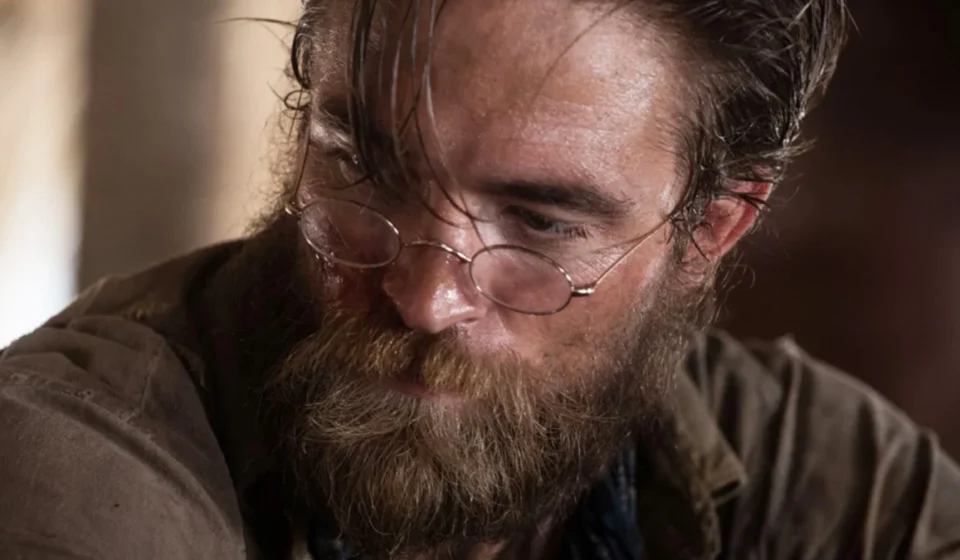
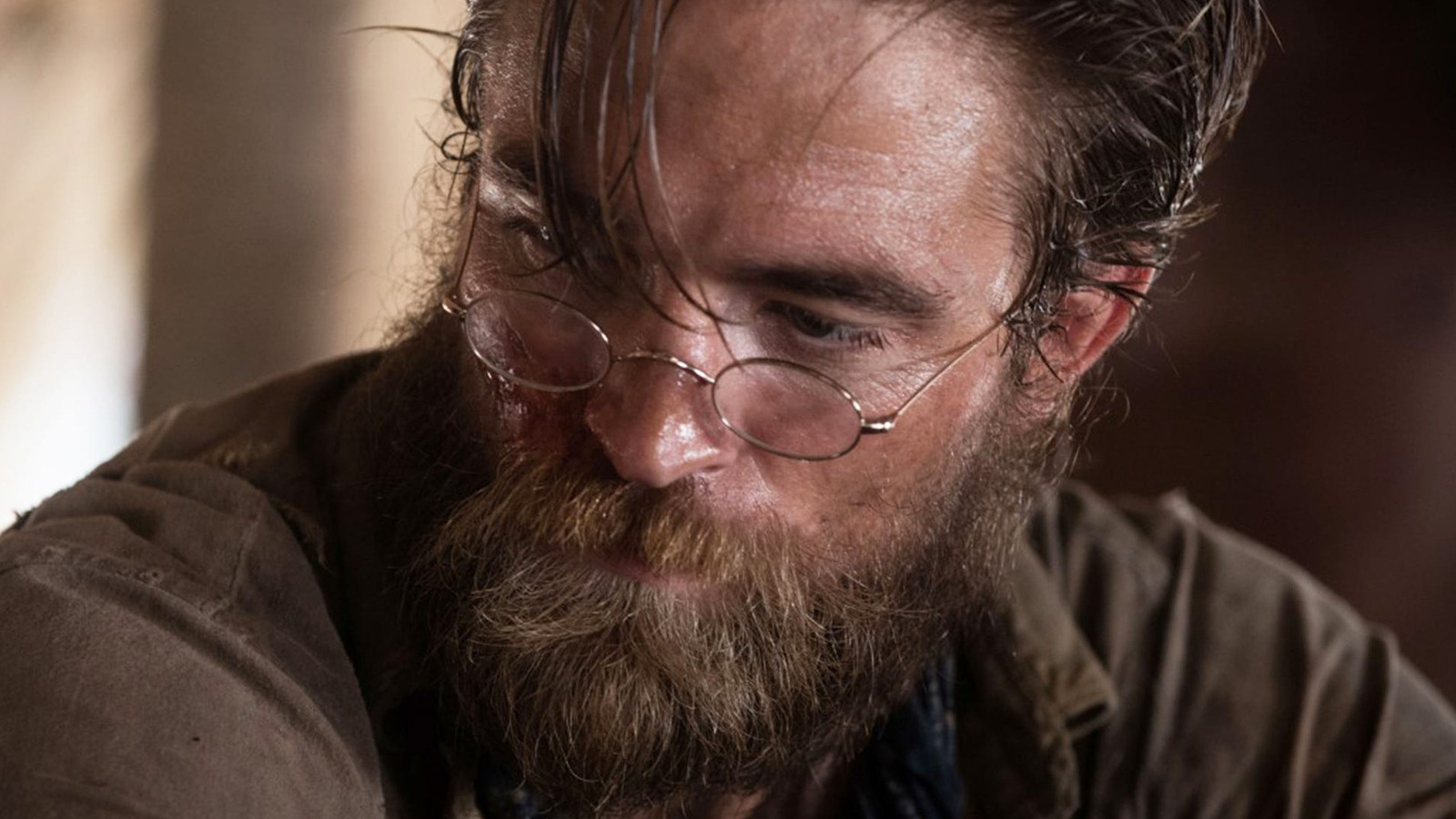
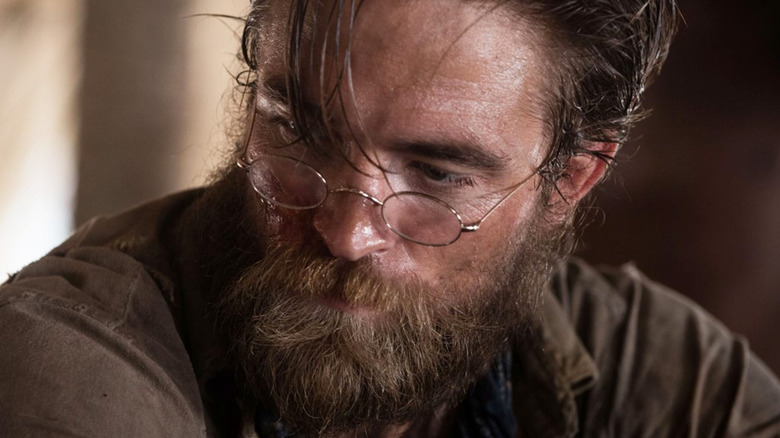
Pattinson plays Henry Costin, Fawcett’s loyal yet deeply eccentric aide-de-camp. With a bushy, unkempt beard and a gaze that suggests he has seen the limits of the known world, Pattinson’s performance is a masterclass in subtlety. He sheds the "heartthrob" image entirely, leaning into the peculiar, quiet intensity that has since become a hallmark of his acting style. It is here that one can see the origins of his transformative approach to roles in films like The Lighthouse or The Batman.
Tom Holland’s Early Dramatic Range
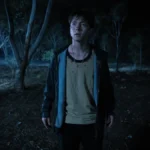
Tom Holland’s role as Jack Fawcett, the estranged son of the explorer, is a performance of immense poignancy. While he is often remembered for his physicality, The Lost City of Z showcases his ability to convey the quiet resentment and longing of a child abandoned by a father obsessed with a dream. His scenes are sparse, but they provide the emotional anchor of the film’s final act. Comparing his portrayal of Jack to his work as Telemachus in The Odyssey, one sees a clear, logical progression: Holland has always excelled at playing the "overwhelmed young man struggling to prove his worth."
Official Perspectives and Critical Reception
James Gray has often spoken about the "spiritual" nature of his work. In various interviews, the director has emphasized that his films are not about the destination, but the pursuit itself. Regarding the commercial performance of The Lost City of Z, studio executives at the time noted the difficulty of marketing a "period adventure film that doesn’t feel like an action movie."
Critics, however, were quick to defend the film. The New York Times described it as "a rare bird in contemporary cinema—a big-budget, gorgeously photographed, deeply soulful exploration of obsession." Even today, as the film finds a second life on streaming platforms like Prime Video, the critical consensus remains that the film was ahead of its time, offering a level of intellectual depth that audiences were perhaps not prepared for in 2017.
Implications: Why This Film Matters Now
The retrospective success of The Lost City of Z carries several implications for the current state of Hollywood:
- The "Slow-Burn" Revival: The film’s resurgence proves that there is a growing, sustainable audience for high-concept, slow-paced cinema. Audiences are increasingly looking for films that respect their intelligence and demand patience.
- The Value of Early Career Notes: By revisiting the early projects of A-list stars, we gain a better understanding of their range. Seeing Holland and Pattinson in this context reminds us that their current success is built on a foundation of diverse, challenging roles, rather than just franchise work.
- The Longevity of Quality: The fact that The Lost City of Z is being discussed as a "must-watch" in 2026—nine years after its release—highlights that in the digital age, a film’s value is no longer determined by its opening weekend box office, but by its long-term discoverability.
In conclusion, while The Lost City of Z may have been a financial disappointment upon its initial release, it has earned its place as a cornerstone of modern adventure cinema. For fans of Tom Holland and Robert Pattinson, it is not merely a "footnote" in their careers; it is a vital piece of evidence showcasing their early range and their ability to elevate even the most challenging material. As we continue to celebrate their successes in blockbusters like The Odyssey, it is worth taking a trip back to the Amazon to see where that magic truly began.