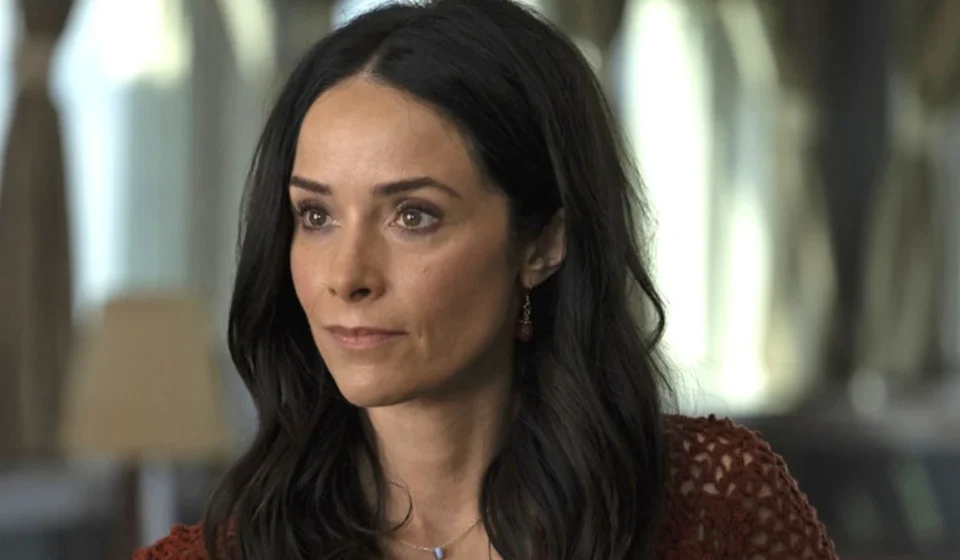
The Heartbeat of Port Wenn: Why Abigail Spencer’s Louisa Gavin is the Anchor of Fox’s ‘Best Medicine’

In an era defined by relentless digital noise and the pervasive habit of "doomscrolling," television audiences are increasingly gravitating toward narratives that offer a reprieve from the cynicism of modern life. As Fred Rogers famously suggested, there is a profound, restorative power in looking for the "helpers"—the individuals who remind us of our collective capacity for empathy and moral repair. Fox’s latest hit series, Best Medicine, has emerged as a beacon of this sentiment, positioning itself as a tonic for the weary viewer.
While the series draws its structural DNA from the beloved British original Doc Martin, Best Medicine has successfully carved out its own niche in the American television landscape. At the center of this cozy, character-driven drama is the dynamic between the abrasive, high-achieving Dr. Martin Best (Josh Charles) and the sharp-witted schoolteacher Louisa Gavin, portrayed with immense nuance by Abigail Spencer.
The Premise: A Surgical Shift in Scenery
Best Medicine follows the trajectory of Dr. Martin Best, a brilliant but socially detached surgeon who trades the high-stakes, high-status world of a prestigious Boston hospital for the quiet, salt-sprayed streets of Port Wenn, Maine. This professional exile is not a choice, but a necessity born of tragedy. During a routine procedure, Best developed a debilitating blood phobia triggered by the uncanny resemblance of a patient to his late sister, Rosemary.
For a surgeon, such a phobia is a career-ending crisis. When combined with a temperament that is, to put it mildly, "brusque," his transition to a small-town general practitioner becomes a gauntlet of social friction. He is a man of science dropped into a world where interpersonal relationships are the primary currency.
Abigail Spencer: A Career Defined by Range
For viewers watching Best Medicine, the face of Louisa Gavin feels instantly familiar—and for good reason. Abigail Spencer has spent the better part of two decades cultivating a resume that spans the breadth of the television and film industries.
The Early Years and The Soap Opera Crucible
Like many luminaries in the acting world—a list that includes everyone from Harvey Keitel to Julianne Moore—Spencer’s foundational training occurred within the high-pressure environment of daytime soap operas. Her tenure on All My Children provided her with the essential skills of rapid-fire line delivery and the ability to find emotional stakes in heightened, melodramatic scenarios. This "soap opera boot camp" taught her how to hold an audience’s attention even when the writing leaned heavily into the fantastic.
Navigating the Studio Machine
Following her departure from daytime television, Spencer navigated the treacherous waters of big-budget studio films, appearing in projects like Cowboys & Aliens and This Means War. While these roles provided visibility, they often failed to utilize the full scope of her capabilities. However, her talent could not be contained by generic scripts.
She truly began to capture the public imagination with her portrayal of the "preternaturally perfect" contestant Annie in the The Bachelorette parody series Burning Love. It was here that audiences saw her penchant for razor-sharp comedic timing. She subverted the tropes of reality television, playing a character who was simultaneously vapid and deeply calculated.
Finding the "Wheelhouse"
While her roles as Scottie in Suits and Dr. Megan Hunt in Grey’s Anatomy earned her critical acclaim, there was always a sense that these characters were secondary to the plot—supporting pillars rather than the primary foundation.
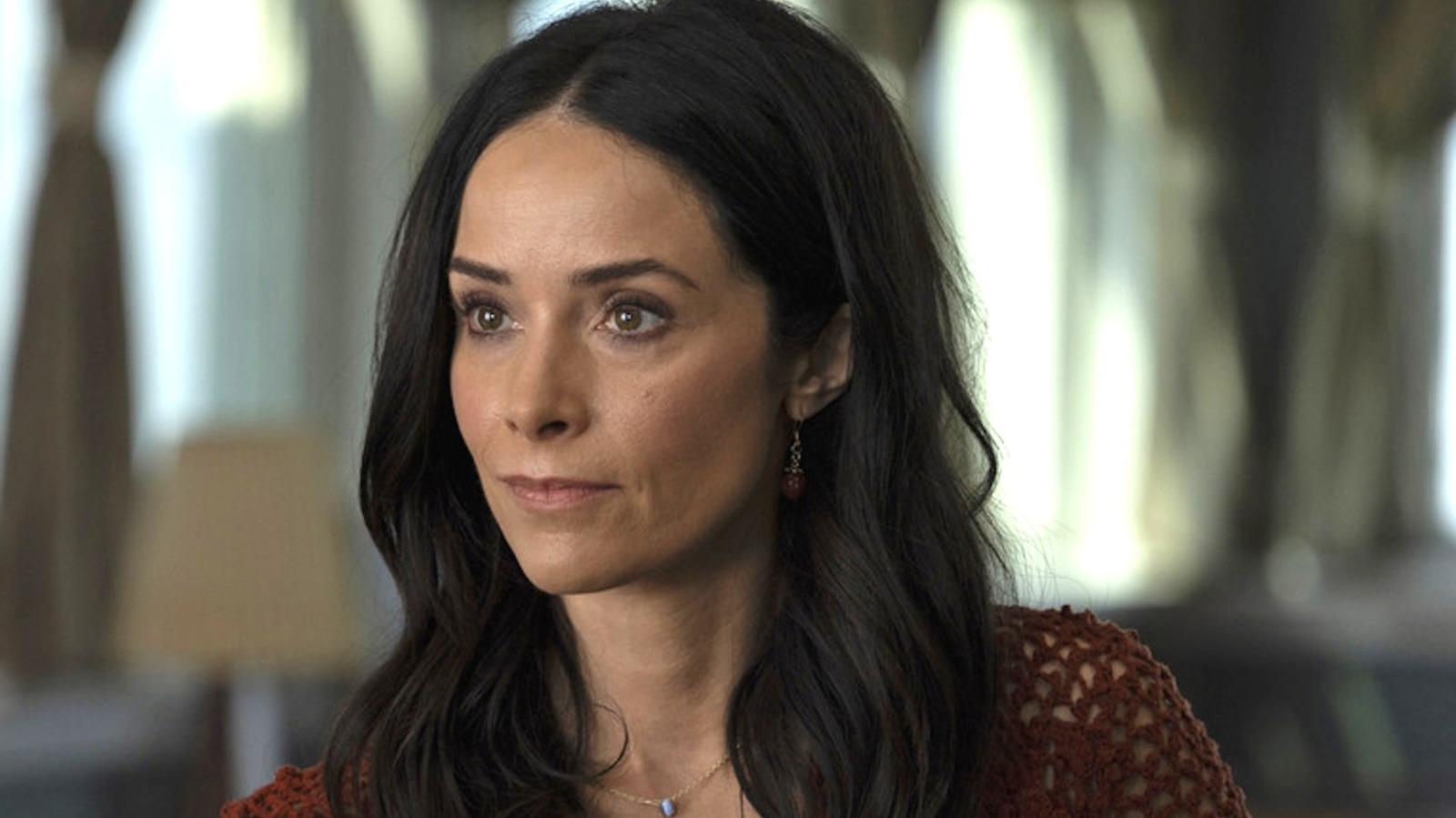
Her performance in the cult-favorite sci-fi series Timeless suggested that she was capable of leading a project that required both emotional vulnerability and physical grit. Now, as Louisa Gavin in Best Medicine, Spencer has finally hit her "wheelhouse." As the skeptical schoolteacher who serves as the moral compass for Dr. Best, she is not merely a love interest or a foil; she is the gravitational center of the show. She is the first person in Port Wenn to see through Best’s defensive, irritable facade, identifying the wounded human beneath the white coat.
Chronology of a Character Arc
The development of Louisa Gavin has been a slow burn, intentionally paced to match the rhythm of the Maine coastal setting.
- Introduction (Episode 1-3): Louisa is introduced as the skeptical local who immediately identifies Dr. Best as an outsider. Her resistance to his presence isn’t based on malice, but on a protective instinct for her community.
- The Catalyst (Episode 4-6): The revelation of Best’s blood phobia marks a turning point in their relationship. Louisa, who prides herself on her observational skills, realizes that Best is not just rude—he is terrified. This shift in power dynamics allows their relationship to move from adversarial to begrudgingly collaborative.
- Deepening Ties (Episodes 7-Present): As the series progresses, Louisa has become the primary bridge between Best and the townspeople. Whether she is bringing food to his office or acting as a mediator during town disputes, she is the one humanizing the "hot shot" doctor.
Supporting Data: Why This Formula Works
Industry analysts have noted a trend toward "comfort TV"—shows that favor low-stakes, character-driven resolutions over the dark, sprawling narratives of the "Golden Age of Television."
According to viewer engagement metrics, Best Medicine has seen a steady uptick in retention rates, particularly among the 25-54 demographic. Media psychologists suggest this is due to the "competence porn" aspect of the medical drama combined with the "cozy mystery" atmosphere of a small town. Unlike The Pitt or other gritty medical dramas that emphasize the chaos of the ER, Best Medicine highlights the value of small-town community cohesion.
Official Responses and Creative Direction
The showrunners have been vocal about their intention to keep the narrative grounded. In a recent press statement, the production team noted, "We are not trying to blaze new trails in terms of medical procedural innovation. We are trying to blaze trails in terms of kindness."
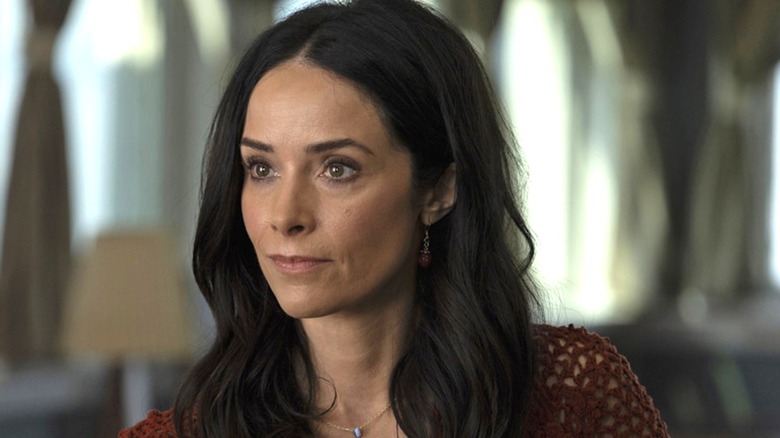
The decision to focus on the chemistry between Josh Charles and Abigail Spencer was deliberate. By casting two actors with established histories in both comedy and drama, the writers have the freedom to pivot from slapstick misunderstandings to profound, quiet moments of human connection without losing the show’s tonal consistency.
The Implications: What Does This Mean for Fox?
The success of Best Medicine has significant implications for Fox’s programming strategy. By leaning into a "feel-good" narrative, the network is signaling a move away from the high-octane procedural model that dominated the mid-2010s.
If Best Medicine continues to build its audience, it could establish a template for a new generation of "soft" dramas. For Abigail Spencer, the role of Louisa Gavin is a clear indicator that she is ready to anchor long-running, successful series. Her ability to balance the skepticism required by the role with the warmth necessary to keep the audience invested is a testament to her longevity in the industry.
Conclusion: The Path Forward
As Best Medicine approaches its mid-season return this September, the stakes are rising. The audience has invested in the arc of Dr. Best’s redemption, but the longevity of the series relies entirely on the stability of the town itself. Louisa Gavin is the guardian of that stability.
In a world that often feels as though it is spinning off its axis, there is a genuine demand for television that doesn’t just reflect our anxieties, but offers a path toward kindness. Best Medicine doesn’t promise to fix the world, but for one hour a week, it offers a reminder that even the most stubborn, wounded people can find a place to belong. As long as Abigail Spencer remains the heart of Port Wenn, the audience will be right there with her, waiting to see what happens next.