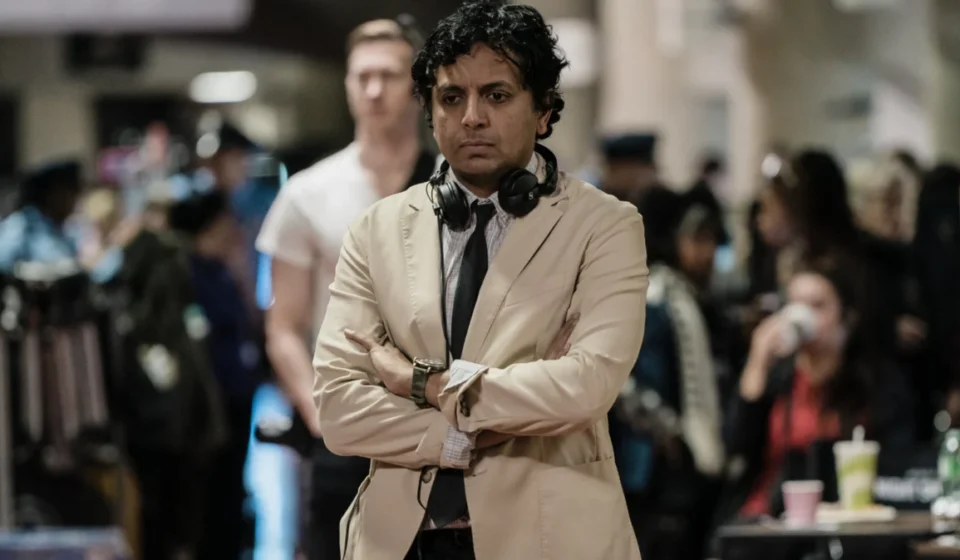
The Architect of Resilience: How M. Night Shyamalan Transformed "Dark Times" into a Career Renaissance

Few figures in the modern cinematic landscape have experienced a narrative arc as volatile, dramatic, and ultimately redemptive as M. Night Shyamalan. From the stratospheric highs of a directorial debut that defined a generation to the crushing weight of critical and commercial disillusionment, Shyamalan’s career serves as a masterclass in professional survival. In a recent reflection on his journey, the filmmaker pulled back the curtain on his lowest point, revealing a philosophy of incremental progress that saved his career and redefined his creative process.
The Weight of Expectations: A Chronology of a Career Rollercoaster
To understand the gravity of Shyamalan’s recent comments, one must first appreciate the unique pressure he has faced since the late 1990s. When The Sixth Sense (1999) arrived in theaters, it did more than just become a box-office phenomenon; it cemented Shyamalan as the heir apparent to the masters of suspense. However, the success of The Sixth Sense—coupled with the subsequent triumphs of Unbreakable (2000) and Signs (2002)—created an almost impossible standard.
The public perception of his career often ignores that his true feature debut was the 1992 indie drama Praying with Anger, a small-scale, deeply personal project that stands in stark contrast to the massive, twist-heavy spectacles that would eventually define his brand. By the mid-2000s, after the divisive reception of The Village (2004), the tide began to turn. A string of high-profile projects failed to capture the zeitgeist, leading to a period of industry exile where the director was frequently cited as a cautionary tale—an example of a talent who burned too bright and too fast.
The "Cautionary Tale": Facing the Darkness
In a candid reflection provided during his 2025 career retrospective with GQ, Shyamalan admitted that he was acutely aware of his standing in Hollywood during his fall from grace. He felt the weight of being perceived as a "has-been" and feared he was becoming exactly what the industry predicted: a cautionary tale.
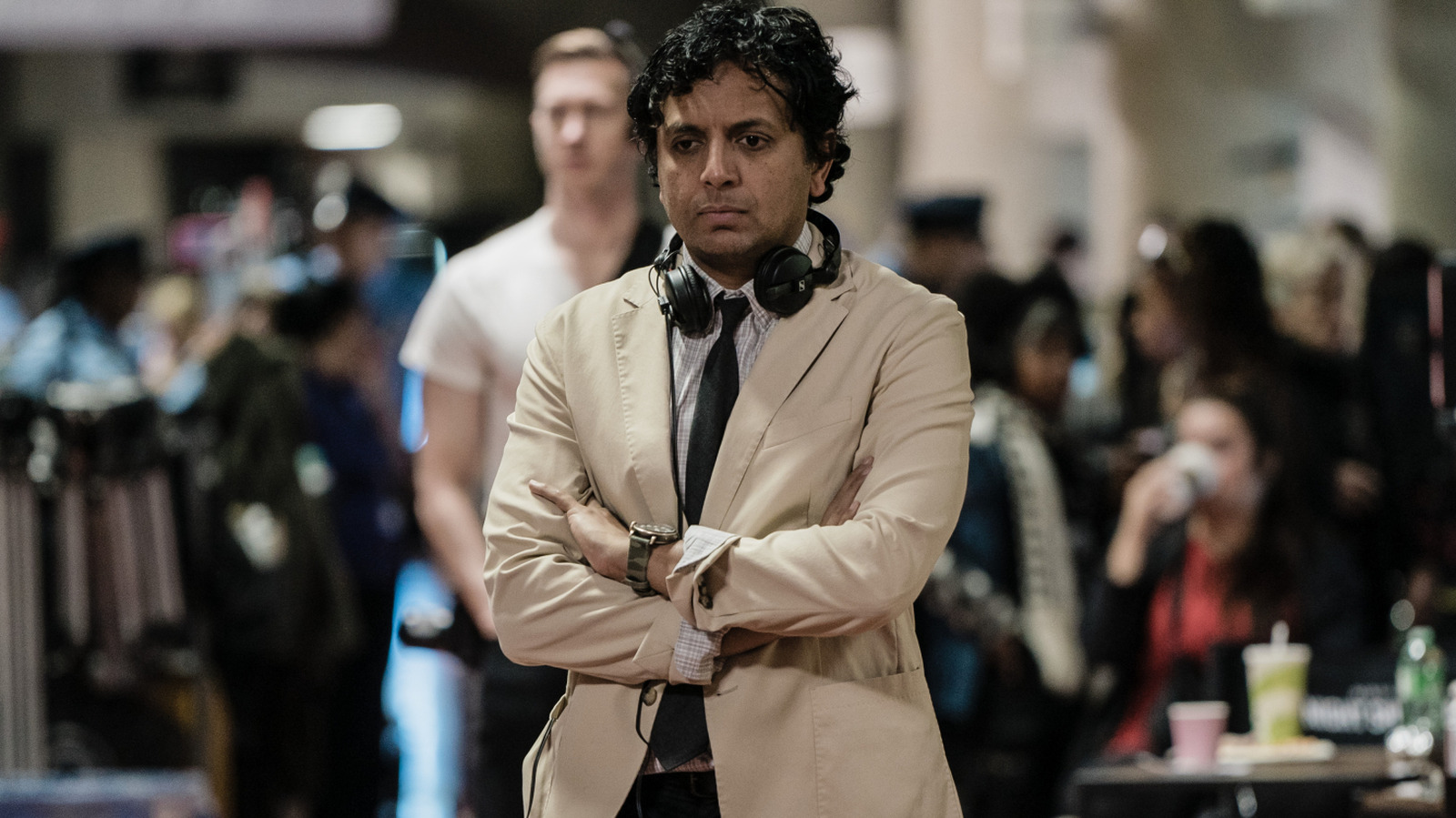
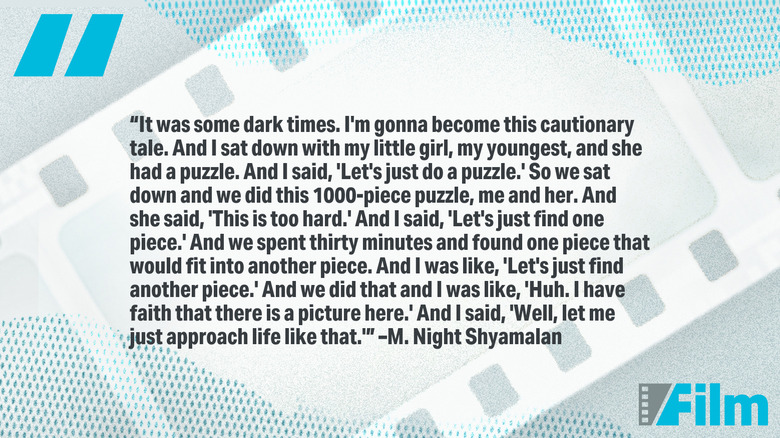
"It was some dark times," Shyamalan confessed. "I’m gonna become this cautionary tale."
The turning point, however, was not a grand epiphany or a massive studio deal. It was a quiet, domestic moment with his youngest daughter that would provide the blueprint for his entire professional comeback.
The Puzzle Metaphor
As Shyamalan recounts, he was sitting with his daughter while she worked on a 1,000-piece jigsaw puzzle. Overwhelmed by the scope of the task, she remarked, "This is too hard." His response to her became his own mantra for survival: "Let’s just find one piece."
The director spent the next thirty minutes in silence with his daughter, focusing entirely on the singular task of connecting two pieces. That moment of clarity—the realization that even the most daunting, complex, and intimidating goals can be achieved through small, consistent, and singular victories—reprogrammed his approach to filmmaking. He moved from worrying about the crushing pressure of mortgages, studio expectations, and the "stakes" of a potential career-ending failure to a state of meditative focus.
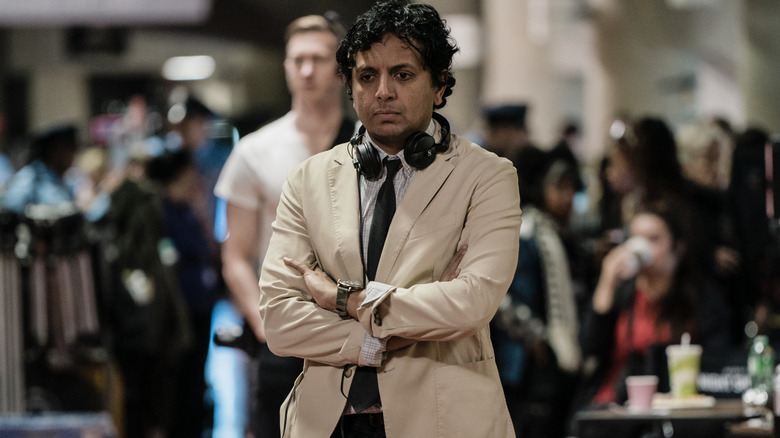
Supporting Data: The Strategic Gamble of "The Visit"
The practical application of this "puzzle piece" philosophy manifested in the production of his 2015 horror film, The Visit. At this stage, Shyamalan’s reputation was at its nadir. Studios were gun-shy, and the prospect of a major backer for an original script was virtually nonexistent.
Instead of compromising his vision to fit into a studio-approved mold, Shyamalan took the ultimate risk: he mortgaged his own home to fund the production. This was not merely an act of desperation; it was a calculated bet on his own process.
Applying his new philosophy, he approached The Visit with a granular focus. "The next morning I was like, ‘Let’s make one moment better in The Visit,’" he explained. "So I sat in the editing room and I just made one moment better, made one line better, made one cut better, and I did that every day. One more piece, one more piece, one more piece. And I forgot all about the mortgage on the house and the stakes and everything. And I fell in love with that process."
The result was an immediate, resounding success. The Visit was both critically praised and highly profitable, effectively launching a second act that has seen Shyamalan return to the upper echelon of directors—a rare circle of auteurs including Jordan Peele, Greta Gerwig, and Christopher Nolan, whose names carry enough weight to market a film entirely on their own merit.
The Deeper Meaning: Perspective and the Generational Shift
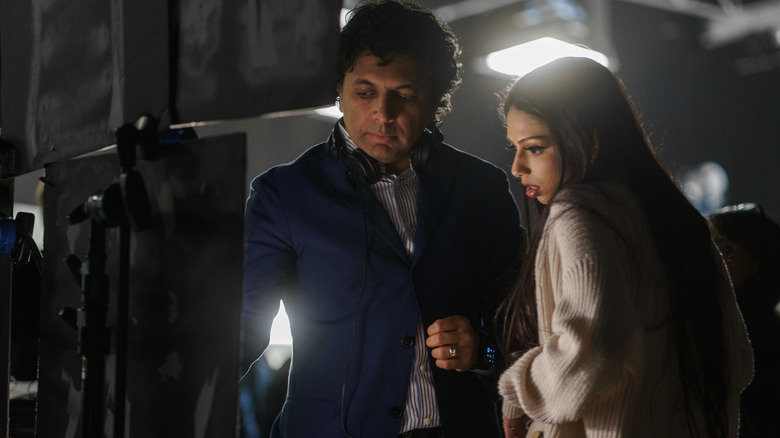
The significance of Shyamalan’s anecdote is magnified by the current trajectory of his family. The theme of mentorship and legacy has become central to his work. His daughters are now active participants in the craft: Saleka Night Shyamalan recently starred in his thriller Trap, and Ishana Night Shyamalan made her own directorial debut with the atmospheric folktale The Watchers.
This familial connection underscores the "puzzle" metaphor. Just as he taught his daughter the value of incremental focus, he is now passing that same discipline to the next generation of filmmakers. This perspective is vital in an industry that is notoriously unforgiving. In Hollywood, "failing upwards" is a luxury afforded to very few, and Shyamalan was not one of them. He recognized that there would be no safety net if The Visit failed. His success, therefore, was not the result of blind luck or industry favor, but the result of a deliberate, daily commitment to improvement.
Implications for Modern Filmmaking
Shyamalan’s journey offers a profound lesson for creators across all disciplines. In an era where social media and digital metrics create a constant, overwhelming pressure to produce "content" that must be an immediate, viral success, Shyamalan’s story serves as an anchor.
His "puzzle" philosophy challenges the obsession with the "Big Picture" or the "Final Product." When creators focus exclusively on the end goal—the box office, the review scores, the cultural impact—they often paralyze themselves. By focusing on the "one piece" in front of them—a single line of dialogue, a single frame, a single edit—they reclaim their autonomy.
A New Standard of Auteurship
Shyamalan’s resurgence proves that the "auteur" model is still viable if the director is willing to adapt. He has moved from the director who relied on the "twist" as a crutch to a filmmaker who relies on the rigor of the process. His recent work—whether it be the claustrophobic tension of Old or the high-concept psychological horror of Trap—shows a director who is no longer afraid of the dark times because he knows how to build a light, one piece at a time.
Conclusion
M. Night Shyamalan’s career is no longer defined by his early success or his middle-period struggles. It is defined by the resilience he cultivated in the silence of an editing room. By stripping away the noise of industry expectations and focusing on the tactile, daily work of storytelling, he managed to rewrite his own narrative.
For those who view him as a cautionary tale, Shyamalan has provided a different kind of lesson: that the hardest puzzles are the ones most worth solving, provided you have the patience to find the first piece. As he continues to dominate the thriller genre, it is clear that he is no longer just a director; he is a testament to the idea that even after the darkest times, the picture can still be completed.