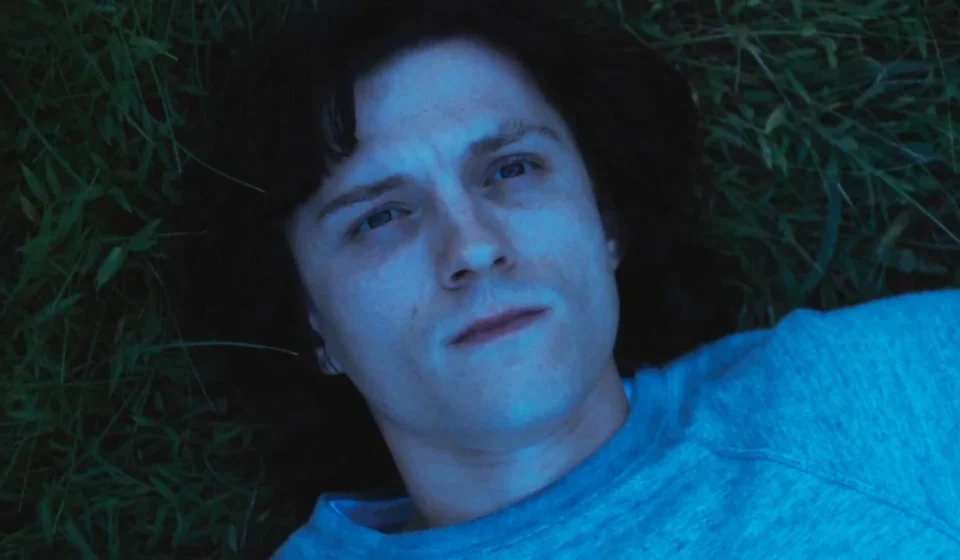
The Miscalculation of Stardom: Why ‘The Crowded Room’ Remains a Career Low for Tom Holland

In the landscape of modern Hollywood, few actors have navigated the transition from teenage blockbuster sensation to mature dramatic lead as publicly—or as precariously—as Tom Holland. As of 2026, the British star finds himself in a triumphant position. With the massive success of Christopher Nolan’s The Odyssey and the record-shattering box office performance of Spider-Man: Brand New Day, Holland has firmly cemented his status as a marquee draw. However, the road to this professional zenith was paved with significant stumbles, most notably the 2023 Apple TV+ miniseries The Crowded Room.
Despite being positioned as a prestige project designed to showcase Holland’s range, the series stands as one of the most prominent failures in his filmography. This deep dive examines the anatomy of that project, the critical backlash, and what the misfire revealed about the challenges of transitioning away from the Spider-Man persona.
The Genesis of a Prestige Ambition
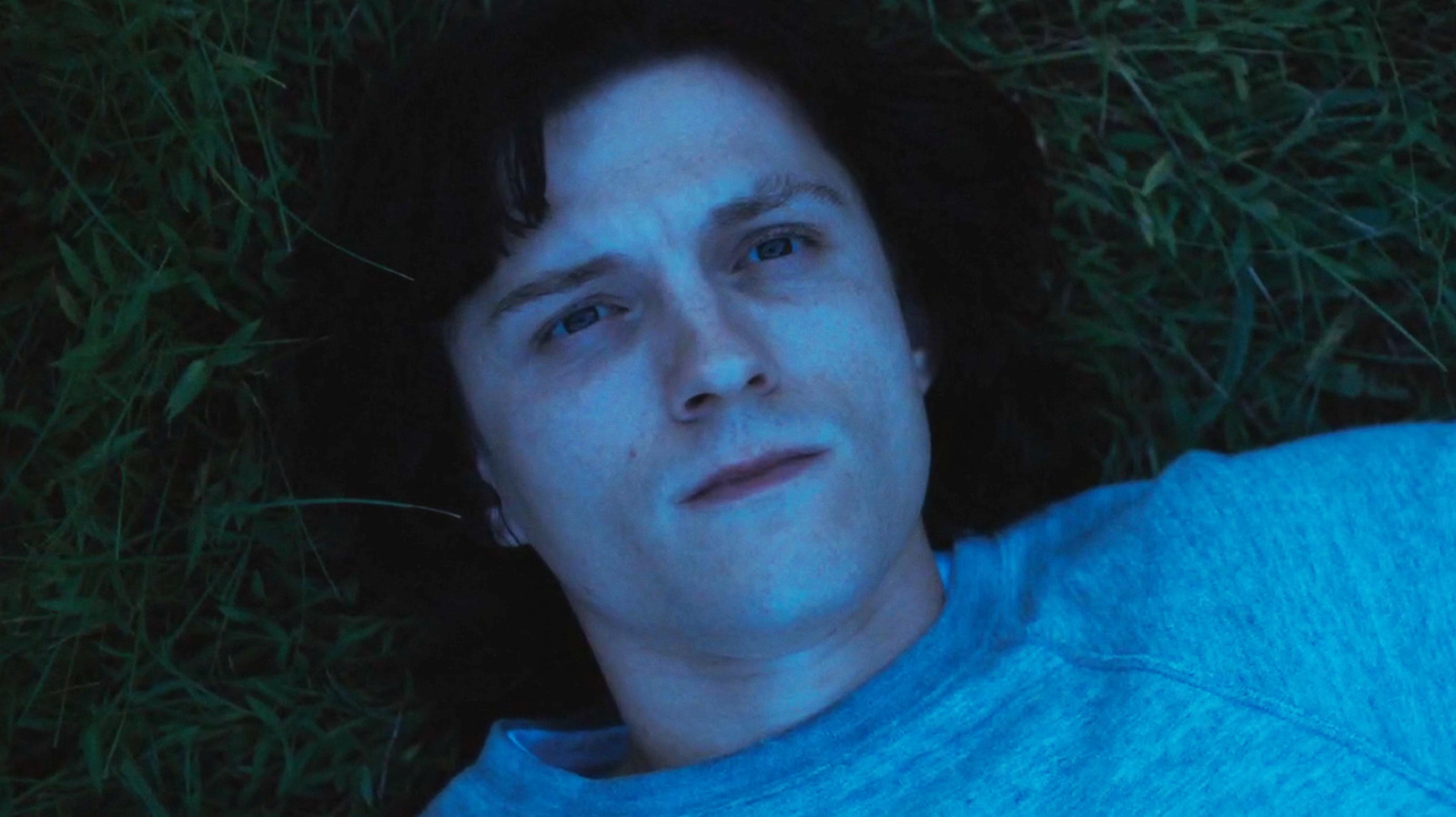
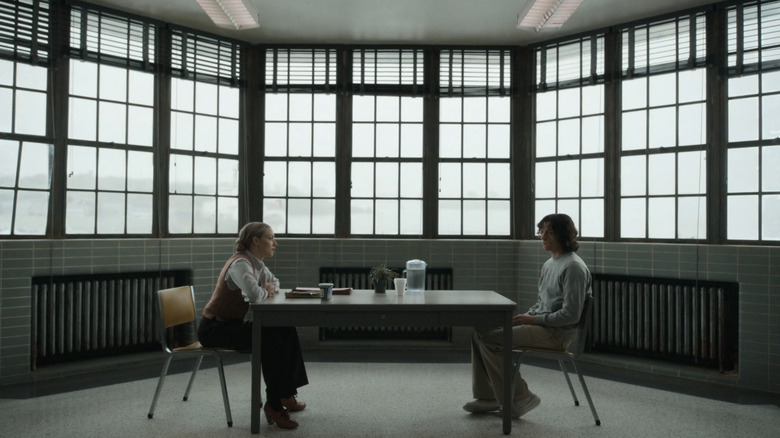
The Crowded Room was conceived not merely as another project, but as a vehicle for artistic reinvention. Created by Akiva Goldsman—an Academy Award winner for A Beautiful Mind—the series was intended to be a gritty, character-driven psychological thriller. It centered on Danny Sullivan, a young man arrested for a harrowing 1979 shooting in New York City. The narrative framework, which utilized a series of investigative interviews between Sullivan and interrogator Rya Goodwin (played by Amanda Seyfried), was designed to peel back layers of trauma, mental health, and the complexities of dissociative identity disorder.
For Holland, who also served as an executive producer on the project, the appeal was clear. Having spent nearly a decade under the red-and-blue mask of Peter Parker, he sought a role that demanded visceral emotional labor. He wanted to shed the "boyish charm" that defined his earlier career and prove he could carry the weight of a dark, multifaceted, and deeply broken protagonist.
A Chronology of the Disconnect
The project’s trajectory from development to disappointment can be mapped through its reliance on source material and its structural execution.
The Source Material
The show was loosely inspired by Daniel Keyes’ 1981 non-fiction novel, The Minds of Billy Milligan. The book chronicled the life of the real-life Milligan, the first person to be acquitted of major crimes—including armed robbery and rape—by successfully pleading dissociative identity disorder in court. While the series changed the protagonist’s name to Danny Sullivan, it aimed to capture the intensity of the original account.
The Production Phase
When the series was announced, it generated significant industry buzz. Apple TV+ was looking to bolster its library with high-concept intellectual property, and the pairing of a Marvel superstar with an Oscar-winning writer suggested a surefire awards contender. Production was grueling, with Holland later revealing that the psychological intensity of the role required him to take a hiatus from acting once filming concluded.
The 2023 Release
When the show finally arrived on Apple TV+ in June 2023, the reception was immediate and largely unforgiving. Critics questioned the necessity of the 10-episode format, which many felt stretched an already convoluted narrative to the breaking point. By the time the final episodes aired, the series had failed to gain the cultural traction expected of a project of its scale, marking it as a rare, high-profile miss for the streamer.
Supporting Data and Critical Consensus
The numbers surrounding The Crowded Room paint a stark picture. On the review aggregator Rotten Tomatoes, the series limped to a 33% critical approval rating. This score was particularly damaging given the talent involved.
Key Criticisms
The professional consensus coalesced around a few central themes:
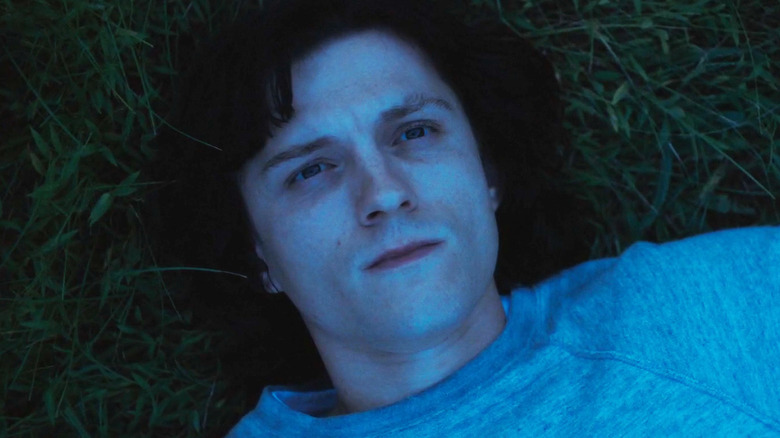
- Pacing and Bloat: Critics, including Robert Lloyd of the Los Angeles Times, noted that the series was "padded with extraneous material." The decision to stretch the story across ten hours often resulted in a narrative that felt tiresome rather than suspenseful.
- Misunderstood Intensity: While few questioned Holland’s work ethic, many reviewers felt that the performance was a case of "trauma mistaken for drama." Marshall Shaffer, writing for /Film, argued that the series miscast the central leads, forcing them into roles that didn’t play to their natural strengths.
- The "Bleak Gimmickry": Brian Lowry of CNN criticized the show’s stylistic choices, suggesting that the "showy" nature of the role actually hampered Holland’s ability to connect with the audience. The series’ attempts at high-brow psychological exploration often landed as cold or overly manipulative.
The Rare Positive Voices
It would be inaccurate to label the reception as universally hostile. A minority of critics, such as Matthew Gilbert of the Boston Globe, praised the show as a "heartfelt portrait of mental illness." These supporters argued that the show’s willingness to explore the "shadows" of the human condition was admirable, even if the execution was occasionally flawed.
Official Responses and Industry Context
Neither Apple TV+ nor Holland’s camp issued a formal post-mortem on the show’s performance, a standard practice for streaming platforms that rarely release granular viewership metrics. However, the silence was telling. In the months following the release, the industry narrative shifted to focus on Holland’s return to blockbuster filmmaking.
Industry analysts suggest that the failure of The Crowded Room serves as a cautionary tale for "IP-driven casting." Often, studios assume that a globally recognized face can elevate any material, regardless of tone or narrative density. When that assumption fails, it highlights the importance of matching an actor’s specific screen presence with the right genre.
Holland’s previous experience with Apple TV+ on the film Cherry—which was also met with a lukewarm critical response—further solidified a perception that the actor was struggling to find his footing outside of the Marvel Cinematic Universe.
Implications for Tom Holland’s Career
In hindsight, The Crowded Room was an essential, albeit painful, developmental step for Holland. It forced him to confront the limitations of his public persona. The failure of the show taught him that "seriousness" is not a substitute for effective storytelling, and that the audience’s expectations of him as a performer are deeply tied to the charisma and relatability he cultivated in his early years.
By 2026, the lessons from that period appear to have been absorbed. His recent performances in The Odyssey and Spider-Man: Brand New Day reflect a more mature, refined approach to character work. He is no longer trying to force himself into "gritty" boxes to prove his worth. Instead, he has leaned into roles that balance his natural screen presence with complex, layered storytelling.
Conclusion: Lessons from the Flop
The legacy of The Crowded Room is that of a "what-if" project. It was a bold swing that missed, but it served as a necessary corrective in Holland’s career arc. It reminded both the actor and the industry that a massive budget and high-profile talent cannot compensate for a bloated script and a lack of narrative focus.
As Tom Holland continues to dominate the box office in the mid-2020s, he stands as a testament to the idea that failure is not the end of a career, but a vital component of its evolution. The actor who struggled in the halls of The Crowded Room is fundamentally different from the one currently setting records. For the audience, the experience remains a curious, if ultimately flawed, piece of television—a reminder that even the biggest stars are not immune to the occasional, high-profile misstep.