The Anatomy of Vengeance: Why Elizabeth Meriwether’s ‘Furious’ Is the Crime Thriller of the Year

In the landscape of modern prestige television, the crime thriller is a well-worn path. It is a genre defined by specific, often rigid landmarks: the disgraced detective, the serial killer who leaves a cryptic trail, the institutional rot of a police precinct, and the uneasy, blurred line between the hunter and the hunted. On paper, Hulu’s new series Furious—the latest project from New Girl and The Dropout creator Elizabeth Meriwether—might seem like another entry in a crowded field. However, to dismiss Furious as a mere procedural is to ignore the surgical precision with which Meriwether deconstructs the genre from the inside out.
Furious is not merely a show about catching a killer; it is a meditation on the cost of justice, the weight of apathy, and the terrifying reality that, in an unjust world, the most dangerous person is often the one who has finally stopped playing by the rules.
The Premise: A Collision of Two Worlds
At the heart of the narrative is Alice Black, portrayed with a haunted, brittle intensity by Emmy Rossum. Alice is a former Brooklyn P.D. detective now relegated to a low-level duty agent role within the FBI. Her descent is not a professional failure, but a moral one: she was effectively pushed out of the NYPD after blowing the whistle on her then-boyfriend and colleague, Marshall (Jake Lacy), for domestic abuse. In the insular, often misogynistic culture of the department, Alice’s testimony was treated as an act of treason.
The catalyst for the series is a high-profile homicide that lands on her desk, thanks to the persistence of Danny Kelly (Scoot McNairy), a rare, morally grounded officer who has long harbored feelings for Alice. The victim is the son of a billionaire, and while the scene is staged to look like a tragic, accidental overdose, Alice immediately detects the fingerprints of something more sinister. The needle marks are too clinical, too precise; the body is bruised in ways that suggest a controlled, deliberate agony.

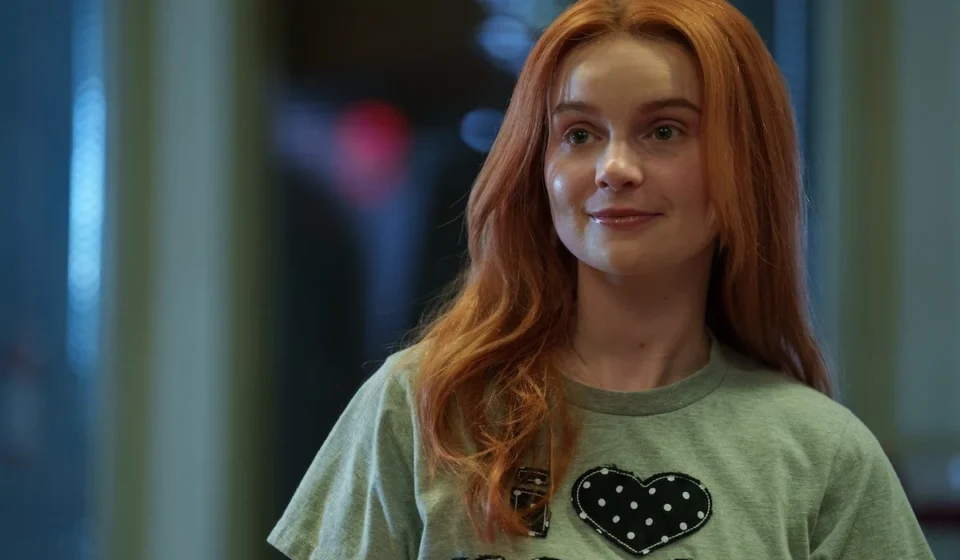
The audience, however, is granted an earlier look at the truth. We meet Catherine (Lola Petticrew), a young woman who haunts the periphery of New York City’s elite. The series opens with a chilling sequence on Halloween night: Catherine, wearing a cat mask, methodically poisons a wealthy young man in his brownstone. As he struggles for his final breath, her detachment is absolute. "I don’t really like listening to you," she tells him. "I don’t like the sounds you’re making. But I love your smile."
Chronology of a Hunt
The narrative structure of Furious is dual-tracked, following the hunt from both the perspective of the law and the perspective of the predator.
- The Inciting Incident: Following the discovery of the poisoned billionaire’s son, Alice is brought in as a consultant. Her immediate ability to deconstruct the crime scene sets her apart from her peers, but it also signals her re-entry into a world that attempted to discard her.
- The Escalation: As Alice begins to find connections between this murder and cold cases from her time at the NYPD, the viewer sees Catherine moving through the city’s shelter network. She is not a chaotic force; she is a ghost, strategically dismantling the lives of powerful, entitled men who have evaded conventional justice.
- The Intersection: The tension of the series lies in the inevitable collision. As Alice investigates, she is forced to confront not only the killer but the reality that she and Catherine share a common enemy: a legal system that shields predators and silences survivors.
The Institutional Failure: Supporting Data and Themes
Furious distinguishes itself through its unflinching look at the "basement" of law enforcement—both literal and metaphorical. Alice is partnered with Nora, played with weary, brilliant cynicism by Quincy Tyler Bernstine. Nora is the veteran cop who has seen too much and expects nothing. She spends her days in a windowless room, reviewing video evidence of heinous crimes against minors—crimes the public and the higher-ups prefer to pretend do not exist.
The dialogue between Alice and Nora serves as the series’ moral anchor. In one standout scene, Nora explains the cycle of violence, noting, "Women are supposed to be hit and raped and go away and die quietly, not start murdering people." She identifies a harrowing truth: that those who survive systemic violence are often the only ones who understand the necessity of, and the temptation toward, extreme retribution.

This thematic depth is what elevates Furious from a cat-and-mouse game to a profound character study. Meriwether, drawing loose inspiration from the 1987 film Black Widow, moves away from the "villain of the week" trope. Instead, she invites the audience to ask an uncomfortable question: If the system is designed to allow predators to thrive, is the person who stops them a criminal, or a necessary corrective?
Official Responses and Creative Direction
In interviews surrounding the series, Elizabeth Meriwether has emphasized that Furious was born out of a desire to explore the "fury" that women are often forced to suppress. By casting Emmy Rossum—known for her ability to portray profound vulnerability and steel—alongside the breakout performance of Lola Petticrew, the production ensures that the moral gray areas of the story are anchored by human complexity.
The supporting cast, particularly Scoot McNairy, provides a necessary counterweight to the darkness. McNairy’s portrayal of Danny Kelly is not that of a "white knight" savior, but of a man attempting to maintain his humanity in a job that actively tries to erode it. His anguish, coupled with the sharp, sardonic wit of Steve Way’s character, provides the series with moments of levity that prevent the subject matter from becoming nihilistic.
Implications: The Legacy of ‘Furious’
The implications of Furious extend beyond the television screen. By centering a narrative on the failures of the legal system to protect the vulnerable, the show taps into a zeitgeist of cultural frustration. It challenges the viewer to define what justice looks like when the law is no longer a viable arbiter of truth.

Furthermore, the show’s success in its pilot episodes suggests a pivot in how we consume crime dramas. We are no longer satisfied with the "genius detective" trope. We are demanding stories that grapple with the why rather than the how. Why do people snap? What is the breaking point for a society that ignores the suffering of its most marginalized members?
Furious is not an easy watch, but it is an essential one. It is a masterclass in tone, balancing the high-stakes suspense of a thriller with the intimate, quiet moments of character development that make the inevitable violence feel earned rather than gratuitous.
Conclusion: A New Standard for the Genre
As Furious begins its weekly rollout on Hulu—premiering July 27 with three episodes and concluding on August 31—it arrives as a high-water mark for the genre. It is a show that thrives in the nitty-gritty, using the familiar tools of the police procedural to build something far more revelatory.
In the final estimation, Furious is a triumph of storytelling. It forces the audience to sit with their own moral compass and consider the thin, fragile line between justice and vengeance. It is a series that will be remembered not just for its shocking twists, but for the haunting, lingering questions it leaves in the minds of its audience long after the credits roll.

Grade: A-
Furious premieres Monday, July 27 on Hulu.