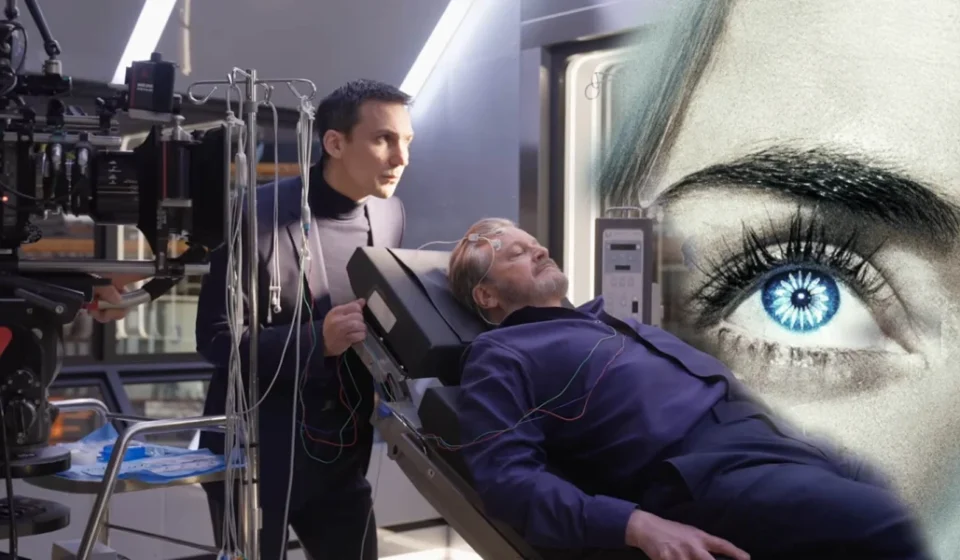
The Spielbergian Paradigm: Unpacking the Visual and Narrative Craft of ‘Disclosure Day’

In the storied career of Steven Spielberg, few themes have proven as resonant or as enduring as the “aliens-amongst-us” trope. From the celestial wonder of E.T. to the haunting, grounded realism of Close Encounters of the Third Kind, Spielberg has long interrogated the intersection of the extraterrestrial and the domestic. His latest cinematic venture, Disclosure Day—a gripping science fiction thriller penned by David Koepp—marks a sophisticated evolution of this thematic obsession.
On the latest installment of The VFXShow, hosts Matt Wallin, Jason Diamond, and Mike Seymour conducted an exhaustive deep dive into the film’s architecture, analyzing how the production bridges the gap between high-stakes global conspiracy and intimate human frailty.
Main Facts: A New Chapter in Sci-Fi Cinema
Disclosure Day is a high-concept thriller that avoids the bombastic tropes of modern blockbuster alien invasions. Instead, it opts for a creeping, atmospheric sense of unease. Directed by Spielberg and boasting an ensemble cast that includes Emily Blunt, Josh O’Connor, Colin Firth, Eve Hewson, and Colman Domingo, the film functions as a narrative onion.
At its outset, the audience is introduced to a world of stolen extraterrestrial technology and clandestine, government-adjacent corporations. The shadow of Roswell hangs heavily over the plot, suggesting a history of contact that has been systematically erased from public consciousness. However, the film quickly pivots away from mere procedural investigation to become a deeply character-driven exploration of memory, fear, and the profound, often terrifying, implications of communicating with the "other."
Chronology of Production and Narrative Arc
The development of Disclosure Day saw a meticulous approach to visual storytelling, where the "reveal" of the alien presence was intentionally deferred. Rather than leaning on a single, massive visual effects set-piece, the production team, led by Spielberg, opted for a cumulative narrative structure.
The Stages of Contact
- The Conspiracy Phase: The film opens with the hallmarks of a political thriller. The focus is on the logistics of concealment—the "how" and "why" of the government’s suppression of extraterrestrial history.
- The Pattern Recognition Phase: As the protagonists (played by Blunt and O’Connor) begin to peel back the layers of the conspiracy, the extraterrestrial presence begins to manifest through subtle, unsettling patterns. These aren’t necessarily spaceships or laser battles, but shifts in reality that suggest a non-human influence.
- The Human Integration Phase: The final act focuses on the psychological toll of this knowledge. As the characters grapple with the reality of contact, the film shifts focus to the internal, emotional impact of these encounters, forcing a confrontation with suppressed childhood memories and a burgeoning, shared alien language.
Supporting Data: The Craft of "Invisible" VFX
A significant portion of the VFXShow discussion centers on the technical execution of the film’s "invisible" visual effects. In an era dominated by CGI-heavy spectacles, Spielberg’s restraint stands out.
The film utilizes a sophisticated blend of practical effects and subtle digital enhancement to ground the extraterrestrial elements in reality. The alien influence is represented through a diverse array of media:
- Organic Interaction: The use of animal behaviors to hint at extraterrestrial presence serves as a masterclass in unnerving cinematography. By imbuing natural creatures with subtle, "wrong" movements, the VFX team creates a sense of wrongness that is more disturbing than a digital creature.
- Psychic Connections: Visualizing the internal, neurological bridge between humans and the visitors required a nuanced approach to light and sound design.
- The Alien Language: Rather than opting for generic subtitles or binary code, the film develops a visual "language" that is integrated into the environment itself, forcing the audience to look for meaning in the background details of each scene.
Official Responses and Creative Vision
The creative team behind Disclosure Day has been clear about their intent: to move away from the "invader" archetype. During the VFXShow podcast, the hosts highlighted the collaboration between David Koepp’s screenplay and Spielberg’s visual direction.
"The film isn’t about the technology of the aliens," notes Mike Seymour. "It is about the human reaction to the impossible. It’s about how we translate the untranslatable."
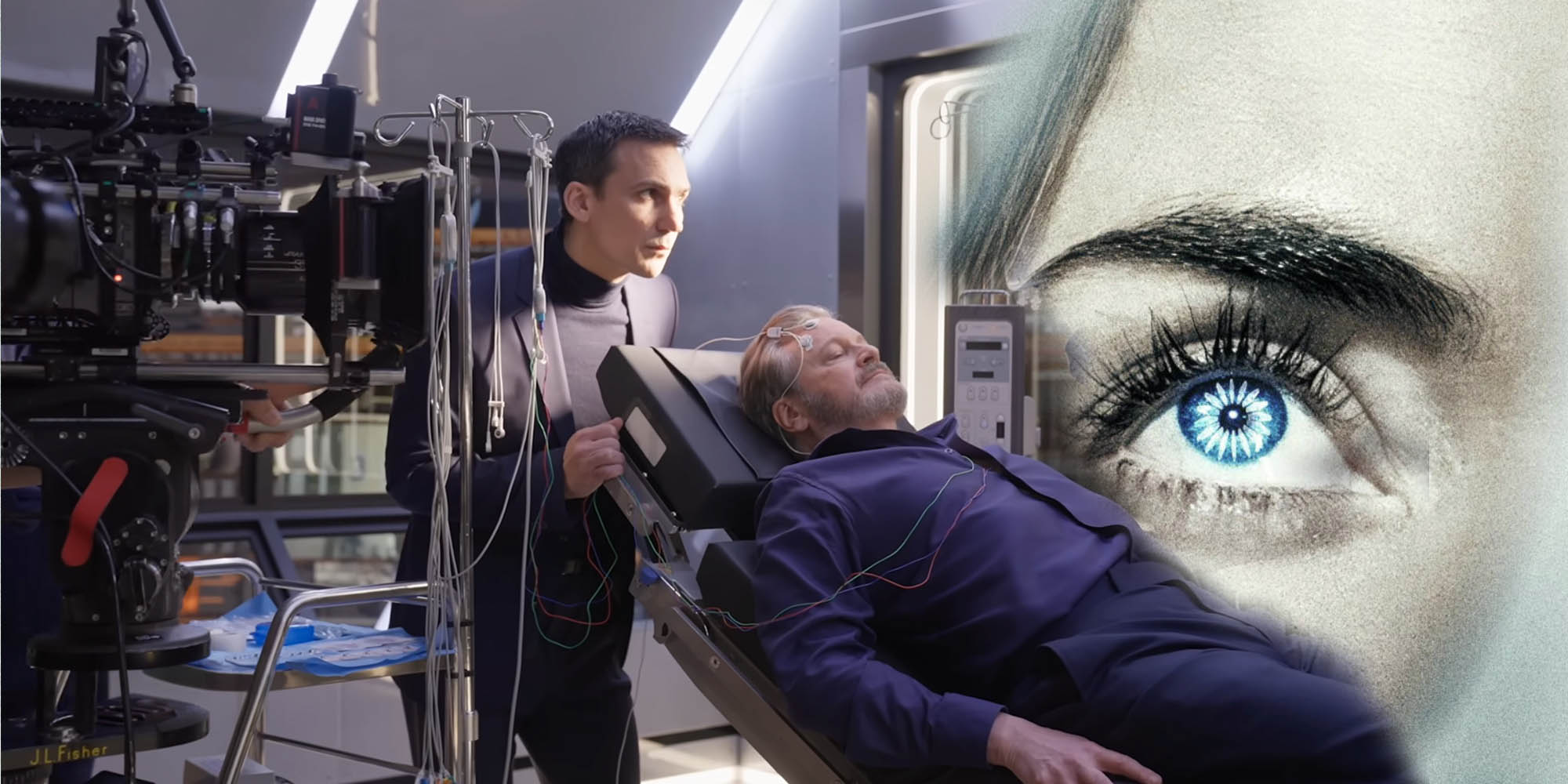
The cast, particularly Emily Blunt and Colman Domingo, have spoken in behind-the-scenes features about the necessity of maintaining a "human anchor" in a film that explores such cosmic themes. By keeping the stakes intimate—focusing on family secrets and personal memory—the film ensures that the audience remains grounded even as the plot scales toward global implications.
Implications: The Future of Sci-Fi Thrillers
Disclosure Day represents a significant shift in how science fiction is being produced in the mid-2020s. By prioritizing atmosphere and psychological depth over traditional action-set pieces, the film challenges the industry standard for what a "thriller" can be.
Industry Impact
The success of this approach signals a potential return to the "Thinking Person’s Sci-Fi." The implications for visual effects studios are profound:
- Quality Over Quantity: The focus on "invisible" effects suggests that studios will continue to pivot toward using VFX as a narrative tool rather than a crutch for spectacle.
- The Return of the Auteur: Spielberg’s ability to weave personal, humanistic storytelling into a high-budget genre film remains a gold standard that many in the industry are attempting to emulate.
- Audience Engagement: The film’s structure—which rewards attentive viewers who look for patterns and "hidden" cues—invites a level of post-viewing discourse rarely seen with blockbuster films. It encourages the audience to act as investigators, mirroring the characters on screen.
Concluding Thoughts: A Podcast Summary
As the VFXShow hosts—Matt Wallin, Jason Diamond, and Mike Seymour—concluded in their latest episode, Disclosure Day is more than just a movie; it is a conversation. By dissecting the technical and narrative choices made by the production, the podcast highlights how a master director can reinvent his own signature tropes.
For those interested in the intersection of cutting-edge technology and classical storytelling, the episode serves as an essential guide. The meticulous work of Jim “In three, two…” Shen in production ensures that the discussion is as polished as the film itself.
As we look toward the future of the genre, Disclosure Day serves as a benchmark. It reminds us that while we may look to the stars for signs of life, the most compelling stories are always found in the quiet, hidden spaces of our own human experience.
Listeners are encouraged to subscribe to the VFXShow via their preferred podcast platforms—including Apple and Spotify—and to follow the fxguide YouTube channel for ongoing behind-the-scenes insights into the industry’s most ambitious projects.
About the Hosts:
- Matt Wallin (News Anchor): A veteran of the industry and a constant voice in visual effects critique. You can follow his ongoing analysis on Mastodon and Letterboxd.
- Jason Diamond (Sports Reporter): Known for his incisive cultural commentary and deep knowledge of cinematic history.
- Mike Seymour (Weather Man): The analytical backbone of the VFXShow, bringing his extensive academic and professional background in visual effects to every discussion at fxguide.