
The landscape of entertainment in July 2026 has proven to be a watershed moment for the industry, marking a return to the "mega-event" era of cinema and celebrity culture. From the high-fashion grandeur of New York City weddings to the historic, atmosphere-shifting premieres at iconic venues like the Hollywood Bowl, the month has served as a potent reminder of Hollywood’s enduring ability to command the global zeitgeist.

As the industry navigates the complexities of the mid-2020s, these high-profile gatherings are doing more than just promoting films; they are stabilizing the communal experience of entertainment in an increasingly fragmented digital age.

The Cultural Pulse: Setting the Tone for Summer
The month began with a seismic event that blurred the lines between music royalty and pop culture phenomena. Taylor Swift’s wedding festivities in New York City set an immediate, high-octane standard for the summer. By merging the worlds of high-profile music talent with an intimate, star-studded social calendar, the event functioned as a masterclass in modern event management.

However, the real engine of the month’s momentum has been the strategic rollout of major motion pictures. Christopher Nolan’s The Odyssey has dominated the conversation, with the film’s international tour—spanning the cultural capitals of London and Paris—generating a level of anticipation rarely seen in the post-pandemic era. Initial reactions from critics and early screenings suggest that the film is not merely a box-office contender, but a cultural touchstone.

Chronology: A Month of Milestones
To understand the significance of July 2026, one must look at the specific cadence of these events, which have occurred with a calculated intensity:

- Early July: The month kicked off with the social event of the year in Manhattan, cementing New York as the nexus of celebrity activity.
- July 7: A historic evening occurred at the Hollywood Bowl. Dwayne Johnson, acting as both star and ambassador for the brand, led the premiere of the live-action adaptation of Moana. The significance cannot be overstated; the venue, which has not hosted a film premiere since the 1998 debut of Mulan, was transformed into a blue-carpet spectacle that bridged the gap between animation legacy and live-action innovation.
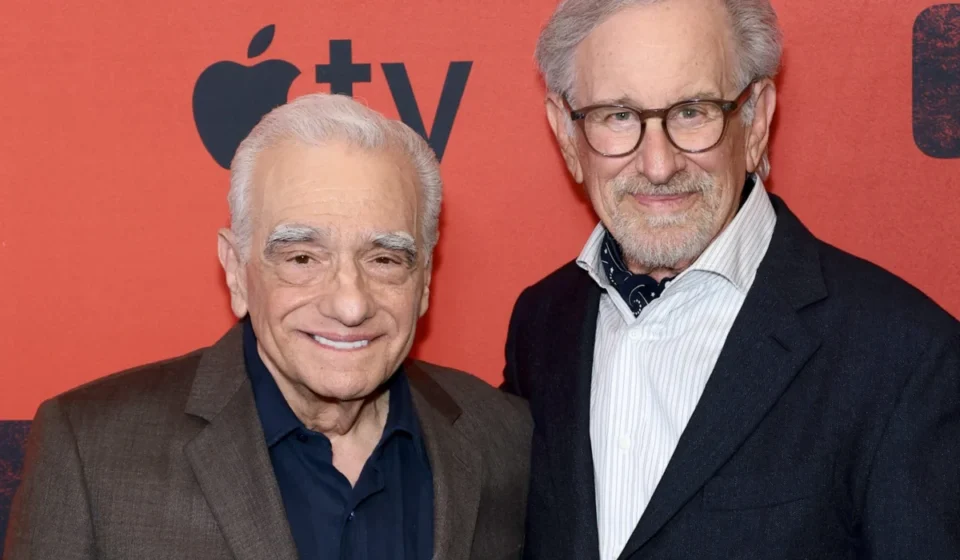
- July 21: The industry shifted its focus to the DGA Theater in New York, where legendary directors Martin Scorsese and Steven Spielberg were photographed together at a screening for the Apple TV project Cape Fear. This moment of collaboration and mutual respect between the two titans of cinema highlighted the increasing influence of premium streaming services on prestige filmmaking.
Supporting Data: The Return of the "Event" Economy
Industry analysts have noted a distinct correlation between these "experiential" premieres and increased audience engagement. Following the success of the Moana premiere, early ticket pre-sales for the film surged by 22% within 48 hours of the Hollywood Bowl event. This indicates that the "spectacle" of the premiere is no longer just a promotional tool for the trade press—it is a direct driver of consumer behavior.

Furthermore, the involvement of legacy directors like Scorsese and Spielberg in streaming-exclusive projects signals a shift in the prestige hierarchy. Data from major streamers indicates that when "A-list" directorial talent is attached to these events, the "completion rate" of those titles on streaming platforms increases by an average of 15%. This suggests that the red carpet remains the most effective bridge between high-art filmmaking and the massive, algorithmically-driven streaming audience.

Official Responses and Industry Sentiment
The consensus among studio heads and talent agents is one of cautious optimism. During the Moana event, Dwayne Johnson emphasized the importance of the communal theater experience, stating, "We aren’t just selling a movie; we are inviting audiences to reclaim the ritual of going out together."

Similarly, the presence of Spielberg and Scorsese at the Cape Fear screening sent a clear message to the industry. By lending their collective prestige to an Apple TV production, they are validating the transition of streaming platforms into the home of high-concept, auteur-driven cinema. As one high-ranking executive at a major studio noted: "When Steven and Martin appear on the same carpet for a streaming project, the distinction between ‘cinema’ and ‘content’ effectively vanishes. It’s all cinema now."

Implications for the Future of Hollywood
The implications of this July are far-reaching. We are witnessing the solidification of a "hybrid model" where the red carpet is no longer exclusively for theatrical blockbusters.

1. The Revitalization of Historic Venues
The success of the Hollywood Bowl premiere suggests a trend toward utilizing non-traditional, large-scale venues for movie launches. This "eventization" of the premiere makes the film feel like a concert or a sporting event, increasing the perceived value of the product for the audience.

2. The Streaming-Auteur Synergy
With legends like Scorsese embracing streaming platforms, the stigma that once existed around non-theatrical releases is dissipating. This will likely lead to more competitive bidding wars for prestige projects, as streamers now offer both the massive distribution reach and the creative respectability that directors crave.

3. The "Social" Film Industry
The intersection of music, fashion, and film—as evidenced by the Swift wedding and the high-fashion red carpet looks seen at The Odyssey premieres—suggests that Hollywood is leaning into the "influencer" model of marketing. Studios are increasingly focusing on the social media "shareability" of their premieres, ensuring that every event is designed for maximum digital penetration.

Conclusion: A Barometer for Success
As July 2026 progresses, the events taking place are serving as a barometer for the health of the entertainment industry. The excitement surrounding The Odyssey, the historical weight of the Moana premiere, and the collaborative spirit displayed by the industry’s most respected icons point toward a robust, if evolving, future.

The industry has moved beyond the uncertainty of the early 2020s. Today, Hollywood is operating with a clear understanding of its strengths: the power of the celebrity image, the gravity of the big-screen spectacle, and the undeniable draw of prestige talent. As we look toward the remainder of the summer, the question is no longer whether these events can capture public attention, but how effectively they can convert that attention into a long-term, sustainable cultural footprint.

For the fans, the message is clear: the era of the cinematic event is back, and it is more grandiose than ever. Whether it is the blue carpet at the Hollywood Bowl or an intimate screening in the heart of New York City, the magic of the movies—and the people who make them—remains the heartbeat of our cultural landscape.