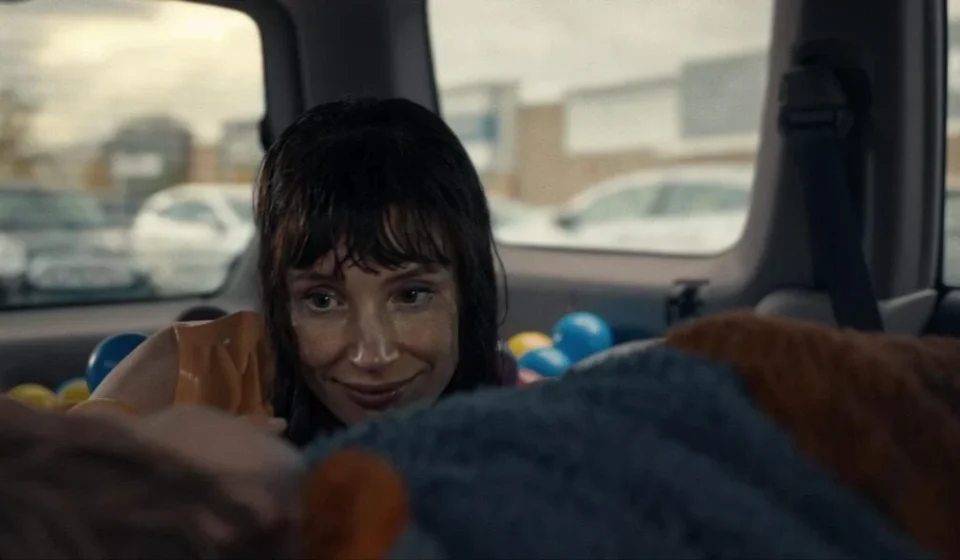

The 2026 theatrical landscape has been nothing short of a bloodbath—in the best way possible. Following a summer dominated by the visceral intensity of Obsession and the holiday-defying shocks of Evil Dead Burn, the industry is proving that the appetite for horror is not merely a seasonal trend but a cornerstone of modern box office dominance. As the sweltering heat of the summer months gives way to the crisp, ominous promise of autumn, the industry is pivoting toward its most sacred time of year: the road to Halloween.
With the "Summer of Horror" drawing to a close, audiences are looking ahead to a robust slate of films that promises to satisfy every niche within the genre. From high-octane sequels to atmospheric psychological thrillers, the final quarter of 2026 is shaping up to be one of the most diverse and ambitious periods for horror cinema in recent memory.
The State of the Genre: Why Horror Rules the Box Office
The success of 2026’s horror slate is not a stroke of luck; it is a calculated response to shifting audience demographics. Data from major distribution hubs indicate that mid-to-high-budget horror films are currently outperforming traditional blockbuster action vehicles in terms of return on investment (ROI).
Industry analysts suggest that the "event-horror" model—where films are positioned as essential viewing experiences—has successfully bridged the gap between the casual theater-goer and the hardcore genre enthusiast. As we transition into the Fall 2026 schedule, studios are leaning heavily into established intellectual properties while simultaneously taking calculated risks on original stories.
A Chronological Breakdown of the Fall 2026 Horror Slate
The release calendar for the remainder of the year is densely packed, providing a steady stream of content for fans. Here is the comprehensive breakdown of the major titles hitting screens:
Late August: The Final Summer Push
- August 21: Insidious: Out of the Further (Wide) – A return to one of the most successful supernatural franchises of the modern era.
- August 28: Colony, The Dog Stars, and Buddy (All Wide) – A triple-threat weekend that suggests a diverse range of sub-genres, from isolationist thrillers to creature features.
September: The Escalation
- September 2: Fall 2: Deadpoint (Wide) – The highly anticipated sequel to the surprise hit, promising even more vertigo-inducing terror.
- September 4: Onslaught (Wide) – A film widely tipped to be the year’s most intense slasher-adjacent experience.
- September 9: Hope (Limited) – A prestige horror offering, likely positioning itself for late-year awards consideration.
- September 11: Practical Magic 2 (Wide) – A nostalgic return to a cult-classic world, blending supernatural fantasy with a darker, more mature edge.
- September 18: Resident Evil (Wide) – A massive tentpole release that aims to reclaim the crown for video game adaptations.
October: The Halloween Harvest
- October 9: Other Mommy (Wide) – Expected to be the psychological centerpiece of the Halloween season.
- October 16: Whalefall (Wide) and The Devils (Re-Release, Limited) – A fascinating pairing of high-concept modern creature horror and the restoration of a controversial classic.
- October 23: Clayface and Wildwood (Both Wide) – Two films closing out the pre-Halloween window, promising dark fantasy and atmospheric chills.
Supporting Data: The Rise of the "Event Horror" Strategy
The decision to push high-profile titles like Resident Evil and Other Mommy into the final months of the year is a strategic move to capitalize on the "Halloween effect." Historically, October has been the domain of the horror genre, but 2026 marks a shift where the "season of scares" is effectively being extended from late August through November.
Market research shows that genre fans are more likely to participate in repeat viewings if the content is high-quality. Studios have responded by elevating production values, attracting A-list talent, and utilizing sophisticated marketing campaigns that lean into social media engagement. The viral nature of horror—the "water cooler" effect of having seen the latest terrifying twist—is driving ticket sales in a way that traditional dramas struggle to replicate.

Official Responses and Industry Sentiment
In a recent industry roundtable, studio executives emphasized that the 2026 slate is a direct result of listening to the "digital conversation." According to a spokesperson for one of the major distributors, "The audience isn’t just watching these movies; they are living them. Whether it’s the intense fandom surrounding the Insidious franchise or the curiosity surrounding new IP like Other Mommy, the engagement is at an all-time high."
Directors and producers involved in the Fall 2026 lineup have also noted a shift in the tone of horror. "We are seeing a move away from pure jump-scare tactics," says a director involved in a September release. "Audiences want atmosphere. They want to be unsettled, not just startled. This year’s slate reflects a more mature, thoughtful approach to the genre."
The Economic and Cultural Implications
The saturation of the market with high-quality horror films carries significant implications for the industry at large.
- The Survival of the Mid-Budget Film: While the superhero blockbuster remains a staple, the "prestige horror" film has effectively saved the mid-budget sector. By keeping budgets lean while maintaining high production values, studios are finding that horror is the most reliable way to turn a profit in an increasingly volatile theatrical environment.
- Cultural Normalization: Horror has shed its reputation as a "low-brow" sub-genre. With films like Hope receiving limited releases and the re-release of classics like The Devils, there is a clear effort to cement horror’s place within the canon of serious cinematic art.
- The Future of Theatrical Windows: The success of this year’s horror slate proves that audiences still value the communal experience of the theater. Unlike comedies or romance, which often thrive on streaming platforms, horror benefits from the collective reaction of a crowded theater—the collective gasp, the shared tension, and the post-movie debrief.
Looking Forward: What to Expect in 2027
As we look at the list of titles for the remainder of 2026, it is clear that the momentum is not slowing down. The industry is already looking toward 2027, with many of the directors behind this year’s biggest hits currently in pre-production on their next projects. The success of the "Summer of Horror" and the upcoming "Fall of Frights" suggests that the industry has found a winning formula.
Whether you are a fan of the supernatural, the visceral, or the psychological, the remainder of 2026 is set to provide an exhaustive menu of nightmares. As the nights grow longer and the air turns colder, the screen will reflect that darkness in kind. Keep your eyes on the release dates, prepare your nerves, and remember: in the theater, no one can hear you scream—unless you want them to.
Summary of Key Releases
| Film Title | Release Date | Release Type |
|---|---|---|
| Insidious: Out of the Further | Aug 21 | Wide |
| Colony | Aug 28 | Wide |
| The Dog Stars | Aug 28 | Wide |
| Buddy | Aug 28 | Wide |
| Fall 2: Deadpoint | Sept 2 | Wide |
| Onslaught | Sept 4 | Wide |
| Hope | Sept 9 | Limited |
| Practical Magic 2 | Sept 11 | Wide |
| Resident Evil | Sept 18 | Wide |
| Other Mommy | Oct 9 | Wide |
| Whalefall | Oct 16 | Wide |
| The Devils (Re-Release) | Oct 16 | Limited |
| Clayface | Oct 23 | Wide |
| Wildwood | Oct 23 | Wide |
As the 2026 calendar draws to a close, it is evident that horror has cemented its status as the most vital and exciting genre in contemporary cinema. The audience’s appetite is ravenous, and the studios are more than happy to feed the beast. Prepare yourself for an autumn that will be remembered for its chills, its thrills, and its absolute commitment to the art of the scare.