The Walken Wisdom: Why Christopher Walken Believes Bugs Bunny is the Ultimate Screen Icon

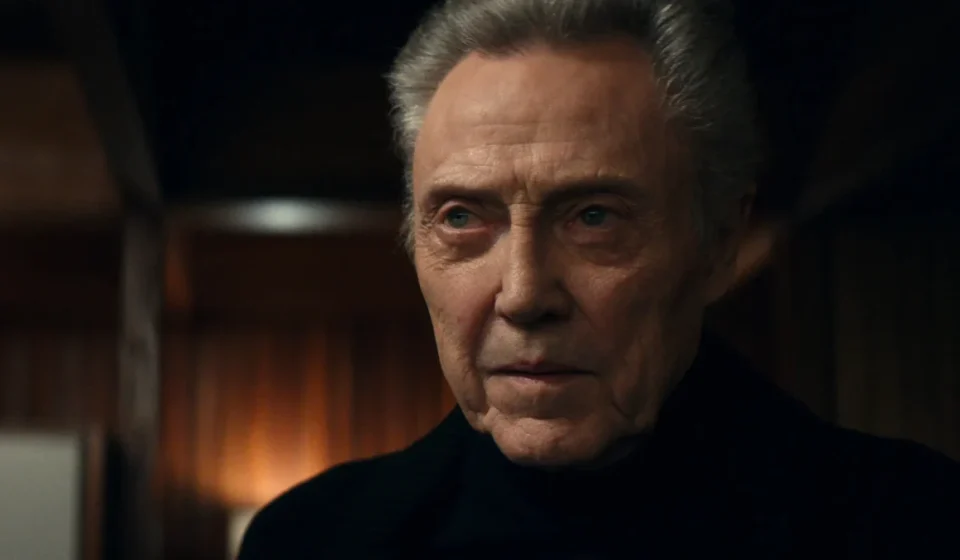
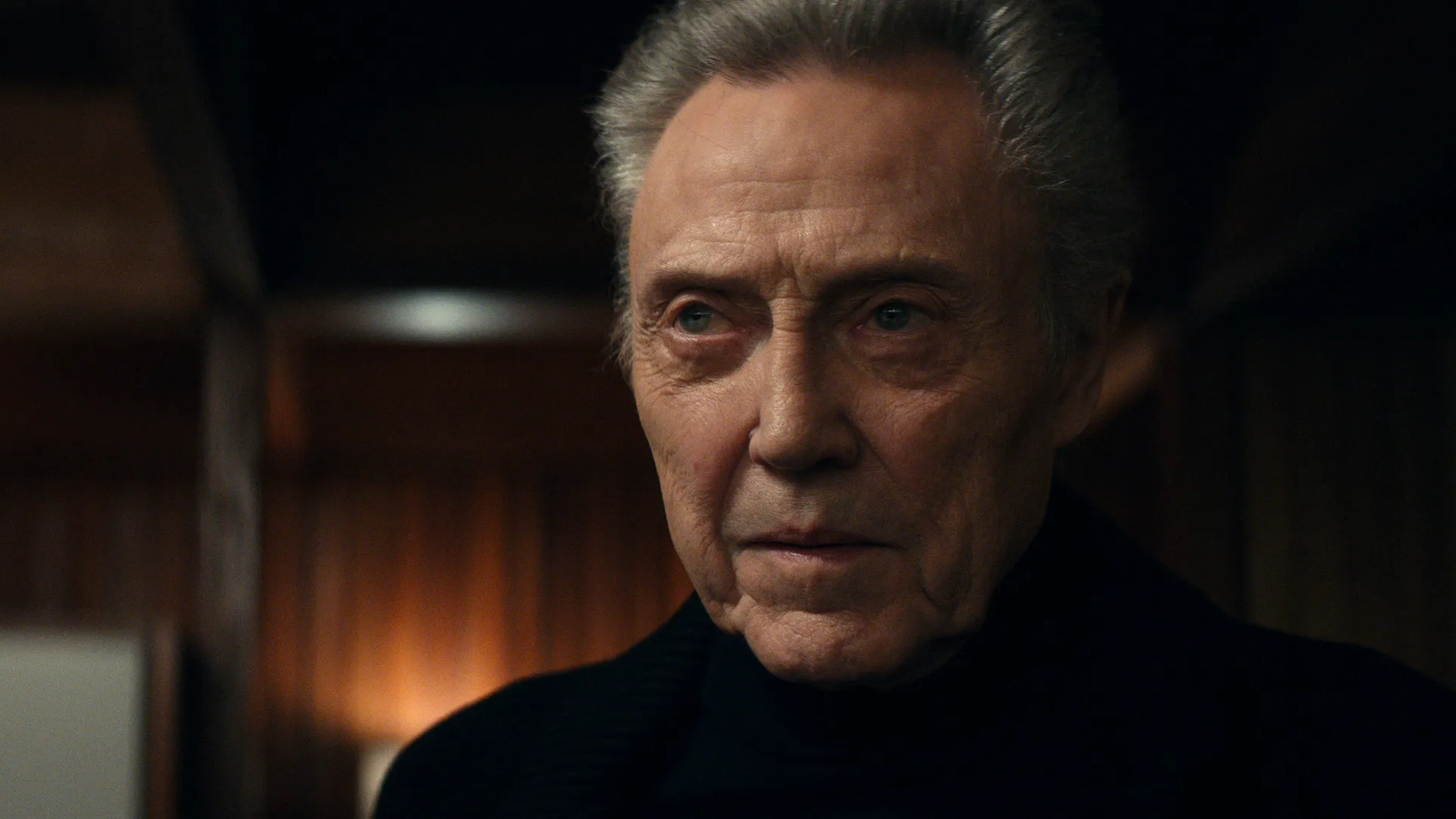
Christopher Walken is more than just an actor; he is an institution. With a career spanning over six decades, the Queens-born performer has carved out a unique space in the cultural consciousness. Whether he is portraying a haunted veteran in The Deer Hunter, a cosmic Emperor in Dune: Part Two, or the tender-hearted Burt in the hit Apple TV+ series Severance, Walken’s presence is unmistakable. Yet, beyond his iconic line deliveries and idiosyncratic cadence lies a man whose personal cinematic hero is perhaps as unexpected as his own filmography: Bugs Bunny.
The Core Philosophy: "You Can’t Fool Bugs Bunny"
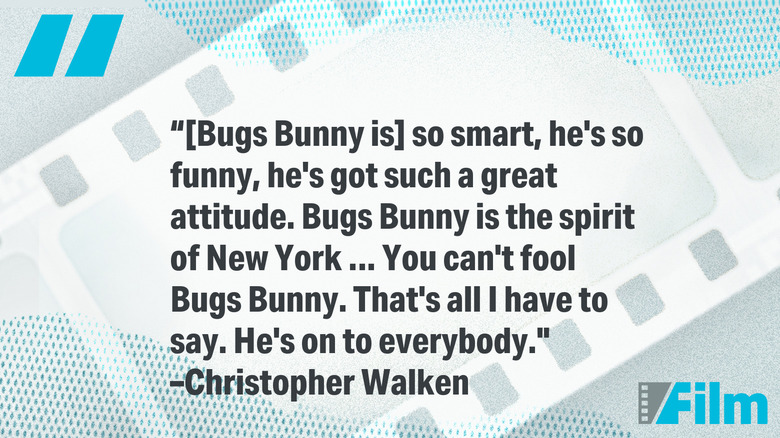
The quote that has captured the internet’s attention—"[Bugs Bunny is] so smart, he’s so funny, he’s got such a great attitude. Bugs Bunny is the spirit of New York … You can’t fool Bugs Bunny. That’s all I have to say. He’s on to everybody"—first appeared in a 2001 Washington Post profile.
At face value, it is a quintessential "Walken-ism"—a statement that is simultaneously hilarious, cryptic, and deeply sincere. However, when analyzed against the backdrop of his career, the sentiment reveals a profound appreciation for the archetype of the "wise guy." Walken sees in the animated rabbit a reflection of the street-smart, unflappable survival instinct that defines the urban experience. To Walken, Bugs Bunny is not merely a cartoon character; he is an actor of the highest caliber, a master of timing, and a figure who possesses the ultimate screen presence: he is never, ever caught off guard.
A Chronology of a Unique Career
To understand why a legend like Walken would gravitate toward the Looney Tunes protagonist, one must look at the trajectory of his own life in show business.
- Early Beginnings (1940s–1960s): Born in 1943, Walken began as a child actor in television. His early training was not just in drama, but in dance. This rhythmic sensibility remains the foundation of his acting style, allowing him to navigate scenes with a physical grace that often masks the intensity of his characters.
- The Breakthrough (1970s): After years of steady work, 1978 marked his meteoric rise with The Deer Hunter. His portrayal of Nick Chevotarevich earned him an Academy Award for Best Supporting Actor, cementing his status as a dramatic powerhouse.
- The "Walken Style" (1980s–2000s): During this period, Walken defied the traditional "leading man" trajectory. Instead, he embraced the role of the character actor-as-star. From his terrifying turn in The Dead Zone to his dance-heavy performance in Fatboy Slim’s "Weapon of Choice" video, he proved that his reach was limitless.
- The Modern Era (2010s–Present): In recent years, Walken has transitioned into a "prestige television" icon. His role in Severance has introduced him to a new generation of viewers, while his turn as the Emperor in Dune: Part Two reminded audiences of his ability to command a frame with nothing more than a whisper.
Supporting Data: The Anatomy of a Legend
The fascination with Walken’s personality is backed by a body of work that is as diverse as it is eccentric. Consider his filmography, which features an incredible range of tones:
- The Villain: Walken has played some of the most memorable antagonists in cinema history, often imbuing them with a sense of "off-kilter" menace that makes them impossible to look away from.
- The Dancer: His background in musical theater and dance remains a secret weapon, providing him with a control over his body that few contemporary actors can match.
- The Improviser: His famous "Gigli" monologue—where he describes a trip to Marie Callender’s—is frequently cited by film scholars as a masterclass in how to elevate a weak script through sheer, unadulterated performance energy.
When he speaks about Bugs Bunny, he is identifying with the "trickster" archetype. The trickster is the character who survives because they are faster, smarter, and more observant than their enemies. In many ways, Walken has played this role throughout his career—the man who is always three steps ahead of the audience, the man who knows the joke before anyone else does.
Official Responses and Industry Context
The sentiment regarding Bugs Bunny is not a one-off comment. During production for Severance, producer Ben Stiller noted that Walken would often discuss the rabbit off-camera, calling him one of the greatest actors of all time. This was echoed in a People magazine interview with co-star John Turturro.
Why would a titan of acting hold a rabbit in such high regard? Industry peers suggest that Walken values the "purity" of performance. Bugs Bunny does not need to rely on complex backstories or heavy prosthetics; he relies on charisma, timing, and a relentless refusal to be intimidated. For an actor who has spent his life navigating the high-pressure environment of Hollywood, the idea of a character who is "on to everybody" serves as a comforting, perhaps even aspirational, philosophy.
The Implications: Why It Matters
What does this tell us about the future of Christopher Walken’s career? First, it suggests a man who is entirely comfortable in his own skin. He is no longer seeking validation from traditional roles; he is interested in what he finds "cool" or "smart."
Secondly, it highlights a generational shift in how we perceive acting icons. We no longer expect our legends to be stoic or overly serious. We appreciate them more when they reveal their quirks—when they admit that, despite having worked with the greatest directors in history, they find more wisdom in a carrot-chomping cartoon than in most prestige dramas.
Conclusion: The Spirit of the Trickster
Christopher Walken’s obsession with Bugs Bunny serves as a perfect metaphor for his own legacy. He has survived the brutal shifts of Hollywood by being the smartest guy in the room. He has maintained his mystery, his wit, and his ability to surprise us.
As we continue to watch him in projects like Severance, we are witnessing a performer who has reached a state of artistic nirvana. He is no longer trying to prove himself; he is simply performing, dancing through his lines with the same casual genius that Bugs Bunny uses to outsmart Elmer Fudd. Whether he is playing a space emperor or a humble office worker, Walken reminds us of the most important lesson in the industry: You can’t fool the audience, and if you’re as smart as Bugs Bunny, you don’t even have to try. You just have to be yourself—idiosyncratic, brilliant, and entirely uncontainable.