From Viral Horror to Hollywood Stardom: Spencer Lackey’s ‘Lust’ Signals a Paradigm Shift in Cinema

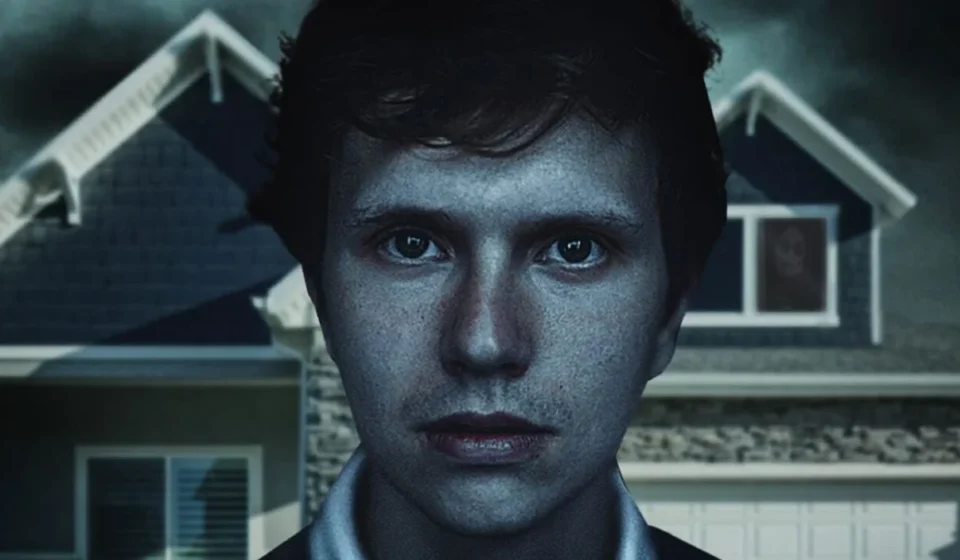
The landscape of modern horror is undergoing a seismic transformation. For decades, the path to directing a major studio feature required a rigorous ascent through film schools, indie festival circuits, and the grueling gauntlet of commercial production. Today, however, the gatekeepers have shifted their gaze toward the algorithm. In a move that cements the ongoing migration of digital native talent into the upper echelons of Tinseltown, Neon has officially announced its collaboration with Blumhouse Atomic Monster and Spooky Pictures to develop Lust, an upcoming feature film written and directed by viral horror auteur Spencer Lackey.
The Convergence of Platforms: Main Facts
The partnership represents more than just a standard development deal; it is a high-profile validation of the "YouTuber-to-Auteur" pipeline. Lust is being positioned as a tentpole project, co-financed by Neon and the recently merged Blumhouse Atomic Monster.
The production muscle behind the film is arguably as significant as the director himself. The project is backed by a powerhouse trifecta: Jason Blum (Blumhouse), James Wan (Atomic Monster), and Steven Schneider (Spooky Pictures). While plot details remain shrouded in the kind of mystery that has become a hallmark of Lackey’s online work, the industry significance cannot be overstated. By securing the creative vision of a digital-first creator, these studios are betting that the specific, high-intensity aesthetic that plays well on mobile screens will translate effectively to the silver screen.
A Chronology of a Digital Ascent
Spencer Lackey’s rise to prominence is not a sudden stroke of luck but the result of years of meticulous digital storytelling. His trajectory serves as a blueprint for modern independent filmmakers who lack traditional studio funding but possess an intimate understanding of modern audience engagement.
- The Early Years: Lackey spent his formative career years mastering the language of short-form horror. His early work focused on the "liminal space" aesthetic—a genre that leans heavily into unsettling, dreamlike environments that feel both familiar and deeply wrong.
- The Breakthrough: Lackey’s profile skyrocketed when he attracted the attention of industry veterans, most notably Mike Flanagan. Flanagan, a titan in modern horror, stepped in to produce Lackey’s short film You Are Here. The film acted as a calling card, demonstrating that Lackey’s ability to build tension in under ten minutes was a transferable skill.
- The Festival Circuit: Throughout the previous year, You Are Here became a fixture on the festival circuit. This provided the necessary "prestige" validation that traditional studio executives look for, proving that Lackey’s work could hold the attention of a captive theater audience.
- The Deal: Following the success of his shorts, Lackey entered negotiations with major players. The announcement of Lust marks the culmination of this transition, moving him from a creator who uploads to a director who helms multi-million dollar studio productions.
Supporting Data: Why Hollywood Wants the "Click"
The industry’s aggressive pursuit of YouTubers like Spencer Lackey is not driven by sentimentality; it is driven by cold, hard data. Hollywood is currently experiencing a "lust" for horror—a genre that consistently outperforms all others in terms of return on investment.
When compared to the traditional development cycle, digital creators offer studios a unique competitive advantage:
- Built-in Analytics: Unlike a traditional writer-director who pitches a script based on theoretical marketability, creators like Lackey arrive with years of audience data. Studios know exactly what kind of imagery, pacing, and tone keeps viewers engaged because the creator has already tested those variables on millions of users.
- Low Barrier to Entry, High Engagement: Lackey’s work typically features a minimalist approach that maximizes psychological dread. This aesthetic—often referred to as "Lo-Fi Horror"—is significantly cheaper to produce than traditional CGI-heavy blockbusters, yet it maintains high engagement levels, creating a lucrative profit margin.
- The "Creator Economy" Factor: A digital creator brings their own brand equity. In an era where traditional marketing is becoming increasingly expensive and less effective, the ability to mobilize a dedicated fanbase of millions—who have already been conditioned to trust the creator’s vision—is an invaluable asset to a studio’s marketing department.
Industry Perspectives: The Official Stance
The shift in sentiment regarding digital talent has been rapid. Just five years ago, the "YouTuber" label was often viewed with skepticism by legacy producers. Today, it is treated as a badge of honor, signifying an innate understanding of contemporary visual literacy.
In an interview with Dread Central last year, Lackey offered a candid assessment of this changing tide: "Industry folks are starting to take digital creators more seriously. Sure, there’s a difference between making a TikTok and making a feature, but a lot of the same creative muscles are being exercised."

His sentiment is mirrored by the producers currently betting on him. By partnering with Jason Blum and James Wan, Lackey is entering a mentorship environment that understands the horror genre better than perhaps any other entity in Hollywood. These producers are not looking to "sanitize" Lackey’s digital style; rather, they are looking to amplify it. The involvement of Atomic Monster—the production house behind The Conjuring and Insidious—suggests that Lust will likely retain the visceral, low-budget ingenuity that made Lackey’s shorts successful, now supported by the polished, high-tension production standards of the studio system.
Implications for the Future of Horror
The selection of Spencer Lackey for such a high-profile project signals a permanent shift in how horror cinema will be developed in the coming decade.
1. The Death of the Gatekeeper
Historically, the "gatekeepers" were studio executives who decided what horror looked like. Now, the gatekeepers are the audiences. By curating their own tastes through digital platforms, viewers are effectively pre-selecting the directors they want to see. Studios are merely following the path of least resistance by signing those who have already proven they can command a crowd.
2. A New Aesthetic Standard
We are seeing the rise of a "Post-Digital" horror aesthetic. Filmmakers like Lackey, Kane Parsons, and Curry Barker are moving away from the "jump-scare" heavy tropes of the 2000s and toward a more atmospheric, existential, and uncanny style. This is a direct result of the visual language of the internet, where creators have learned to manipulate shadows, sound design, and pacing to keep a viewer from scrolling past their video.
3. The Risk of Homogenization
However, critics of this trend argue that there is a risk of losing the "indie" spirit. When a creator is brought into the studio system, their work is inevitably subjected to committee notes, test screenings, and the pressure of a wider commercial release. Whether Lackey can maintain the raw, subversive edge that made his shorts like You Are Here so effective while navigating the complexities of a major studio feature remains to be seen.
4. The "Horror Never Dies" Philosophy
As noted in the industry press, horror is the most bankable genre in the current market. Because it is relatively inexpensive to produce and offers high cultural "virality," it is the perfect sandbox for studios to experiment with new talent. Lust is not just a film; it is a test case. If Lust proves successful, it will open the floodgates for dozens of other digital creators to transition into feature films, forever altering the career trajectory of future horror directors.
Conclusion
The announcement of Lust is a defining moment in the modern cinematic landscape. It marks the formal integration of the digital creator economy into the institutional framework of Hollywood. Spencer Lackey’s journey—from the solitary act of creating short-form horror on a laptop to standing alongside the architects of the modern horror renaissance—is a testament to the power of digital democratization.
As we await further details on Lust, one thing is certain: the industry is no longer looking for the next great film school graduate. They are looking for the next great digital storyteller. In the world of horror, where the medium is constantly evolving, the only thing that matters is the ability to terrify. And if history is any indication, Spencer Lackey is more than ready to provide that terror on a global scale.