
In the modern landscape of intellectual property, the traditional cinematic sequel—a big-budget, two-hour theatrical release—is no longer the sole arbiter of franchise continuity. As audiences fragment across digital platforms and immersive experiences, horror creators are increasingly looking toward "alternative media" to expand their universes. From short-form vertical video series and concept soundtracks to theme park attractions and interactive video games, the definition of a "sequel" is undergoing a radical metamorphosis.
The Modern Experiment: Megan is Missing and the TikTok Frontier
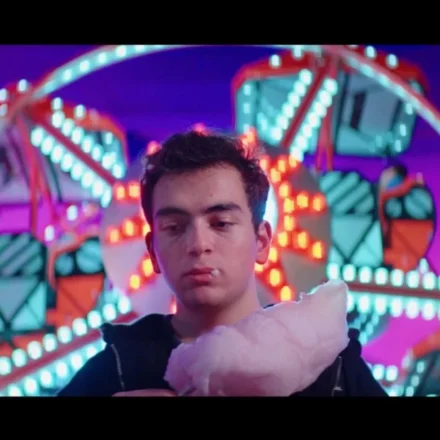
This Halloween, director Michael Goi attempted to tap into the digital zeitgeist with the release of Megan is Missing: Evil Never Dies. A 36-episode short-form vertical video series distributed via Instagram and TikTok, the project serves as a direct follow-up to Goi’s 2011 found-footage cult classic.

The logic behind the project is grounded in data: Megan is Missing experienced a massive, organic resurgence in recent years, fueled entirely by viral TikTok reactions. By choosing to premiere a sequel on the very platform that reinvigorated the brand, Goi sought to meet the audience where they live. However, the result has been largely polarized. Critics argue that Evil Never Dies suffers from a fundamental misunderstanding of the medium. Rather than utilizing the intimacy and immediacy of vertical, short-form storytelling to build tension, the series leans heavily on reenactments of historical serial killers, resulting in a project that feels more like a low-budget cable documentary than a narrative expansion.
The failure of this particular experiment highlights a critical lesson for future transmedia projects: simply placing a traditional narrative into a vertical box is not enough. The medium must dictate the message.

Chronology of Alternative Sequels
The trend of utilizing non-traditional media to extend horror IP is not entirely new, but it has accelerated with the rise of digital consumption.
- 2002: The Thing (Video Game) – A rare instance where a developer worked within the film’s established lore to create a seamless canonical follow-up.
- 2009: Ghostbusters: The Video Game – Written by Dan Aykroyd and Harold Ramis, this game is widely accepted by fans as the "true" third installment of the series.
- 2014: Alien: Isolation – A survival horror masterpiece that expanded the lore of the Alien franchise by focusing on Ellen Ripley’s daughter.
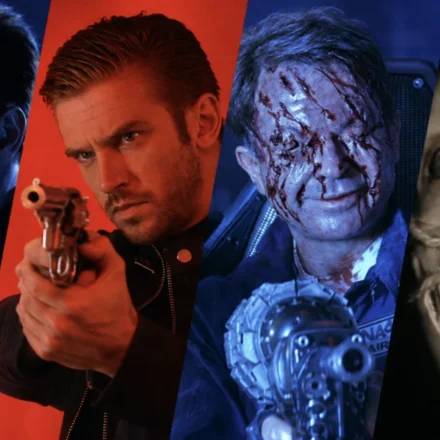
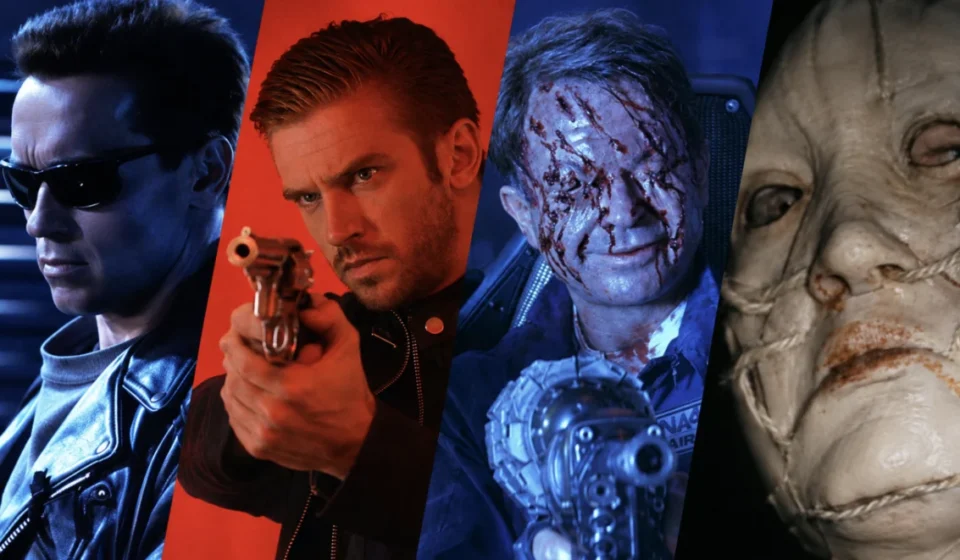
- 2022: The Guest 2 (Original Soundtrack) – Adam Wingard and Steve Moore released a "fictional" soundtrack for a movie that doesn’t exist, effectively telling a story through audio cues.
- 2026: Megan is Missing: Evil Never Dies – An attempt to leverage social media platforms as a distribution hub for narrative sequels.
Supporting Data: Why Alternative Media?
The shift toward alternative media is often born of necessity. Cinematic sequels are expensive, risky, and require immense logistical coordination. By contrast, a comic book series, a soundtrack, or a video game allows creators to explore high-concept ideas without the multi-million dollar overhead of a feature film.

Take, for instance, Adam Wingard’s The Guest 2 (Original Soundtrack). By releasing a 12-track synthwave album on April Fools’ Day, Wingard achieved two things: he maintained the mystery of his cult classic and provided fans with a tangible narrative arc. Titles like "The Guest Returns" and "David vs. The Splinters of the Cross" allow the audience’s imagination to fill in the gaps. This "participatory storytelling" creates a deeper emotional bond with the fanbase than a passive viewing experience might, as it forces the consumer to piece together the plot through track order and mood.
Official Responses and Creator Intent
The creators behind these projects often cite a desire for "creative freedom" that the studio system sometimes stifles. When discussing Event Horizon, fans have long clamored for a sequel or a director’s cut. While the film remained in limbo, IDW Publishing stepped in with the Dark Descent and Inferno comic series. These works did not attempt to rewrite the past; instead, they expanded the cosmic horror mythology of the film, providing a "complete trilogy" experience that honors the original vision without de-mystifying its central terrors.

Similarly, in the realm of interactive media, the Saw video games (2009–2010) provided an opportunity to expand the Jigsaw mythology. By setting these games between the films, developers were able to put players in the position of "complicity"—a core theme of the Saw franchise. When the audience is forced to make the choice to "save" or "sacrifice" a character, the horror becomes personal.
The Immersive Shift: Theme Parks as Storytelling Hubs
Perhaps the most ambitious form of the alternative sequel is the theme park attraction. Universal Studios, in particular, has mastered the art of the "canonical ride." T2-3D: Battle Across Time was not merely a passive simulation; it was a 12-minute expansion of the Terminator universe, featuring direct involvement from James Cameron.

This model requires a high degree of "quality control" to ensure the attraction doesn’t contradict the films. Revenge of the Mummy: The Ride takes this a step further by utilizing a meta-narrative. The ride assumes that the films starring Brendan Fraser and Rachel Weisz are "real" within the park’s universe, and that the curse has followed the production crew. This blurring of reality—where the ride exists as a set piece—allows for a unique brand of immersion that a standard film sequel cannot replicate.
Implications for the Future of Horror
As we look toward the future, the implications for the horror genre are profound. We are moving toward a "franchise-as-ecosystem" model. A movie is no longer the end-all, be-all; it is merely the anchor point.

- Lore Expansion: We will see more "interquels"—stories that take place concurrently with the original film (e.g., Cloverfield/Kishin)—as creators seek to fill gaps in the timeline.
- Transmedia Integration: Future sequels may require a mix of media to understand the full story. For instance, a character introduced in a comic book might become the protagonist of the next theatrical film.
- Audience Agency: Through video games and interactive experiences, the audience will be given more power to shape the outcomes of these horror universes.
However, there is a caveat. The "alternative media" approach only works if the storytelling remains high-quality. The backlash to Megan is Missing: Evil Never Dies proves that audiences are savvy. They do not want "content" for the sake of it; they want meaningful expansions that respect the source material.
Conclusion
The evolution of the horror sequel is a testament to the genre’s resilience. Whether it is through a four-issue comic miniseries that explains Michael Myers’ whereabouts, a Fortnite level that provides closure for Kill Bill, or an immersive roller coaster that brings the Dark Universe to life, the goal remains the same: to keep the audience in a state of perpetual, terrifying engagement.

As technology advances and the lines between reality and fiction continue to blur, the "sequel" will continue to migrate from the silver screen to the devices in our pockets and the parks we visit. Horror, by its nature, thrives on the unexpected—and in this new era of transmedia storytelling, the most terrifying thing a franchise can do is show up where you least expect it.