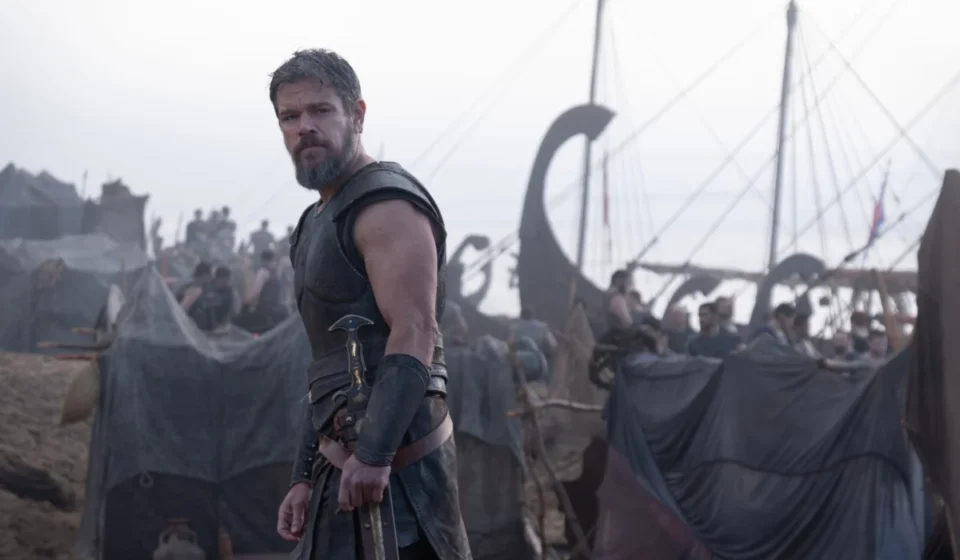

In a cinematic landscape often dominated by sequels, prequels, and established intellectual property, Christopher Nolan has once again proven that the most bankable commodity in Hollywood is not a brand, but a director. With his latest feature, The Odyssey, Nolan has achieved the impossible: turning a 3,000-year-old Greek epic into a contemporary box-office juggernaut. Defying the odds—and the expectations of industry analysts—the film opened to a staggering $124.5 million domestically and a commanding $264.1 million globally.
This monumental debut is more than just a win for Universal Pictures; it is a cultural earthquake. It serves as a stark reminder that when a filmmaker of Nolan’s stature commits to a grand, uncompromising vision, audiences are willing to flock to theaters in record-breaking numbers, even for a story that has been a staple of high school literature syllabi for centuries.
The Chronology of an Epic Launch
The journey of The Odyssey to the silver screen was not a traditional studio rollout. It was a calculated, multi-year campaign designed to build anticipation until it reached a fever pitch.
The strategy began in earnest over a year ago, when Universal and IMAX took the unconventional step of placing tickets on sale 12 months before the film’s release. This move, which initially raised eyebrows among industry insiders, proved to be a masterstroke. It solidified the film’s status as a “must-see event” long before a single review was published.
In December, the campaign intensified when IMAX theaters began screening a six-minute prologue of The Odyssey ahead of other prestige releases like Sinners and One Battle After Another. By allowing audiences to glimpse the sheer scale of the production—shot entirely on IMAX cameras—Nolan and his team created a tactile, sensory hunger for the full experience. When the film finally arrived in theaters this past weekend, it didn’t just meet expectations; it obliterated them. The result is the biggest global debut of Nolan’s storied career, surpassing the $249 million (unadjusted) benchmark set by 2012’s The Dark Knight Rises.
Supporting Data: By the Numbers
To understand the magnitude of this opening, one must look at the cold, hard data. The Odyssey now stands as the third-largest domestic and global opening of the year, trailing only Toy Story 5 and The Super Mario Galaxy Movie. Notably, while those two films are sequels to massive, globally recognized franchises, The Odyssey is a singular, R-rated, three-hour historical drama.
The financial performance was bolstered significantly by the premium format sector. IMAX accounted for $51.8 million of the global total—an astounding 23% of the film’s entire opening weekend revenue. This performance surpasses the debut of Avengers: Endgame in like-for-like markets and is pacing well ahead of the trajectory established by Oppenheimer.
The rarity of the 70mm IMAX format has created a secondary market of extreme demand. With only 41 screens worldwide capable of showing the film in its intended 70mm glory, these locations have been booked solid through August. The intensity of this demand has led to the scheduling of “fringe” showtimes, with theater chains reporting sell-outs for 2 a.m. and 7 a.m. screenings—a testament to the audience’s commitment to witnessing Nolan’s vision as he intended.
The "Nolan Brand" and Industry Perspectives
David A. Gross, publisher of the box office newsletter FranchiseRe, encapsulates the industry’s awe: "This is a Christopher Nolan tour-de-force. Having directed 13 films, Nolan has become a unique and singular talent, with a loyal and enthusiastic following."
The consensus among analysts is that Nolan has transcended the typical boundaries of genre. While other directors are often pigeonholed—James Wan as the horror expert, or Greta Gerwig as the master of contemporary satire—Nolan occupies a space of his own. Whether he is working within the constraints of a comic book franchise, exploring the cerebral depths of sci-fi, or documenting the horrors of war, his name on a poster functions as a quality seal that resonates with both casual moviegoers and hardcore cinephiles.
Shawn Robbins, director of movie analytics at Fandango, notes the inherent risk that The Odyssey faced. "By any right, this three-hour epic would be viewed as a risk if anyone else had done it," Robbins says. "But he’s used his success to cultivate a wide audience. There’s an incredible amount of goodwill for Nolan as a filmmaker."
An All-Audience Appeal
One of the most surprising takeaways from the opening weekend data is the demographic breakdown. While the film was jokingly dubbed the "ultimate dad movie" during its production phase, the actual audience turnout defied such narrow categorizations.
Approximately 50% of the audience members fell into the 18-to-34-year-old bracket. This influx of Gen Z and Millennial viewers suggests that Nolan’s brand of spectacle-heavy, intellectual filmmaking has a gravitational pull that transcends generational divides. This is a stark contrast to other recent releases, such as Steven Spielberg’s Disclosure Day, which skewed heavily toward the 35+ demographic.
The appeal, according to experts, lies in the film’s multi-layered nature. It is simultaneously a high-octane sword-and-sandal adventure, a mythic fantasy, and a reflective character study on the cost of war. By balancing these elements, The Odyssey avoids the "period piece" stigma that often alienates younger audiences, instead offering a visceral, high-stakes cinematic journey.
Official Responses and Operational Challenges
The success of The Odyssey has put significant strain on theater infrastructure. Universal’s president of domestic distribution, Jim Orr, has been vocal about the logistical hurdles posed by the film’s success.
"We have showtimes in certain formats that are sold out for next weekend, the weekend after, and even mid-week," Orr notes. The studio, which invested a reported $250 million in production costs, is clearly seeing the dividends of its gamble. Regarding the fans who have opted for the early-morning screenings just to secure a seat in a 70mm auditorium, Orr strikes a tone of humble gratitude: "We thank them for their patronage and hope they drive home safely."
Richard Gelfond, CEO of IMAX, echoed these sentiments, emphasizing that the film’s success is a vindication of the "big screen" experience. "If you don’t see The Odyssey in IMAX, you aren’t seeing it in the way that Chris Nolan intended," Gelfond stated.
Implications for the Future of Hollywood
The implications of The Odyssey‘s opening are profound. For years, the conventional wisdom in Hollywood has suggested that the only way to guarantee a massive opening weekend was to rely on established IP or familiar sequels. Nolan has effectively shattered this narrative.
Studios are now faced with a new paradigm: high-budget, auteur-driven cinema is not only viable but potentially more profitable than formulaic franchise entries. If a 3,000-year-old Greek poem can generate $264 million in three days, the definition of what constitutes "commercial" material has fundamentally shifted.
Furthermore, the success of the film highlights the growing importance of the theatrical "event." In an age where streaming services provide instant access to content, Nolan has successfully re-instilled the value of the theater as a destination. By utilizing premium formats like IMAX 70mm as a scarcity-driven marketing tool, he has turned the act of going to the movies into a prestigious, shared cultural ritual.
As The Odyssey continues its run, it is poised to remain a dominant force at the box office. With stellar reviews—a 95% rating on Rotten Tomatoes—and an "A" CinemaScore, the film is backed by the kind of word-of-mouth that ensures long-term legs.
In the final analysis, The Odyssey serves as a powerful reminder of the enduring relationship between the filmmaker and the audience. When a director respects the intelligence of their viewers and pushes the boundaries of technology to create something genuinely new, the audience will respond. As the film’s grand voyage continues, it has already secured its place in the history books—not just as a box-office titan, but as a defining moment in the modern history of cinema.