Unveiling the Shadows: The Musical Architecture of Netflix’s ‘The East Palace’

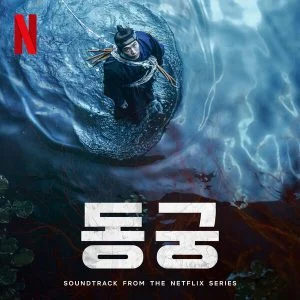
The release of a major original soundtrack is often a bellwether for the prestige and ambition behind a new television series. With the global premiere of the South Korean fantasy-horror limited series The East Palace on Netflix today, YG PLUS and Netflix Music have unveiled a sprawling, atmospheric companion album that promises to be as haunting as the narrative it supports. Featuring a diverse roster of composers—including industry veterans Kim Jun-seok and Jung Se-rin—the soundtrack is a sonic exploration of the supernatural, the regal, and the deeply buried secrets of a cursed dynasty.
The Narrative Foundation: A Journey into the Abyss
The East Palace arrives with significant anticipation, helmed by creators Choi Jung-kyu, Kwon So-ra, and Seo Jea-won. The series blends the aesthetic grandeur of period drama with the visceral tension of contemporary horror. The story centers on an unlikely duo: Gu-cheon, a man possessing the rare and unsettling ability to traverse the ethereal world of ghosts, and Saeng-gang, a court lady who guards a secret that could dismantle the monarchy itself.
Summoned by the King to investigate the inexplicable occurrences plaguing the royal residence, the two must navigate a landscape where political ambition and ancient malevolence are indistinguishable. The star-studded ensemble cast, featuring Nam Joo-hyuk, Roh Yoon-seo, Cho Seung-woo, and Kwak Dong-yeon, brings a gravitas to the material that is perfectly mirrored by the soundtrack’s ambitious musical score.
A Masterclass in Collaborative Composition
The production of the The East Palace soundtrack was a collaborative endeavor, bringing together a "who’s who" of South Korean film and television music composition. Led by the seasoned duo of Kim Jun-seok and Jung Se-rin, the project also incorporates the talents of Byun Sang-hoo, Juin-ro, Shin You Jin, Lee Yun Ji, Kim Taejin, Hong Eun Ji, Bonchoon Koo, Kim Jeong Wan, and Kang Min-gu.
This multi-composer approach is indicative of the show’s shifting tonal demands. The series requires music that can transition seamlessly from the subtle, courtly intrigue of palace life to the high-stakes, terrifying encounters with the supernatural. By delegating specific thematic threads to different composers, the production team has created a soundscape that feels both unified in its vision and expansive in its emotional range.
Chronology of the Score: A Track-by-Track Breakdown
The soundtrack is an exhaustive collection of 47 tracks, charting the progression of the series from its initial mystery to its climactic revelations.
The Initial Descent (Tracks 1–10)
The album opens with "Inevitable Cooperation" by Kim Jun-seok, a track that sets the tone for the forced alliance between the protagonists. Tracks like "What Lies Beneath the East Palace" and "The Burden of the Throne" by Jung Se-rin establish the gravity of the setting, utilizing low-frequency orchestral swells to evoke the weight of history and impending doom.
The Supernatural Conflict (Tracks 11–25)
As the series moves into the realm of the paranormal, the music follows suit. "Ghost Busting" by Kim Jun-seok and "Wraith of the Abyss" by Kim Taejin introduce sharper, more discordant elements. These tracks are designed to unsettle, utilizing percussive textures that suggest the ticking clock of the protagonists’ investigation.
The Climax and Revelation (Tracks 26–47)
The latter half of the album—including "The Final Unveiling," "Shredded Fury," and "Grotesque Nightmare"—represents the emotional and narrative apex of the series. Here, the composers lean into operatic tragedy and high-tension horror, utilizing choral arrangements and brass-heavy crescendos to emphasize the stakes of the characters’ final stand.
Supporting Data: The Technical Scope of the Project
The sheer volume of music produced for The East Palace suggests a level of post-production investment rarely seen in limited series. With 47 tracks totaling several hours of original music, the score serves as a secondary narrator.
Compositional Distribution:
- Jung Se-rin: Primary architect of the atmospheric and emotional core (11 tracks).
- Kim Jun-seok: Specialist in the rhythmic, driving tension (5 tracks).
- Byun Sang-hoo: Focus on the darker, more aggressive tonal shifts (5 tracks).
- Supporting Composers (Shin You Jin, Hong Eun Ji, etc.): Provide the essential bridge between the major themes, ensuring the score remains cohesive across 47 individual movements.
The production of this soundtrack involved orchestrations that range from minimalist solo instrumentation—highlighting the intimacy of secret conversations—to full-scale symphonic movements that underscore the grandeur of the Joseon-era architecture.
Official Responses and Industry Reception
While the series has only just hit the Netflix streaming platform, initial industry reactions to the score have been overwhelmingly positive. Music supervisors have praised the decision to release the soundtrack simultaneously with the series premiere, allowing fans to immerse themselves in the "sonic world" of the show immediately.
"The goal was never just to provide background music," noted a representative from the production team. "We wanted the viewers to feel the cold air of the East Palace, to hear the whispers of the ghosts, and to feel the crushing weight of the secrets our characters carry. The composers have done an incredible job of creating a character out of the music itself."
Implications: The Evolution of K-Drama Soundtracks
The release of The East Palace soundtrack marks a significant point in the evolution of South Korean media production. As global platforms like Netflix continue to invest heavily in local content, the expectations for production quality—including the musical score—have skyrocketed.
Gone are the days when a soundtrack served merely as a background mood-setter. In the era of The East Palace, the score is an essential marketing and narrative tool. By providing a high-fidelity, expansive musical experience, the producers are catering to an audience that values total immersion. This approach not only enhances the viewing experience but also extends the shelf-life of the series, as fans engage with the music on streaming platforms long after they have finished the final episode.
Furthermore, the collaborative nature of the project sets a new precedent for the K-drama industry. By pooling the talent of nearly a dozen high-profile composers, the production was able to maintain a high level of creative energy throughout the series’ run. It suggests a future where high-budget television series are scored with the same rigor and complexity as major Hollywood feature films.
Conclusion: A Sonic Legacy
The East Palace is more than just a fantasy-horror series; it is a complex tapestry of sound and story. The soundtrack, now available on all major digital platforms, serves as the perfect entry point for those wishing to understand the darker, more atmospheric corners of the show’s narrative.
Whether one is listening to the haunting melodies of "Requiem of the River" or the pulse-pounding intensity of "Ghost Busting," the music of The East Palace offers a profound glimpse into the creative brilliance currently defining the South Korean entertainment landscape. As the series begins its run on Netflix, the music will undoubtedly play a pivotal role in cementing the show’s legacy as a masterpiece of supernatural suspense.
Fans are encouraged to stream the full 47-track collection to experience the complete journey, from the first fracture of the palace walls to the final, chilling unveiling of its deepest secrets. The ghosts of the East Palace may be silent on screen, but through this masterful score, their story rings out with haunting clarity.