From Slasher to Softie: Art the Clown Invades Retail Shelves in New Kidrobot Collaboration

The landscape of modern horror has been permanently altered by the silent, sadistic menace known as Art the Clown. Since his introduction, the primary antagonist of the Terrifier franchise has transcended the boundaries of indie cinema to become a bona fide cultural icon. In a move that highlights the character’s meteoric rise to mainstream prominence, the premium collectible brand Kidrobot has announced a whimsical, albeit jarring, collaboration: a new line of Terrifier plush figures.
This unexpected intersection of high-octane gore and soft-goods merchandising is slated to hit Target shelves and the retailer’s digital storefront later this month, marking a significant milestone in the commercialization of the Terrifier brand.
Main Facts: The Cuddly Nightmare Arrives
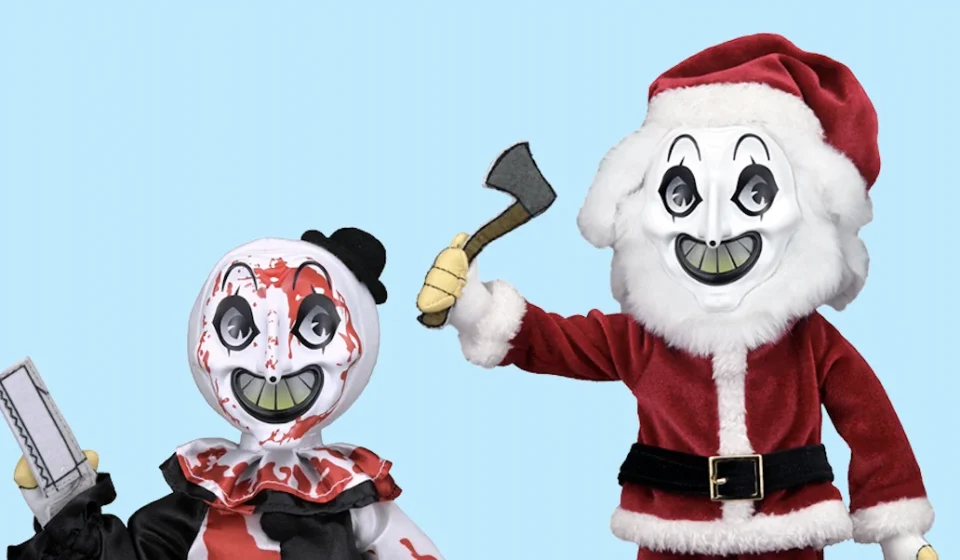
Kidrobot, a company long celebrated for its high-end designer toys and pop-culture-infused collectibles, has unveiled two distinct plush iterations of Art the Clown. These figures represent a stark juxtaposition between the character’s depraved cinematic history and his new, stylized physical form.
The first figure captures the quintessential look of Art, featuring his trademark black-and-white clown aesthetic, albeit rendered in soft, huggable materials. The second offering taps into the franchise’s seasonal flair, presenting a "Santa Art" version of the killer. This festive iteration is clearly positioned to capture the holiday market, proving that even a slasher who thrives on chaos can be repurposed for a mantlepiece during the winter season.
Despite the character’s tendency to wield chainsaws, axes, and various blunt instruments in the films, these plush versions have been designed to be distinctly non-threatening. They are scheduled to be part of a broader, curated wave of horror-themed collectibles arriving at Target locations nationwide, further solidifying the trend of "horror-lite" products reaching mass-market retail outlets.
A Chronology of Chaos: How Art Conquered Pop Culture
To understand why a major retailer like Target is carrying plush dolls of a character defined by extreme violence, one must look at the trajectory of the Terrifier franchise.
- 2008 – 2013: Art the Clown makes his initial appearances in Damien Leone’s short films, The 9th Circle and Terrifier. At this stage, he was an underground curiosity, known only to the most dedicated circles of horror fandom.
- 2016: The release of the feature-length Terrifier film introduced audiences to a more polished, menacing version of the character. The film’s success was fueled by word-of-mouth and the sheer audacity of its practical effects.
- 2022: Terrifier 2 became an unprecedented phenomenon. Produced on a shoestring budget, it defied conventional box office logic, earning millions and creating a genuine cultural buzz that forced mainstream media to acknowledge the franchise’s power.
- 2024 – 2026: As the franchise expanded, the character moved from "cult favorite" to "mascot." This period saw the proliferation of licensed apparel, high-end statues, and now, the Kidrobot plush line, signaling a full transition into mainstream intellectual property (IP).
Supporting Data: The Economics of Horror Collectibles
The partnership between Kidrobot and Target is not merely a creative decision; it is a calculated business move supported by current market trends. The "Horror Collectible" sector has seen a double-digit compound annual growth rate over the last five years.

Data from consumer research firms suggest that horror fans represent one of the most loyal and high-spending demographics in the entertainment industry. Unlike casual moviegoers, horror enthusiasts frequently invest in "physical media and manifestations"—posters, figures, and wearable merchandise—to signal their identity and community belonging.
By placing Art the Clown in Target, Kidrobot is capitalizing on the "accessible horror" movement. While the films remain strictly for mature audiences, the merchandise allows fans to engage with the aesthetic of the franchise without the visceral intensity of the source material. Retailers have noted that horror-themed toys are no longer limited to the month of October; they have become year-round sellers, with "Santa Art" perfectly embodying the year-round viability of the brand.
Official Responses and Creative Vision
While representatives for Kidrobot have kept specific sales targets private, the design philosophy behind the figures is clear. In a recent statement, the design team emphasized the "irony" of the character.
"The goal was never to sanitize Art the Clown, but to interpret his iconic silhouette through the lens of Kidrobot’s signature aesthetic," a spokesperson stated. "There is a compelling humor in taking a character that evokes such intense fear and rendering him in a medium that is meant to provide comfort. It’s an evolution of the ‘horror-as-art’ movement that we are seeing across the collectibles space."
Damien Leone, the creator of the Terrifier franchise, has previously spoken about the evolution of Art as a "silent mascot." His silence, which mirrors the classic era of pantomime and physical comedy, makes him uniquely suited for a toy form. Unlike slashers who rely on dialogue or supernatural tropes, Art’s visual identity is entirely contained within his costume and his expressions, making him an ideal candidate for character-based merchandising.
Implications: The Mainstreaming of the Macabre
The arrival of these plushes at Target signifies more than just a new product launch; it signals the "Disneyfication" of the modern slasher. When a character as inherently disturbing as Art the Clown is sold alongside generic toys in a big-box store, the boundaries between the taboo and the commercial are effectively erased.
1. The Normalization of Horror
This move suggests that horror has officially moved from the periphery of pop culture to the center. Major retailers no longer view horror-themed products as "niche" items relegated to specialty shops. This validation by national retailers will likely encourage other horror franchises to pursue similar licensing deals.

2. The Power of "Cute-Gore"
The success of the "cute-gore" trend—where horrific imagery is paired with adorable, chibified, or soft-textured designs—speaks to a younger demographic’s desire to "own" their fears. By making a character like Art huggable, the consumer effectively strips the character of his power to terrify, transforming the nightmare into a manageable, tactile item.
3. Future Market Expansion
The collaboration serves as a test case for future Terrifier merchandise. If the Kidrobot plushes move units as expected, we can likely anticipate a surge in Terrifier products, potentially including board games, apparel, and a wider variety of home goods. This creates a feedback loop where the merchandise reinforces the brand’s visibility, which in turn drives interest in future film sequels.
Conclusion: A Must-Have for the Collection
For collectors, the new Kidrobot Terrifier plushes are an essential addition to any horror shelf. They represent a unique moment in cinema history where an indie slasher became a global brand.
As fans prepare for the upcoming release at Target, the debate will likely continue regarding whether such merchandising dilutes the character’s impact. However, for those who have followed Art the Clown from his humble origins in low-budget shorts to the top of the box office, these figures are a badge of honor. Whether you choose the blood-soaked classic version or the festive Santa variant, one thing is certain: Art the Clown has officially arrived, and he is here to stay.
Keep a close eye on Target’s website and local inventory throughout the remainder of the month. Given the fervor surrounding the Terrifier brand, these plush figures are expected to sell out rapidly. Secure your piece of horror history before they disappear—perhaps into a dark corner, or perhaps just into your own collection.